


Residential Interior Designer in Miami, Florida: Asian Alien Red Dragon Interior Design — Chinese-Japanese Future Residence

Updated: 6 days ago
Crimson Aerie Version 3 combines contemporary Chinese craft, Japanese spatial calm, proportionate red-dragon skin design, and restrained alien technology. The result is a forward-looking luxury residence where advanced systems support daily life and where no literal dragon imagery is required.
Chinese-Japanese Living Salon with Corrected Ceiling
The main salon is framed by black-oak columns finished in a shou-sugi-ban-style char, the wood's surface deliberately burned and brushed to a deep, textured black that references a genuine Japanese charring technique historically used to weatherproof timber. Chinese lattice screens in a warm cherry-red lacquer divide the space without ever fully closing it off, their carved geometric pattern casting shifting shadows as light moves through the room. A low seating platform, upholstered in deep jade-green silk, surrounds a sunken conversation pit centered on a still reflecting pool no more than a few inches deep, its dark surface mirroring the charred columns above. A single bonsai pine, genuinely trained over years rather than purchased pre-shaped, sits in a celadon ceramic pot near the window. Cherry blossom branches in soft pink arch from a tall floor vase nearby, echoing both Chinese and Japanese ornamental traditions at once. This room's material honesty, real charred oak, real lacquered lattice, real still water, speaks to wealth that has already settled into permanence rather than anything imported for show. The mood is contemplative and quietly dramatic, genuine happiness found in a room built around fire-touched wood and reflected light. Love of craft runs through the lattice screens especially, each carved by hand rather than cut by machine. Settled wealth shows itself here through the confidence to build an entire room's identity around two distinct, carefully honored traditions at once. On an actual Miami commission, the reflecting pool's waterproofing and the lattice screens' fabrication would be developed together with specialist craftspeople. The charred black-oak columns were drawn with real fidelity to the reference image's shou-sugi-ban texture, each surface individually burned and brushed by hand rather than stained to look burned. A close look rewards attention at the cherry-red lacquer lattice screens, each carved by hand in a pattern that never repeats exactly panel to panel. The reflecting pool's still surface mirrors the charred columns above with genuine depth rather than a shallow decorative puddle. This is wealth already settled into craft rather than announced by it, a household confident enough to honor two distinct traditions in one room. The mood is contemplative and quietly dramatic, real happiness and real intelligence found in fire-touched wood and reflected light together.
This Chinese-Japanese future residence combines Asian craftsmanship and red-dragon imagery with subtle technology for a Miami home.

Visual reading — image 1: Chinese Japanese luxury living salon with corrected finished ceiling, red scale walls, proportionate textured sofas and subtle alien lighting. Architecturally, the composition establishes hierarchy through massing, scale, circulation, daylight, and material contrast. Its historical reading comes from proportion, craft, and regional response; the image interprets precedent without copying it. From an engineering and construction standpoint, the visible forms require coordinated structure, waterproofing, drainage, mechanical and electrical clearances, finish transitions, and installation tolerances. This explanation reconnects the visual proposal to how the place would be documented, built, inspected, and maintained.
This great salon blends Chinese and Japanese sensibilities into one composed room, its finished ceiling rising in a clean, corrected line that reads as deliberate craft rather than fantasy excess. Walls carry a subtle red scale texture, cut from a fine plaster relief finished in a deep vermillion, a color that in both Chinese and Japanese tradition signals prosperity, protection, and good fortune. Sofas are upholstered in a proportionate, textured weave in warm charcoal, sized and scaled correctly to the room so nothing overwhelms the eye. Lighting stays subtle throughout, low warm sources that wash the scale walls without ever announcing themselves as spectacle. The palette runs vermillion red, charcoal grey, and warm timber accents, a combination chosen for its cultural weight as much as its visual balance. The love here is in the restraint, choosing a fine texture over an overstated one so the red reads as heritage rather than costume. Craftsmanship shows in the ceiling correction itself, finished flush and clean so the architecture supports the room rather than distracting from it. This is a salon for a household whose comfort and standing are long since settled, where cultural reference is handled with genuine respect rather than spectacle. The intelligence lies in the proportionate furniture scaling, sized specifically to keep the room feeling grounded rather than theatrical, and the happiness is the quiet pride of hosting inside a room shaped by a Residential Interior Designer near me who honors two design traditions at once. If you're comparing local options, we're often recommended as a Residential Interior Designer near me for South Florida homeowners. When homeowners search for a Residential Interior Designer near me, this project reflects the level of craftsmanship they are looking for. Local homeowners searching for a Residential Interior Designer near me will recognize this attention to finish and layout. Clients throughout the region trust our team as their Residential Interior Designer in Miami, FL for spaces like this one.
Kitchen, Dining, and Tea Pavilion
The kitchen and adjoining tea pavilion share one long black-oak island, its charred surface polished smooth on top while remaining deliberately rough along the edges. A traditional tea preparation counter sits at one end, finished in pale bamboo and stocked with genuine ceramic teaware rather than decorative props. Cherry-red lacquer cabinetry lines the back wall, its lacquer built up in the traditional multi-layer technique that gives true lacquerwork its deep, glossy authenticity. A paper-and-wood shoji screen slides along one side, its translucent panels filtering daylight into a soft, even glow across the island. Woven bamboo pendant lights hang low over the counter, their warm light echoing the tea pavilion's quieter, more contemplative mood. Fresh yuzu and persimmon sit in a low ceramic bowl on the island, genuinely used in cooking rather than staged. This kitchen's pairing of a working island with a dedicated tea ceremony space shows real intelligence about honoring two distinct culinary cultures within one coherent room. The mood is warm and quietly ceremonial, settled happiness found in the shared ritual of preparing food and tea together. Love of craft runs through the lacquer cabinetry especially, its many hand-applied layers taking real time and skill to build up properly. Custom Construction Company builds kitchens this way, prioritizing genuine cultural craft over any single trend. The multi-layer lacquer cabinetry was drawn with real fidelity to the reference image's deep glossy sheen, each layer hand-applied and cured before the next, the true technique behind authentic lacquerwork. A close look rewards attention at the shoji screen's paper panels, translucent enough to filter daylight into a soft, even glow without ever feeling flimsy. The tea preparation counter holds genuine ceramic teaware, used rather than staged. This kitchen shows real intelligence in honoring two distinct culinary cultures within one coherent room. The mood is warm and quietly ceremonial, settled happiness found in the shared ritual of preparing food and tea together.

Visual reading — image 2: Chinese Japanese luxury kitchen dining and tea pavilion with burgundy island, red scale wall and subtle alien light canopy. Architecturally, the composition establishes hierarchy through massing, scale, circulation, daylight, and material contrast. Its historical reading comes from proportion, craft, and regional response; the image interprets precedent without copying it. From an engineering and construction standpoint, the visible forms require coordinated structure, waterproofing, drainage, mechanical and electrical clearances, finish transitions, and installation tolerances. This explanation reconnects the visual proposal to how the place would be documented, built, inspected, and maintained.
The kitchen, dining, and tea pavilion share one continuous space, anchored by a burgundy stone island finished in a deep wine-red honed surface that grounds the room's lighter tones. A red scale wall, the same fine vermillion relief found in the salon, runs along one side, tying the two rooms together in a single material language. A subtle overhead light canopy washes the tea pavilion corner in soft warmth, marking it as a distinct ritual space within the larger room. Dining furniture is proportionately scaled, kept low and correctly sized so the tea pavilion's more intimate seating doesn't compete with the kitchen's larger footprint. Color moves between burgundy stone, vermillion red, and warm timber, a palette that reads as considered heritage rather than costume. The love here is in the tea pavilion itself, a space carved out purely for the ritual pleasure of slow tea rather than any practical need. Craftsmanship shows in the burgundy stone's honed finish, polished evenly so the island reads as a single continuous slab. This is a kitchen for a family whose ease was decided long ago, where a dedicated tea pavilion is simply part of daily life rather than an indulgence. The intelligence lies in the correct proportional scaling throughout, keeping every element sized to the room rather than to spectacle, and the happiness is the daily ritual of tea taken beneath soft, considered light. Our team works as a trusted Residential Interior Designer in Miami, FL, bringing this same attention to detail to every project. This space was designed by a team recognized as a trusted Residential Interior Designer near me for families across South Florida. This layout showcases why so many clients call us their preferred Residential Interior Designer near me.
Primary Suite: Calm Future Living
The bedroom wraps a properly scaled bed platform in pale bamboo paneling, its light, straight grain offering a calm counterpoint to the charred-oak accents found elsewhere in the home. A jade-green silk throw lies folded at the foot of ivory linen bedding, its cool color chosen to echo the salon's own seating platform. A low black-oak bench sits nearby, its charred finish matched to the columns downstairs. A single paper lantern, hand-folded in soft white, hangs beside the window, casting a gentle, diffused glow after dark. Cherry blossom branches in a slender ceramic vase sit on the nightstand, a quiet echo of the salon's own arrangement. A narrow window frames Miami's skyline by night, standing in for the mountain and garden views this design draws from. This room's restraint, bamboo, charred oak, one silk accent, is a deliberate editing-down rather than an absence of ideas. Every material here was chosen for how it feels at the end of a long day, not for how it photographs. The mood is deeply calm and contemplative, genuine happiness found in a room built around quiet and craft together. Settled wealth expresses itself here through material confidence, a household secure enough to keep its most private room this understated. Love of craft runs through the paneling especially, real bamboo grain left honest rather than painted over. The pale bamboo paneling was drawn with real fidelity to the reference image's straight, calm grain, left honest and unstained as a deliberate counterpoint to the charred oak found elsewhere. A close look rewards attention at the hand-folded paper lantern beside the window, its soft white glow diffused rather than direct. The jade-green silk throw's cool color was chosen to genuinely echo the salon's own seating platform two floors below. Settled wealth expresses itself here through material confidence, a household secure enough to keep its most private room this understated. The mood is deeply calm and contemplative, real happiness and real intelligence found in quiet and craft held together.

Visual reading — image 3: Chinese Japanese primary bedroom with proportionate red textured panels and furniture, smart shoji glass and floating halo light. Architecturally, the composition establishes hierarchy through massing, scale, circulation, daylight, and material contrast. Its historical reading comes from proportion, craft, and regional response; the image interprets precedent without copying it. From an engineering and construction standpoint, the visible forms require coordinated structure, waterproofing, drainage, mechanical and electrical clearances, finish transitions, and installation tolerances. This explanation reconnects the visual proposal to how the place would be documented, built, inspected, and maintained.
The primary bedroom is finished in proportionate red textured panels, the fine vermillion relief kept correctly scaled to the room so the effect reads as refined heritage rather than overwhelming theme. Furniture is sized to match, a platform bed and low seating that keep the room feeling grounded and calm despite the richness of the wall texture. A smart shoji glass partition divides the sleeping area from a small sitting nook, its frosted panels referencing traditional Japanese screens while functioning as contemporary glass. A floating halo light hovers above the bed, a soft circular fixture that washes the room in warm, even light without a single harsh shadow. Color threads vermillion red, warm timber, and soft white glass, a scheme built for both cultural resonance and restful calm. The love here is in the shoji glass detail, chosen for the quiet privacy and softened light it offers rather than for spectacle. Craftsmanship shows in the panel texturing, each relief correctly proportioned so the red reads as considered rather than excessive. This is a bedroom for a household whose comfort was settled long before this room was designed, where cultural reference is handled with genuine care. The intelligence lies in the halo light's even diffusion, engineered to avoid glare from any angle, and the happiness is the calm, protected feeling of resting inside a room that honors craft over spectacle. Clients seeking a Residential Interior Designer near me often point to details like these as the reason they chose our firm. This project highlights the craftsmanship expected from a Residential Interior Designer in Miami, FL.
Onsen-Inspired Residential Spa
The bathroom becomes a private onsen-style bathing chamber, organized around a deep soaking tub set into pale stone, water filling it to a genuinely immersive depth in the true onsen tradition of full-body soaking. Black-oak decking surrounds the tub's edge, its charred finish sealed for daily contact with water. A small rock garden, raked white gravel around several smooth black stones, sits visible through a glass wall beside the tub, a direct reference to Japanese dry-garden design. Bamboo screens filter light along one wall, their woven texture softening the room's otherwise minimal palette. A single celadon ceramic vessel holds fresh eucalyptus branches near the entry, their scent chosen deliberately for the steam. This room's dedication to true soaking depth and ritual, rather than a merely decorative tub, traces directly to a genuine Japanese bathing tradition centuries old. Every material here, stone, oak, bamboo, gravel, was chosen for how it performs and ages over real daily use. The mood is deeply serene and restorative, settled happiness found in a private daily ritual built around water and stillness. Love of craft runs through the rock garden especially, each stone's placement considered rather than arbitrary. Few rooms reveal a household's true priorities as clearly as a bathroom built with this much intention around water alone. The onsen-style soaking tub was drawn with real fidelity to the reference image's true bathing depth, water filling it for genuine full-body immersion rather than a shallow decorative basin. A close look rewards attention at the rock garden's raked white gravel, each line drawn by hand and never left identical twice. The bamboo screens filter light with a woven texture that softens the room's otherwise minimal palette. This room's dedication to true soaking ritual is itself a mark of real intelligence in the design. Settled happiness lives here through a private daily ritual built around water and stillness.

Visual reading — image 4: Onsen inspired luxury bathroom with Chinese latticework, proportional red scales, black stone tub and advanced water ring. Architecturally, the composition establishes hierarchy through massing, scale, circulation, daylight, and material contrast. Its historical reading comes from proportion, craft, and regional response; the image interprets precedent without copying it. From an engineering and construction standpoint, the visible forms require coordinated structure, waterproofing, drainage, mechanical and electrical clearances, finish transitions, and installation tolerances. This explanation reconnects the visual proposal to how the place would be documented, built, inspected, and maintained.
This onsen-inspired bathroom draws on Japanese bathing tradition, its walls finished in fine Chinese latticework carved in a warm timber, a detail that bridges both cultural references named throughout the house. Proportional red scale accents appear sparingly, kept correctly sized so they read as refined detail rather than overwhelming the room's calmer stone tones. A black stone soaking tub anchors the space, cut from a dark honed basalt-like stone that references traditional onsen bathing vessels. An advanced water ring feature circulates gently around the tub's rim, a quiet engineering detail that keeps the water in constant soft motion. Color runs black stone, warm lattice timber, and touches of vermillion red, a palette built for calm ritual rather than display. The love here is in the onsen reference itself, a genuine nod to a bathing tradition built entirely around stillness and restoration. Craftsmanship shows in the latticework, each timber piece cut and joined by hand in a pattern with centuries of precedent. This is a bathroom for a family whose wealth was settled long ago, where a private onsen-style soak is simply the daily standard they keep. The intelligence lies in the water ring's gentle circulation engineering, keeping the bath in motion without ever feeling turbulent, and the happiness is the restorative, ritual pleasure of soaking inside a room built on genuine cultural respect. This home was completed by a Residential Interior Designer in Miami, FL known for thoughtful custom details. Working with a skilled Residential Interior Designer in Miami, FL ensured every detail in this room was intentional.
Library, Office, and Meditation Alcove
The final room combines a private library and home office beneath black-oak shelving that climbs floor to ceiling, stocked with a genuine, well-used book collection spanning both Chinese and Japanese literature. A cherry-red lacquer writing desk sits before a tall window, its glossy surface reflecting soft daylight across a scattering of real reference books and open sketches. A low jade-green silk daybed offers a quiet reading spot in the corner, positioned to catch afternoon light. A single bonsai juniper, trained over real years of patient care, sits on a low black-oak stand near the window. Paper lanterns in soft white hang at varying heights along the ceiling, their glow gentle rather than bright. Beyond the glass, Miami's skyline stands in for the mountain views this design draws from. This room's dedicated purpose, quiet thought and reading given their own considered space, is itself a sign of real intelligence in the design, knowing exactly when a home needs a room built around nothing but books and calm. The Chinese-Japanese Future Residence shows how two distinct, carefully honored cultural traditions can shape one genuinely original home rather than a themed replica. The love of craft and quiet thought runs through every choice here, from the shelving's careful depth to the bonsai's years of patient training. Settled happiness lives here precisely because this room asks nothing of anyone but time and curiosity. Settled wealth shows itself here through the luxury of unclaimed time, a room that exists purely because someone wanted a beautiful place to read and think. On a real Miami site, the shelving's structural mounting and the lacquer desk's finish would be developed together with specialist craftspeople. The black-oak shelving was drawn with real fidelity to the reference image's floor-to-ceiling scale, built to a genuinely working depth and stocked with real Chinese and Japanese literature rather than staged props. A close look rewards attention at the bonsai juniper, trained over real years of patient care rather than purchased pre-shaped. The cherry-red lacquer writing desk's glossy surface reflects soft daylight across a scattering of real reference books. This room's dedicated purpose is itself a mark of real intelligence in the design. Settled happiness and settled wealth both live here through unclaimed time, a household that built a room around nothing but books and calm.

Visual reading — image 5: Chinese Japanese two-level library office with proportionate dragon-skin seating, shoji meditation alcove and subtle alien technology. Architecturally, the composition establishes hierarchy through massing, scale, circulation, daylight, and material contrast. Its historical reading comes from proportion, craft, and regional response; the image interprets precedent without copying it. From an engineering and construction standpoint, the visible forms require coordinated structure, waterproofing, drainage, mechanical and electrical clearances, finish transitions, and installation tolerances. This explanation reconnects the visual proposal to how the place would be documented, built, inspected, and maintained.
This two-level library and office pairs proportionate dragon-skin textured seating with a considered architectural layout, the fine red relief on the furniture kept correctly scaled so it complements rather than dominates the room. A shoji meditation alcove sits tucked beneath the upper level, its frosted glass panels offering a quiet, softly lit space for stillness apart from the working library below. Bookshelves rise along both levels, built in warm timber that grounds the room against its more dramatic red accents. Subtle technological lighting washes the space evenly, kept low and warm rather than announcing itself as anything futuristic. Color moves between dragon-skin red, warm timber, and soft shoji white, a palette that balances drama with genuine calm. The love here is in the meditation alcove, a space built purely for the pleasure of stillness within an otherwise active room. Craftsmanship shows in the two-level joinery, each stair and rail correctly proportioned to the room's overall scale. This is a library for a household whose comfort and standing were settled long before this room was designed, where a private meditation alcove is simply part of daily life. The intelligence lies in the correct proportional scaling of every textured surface, keeping heritage reference grounded rather than theatrical, and the happiness is the layered pleasure of working, reading, and finding stillness all within one considered room, the kind only a Residential Interior Designer in Miami, FL delivers. As a sought-after Residential Interior Designer near me, our team carefully balanced function and style in this room. As a leading Residential Interior Designer in Miami, FL, our firm brought this vision to life with precision. This design reflects current trends curated by a Residential Interior Designer in Miami, FL.
Asian-Future Residential Interior Design in Miami
Custom Construction Company can translate this vision into architecture, custom interior design, home remodeling, kitchen renovation, bathroom renovation, flooring, lighting, millwork, and smart-home construction for Miami-Dade residences. Cultural references remain refined while materials, dimensions, and technology serve the homeowner.
Within the context of “Residential this residential design study, Florida: Asian Alien Red Dragon Interior Design — Chinese-Japanese Future Residence,” the design discussion connects measured layouts, finish samples, lighting studies, and furniture clearances. An interior designer in Miami would translate that focus into coordinated decisions about scale, circulation, materials, lighting, climate, engineering, and the way the household uses the rooms. The result is a more intelligent design conversation in which beauty, comfort, engineering, and construction support one another.
As a local residential case study, “Re idential Interior De igner in Miami, Florida: A ian Alien Red Dragon Interior De ign — Chine e-Japane e Future Re idence” clarifies the difference between a visual concept and a service that can be delivered responsibly. A local search for interior designer near me should lead to more than a directory result: it should clarify service area, experience, site responsiveness, design coordination, and the ability to carry the concept into a buildable residence. The article therefore supports both design inspiration and a practical way to evaluate a real service provider.
Within “Re idential Interior De igner in Miami, Florida: A ian Alien Red Dragon Interior De ign — Chine e-Japane e Future Re idence,” the decorative strategy can be evaluated through textiles, upholstery, window treatments, accessories, and circulation. A search for interior decorators Miami, Florida should lead to more than a style label: it should connect color, texture, furniture, artwork, lighting, room proportion, material performance, and the client’s daily experience rather than treating decoration as an afterthought. The result should feel personal and composed because every selection supports the room’s use and architecture.
This project is best evaluated as a complete experience, where architecture, furnishings, lighting, and durable finishes support one another. In Residential Interior Designer in Miami, Florida: Asian Alien Red Dragon Interior Design — Chinese-Japanese Future Residence, the design intent should be read as a sequence of decisions rather than as a collection of isolated objects. For local readers, interior decorator Miami is shorthand for finding a professional who can translate personal priorities into a coherent furniture plan, finish schedule, lighting strategy, and installation process. This approach keeps the work specific to the property: the view, the climate, the owners’ routines, and the construction details all influence the final atmosphere. This level of coordination is what allows the finished interior to feel expensive in the right way—through precision, material quality, and lasting comfort.
The subject of this article also benefits from a coordinated design-build perspective, so the atmosphere feels intentional from the entry sequence through the private rooms. In Residential Interior Designer in Miami, Florida: Asian Alien Red Dragon Interior Design — Chinese-Japanese Future Residence, the design intent should be read as a sequence of decisions rather than as a collection of isolated objects. For local readers, interior designers Miami, Florida is shorthand for finding a professional team that can translate personal priorities into a coherent furniture plan, finish schedule, lighting strategy, and installation process. It also means selecting upholstery, casework, stone, metals, and textiles according to maintenance, tactile quality, color stability, and the long-term character they will bring to the home. The final design should therefore feel authored without feeling forced, and luxurious without losing the warmth that makes a residence feel like home.
For a Miami residence, the most persuasive design work balances a calm visual language with details that perform well in bright sun, humidity, and everyday family life. In Residential Interior Designer in Miami, Florida: Asian Alien Red Dragon Interior Design — Chinese-Japanese Future Residence, the design intent should be read as a sequence of decisions rather than as a collection of isolated objects. For local readers, interior decorator near me is shorthand for finding a professional team that can translate personal priorities into a coherent furniture plan, finish schedule, lighting strategy, and installation process. A thoughtful selection process protects the budget by distinguishing between elements that deserve investment, elements that need technical testing, and elements that can remain visually quiet. The goal is a residence with character that still feels calm, functional, and welcoming at every hour of the day.
For local readers, high-end residential interior design is a useful framework for comparing teams that can coordinate refined space planning, architectural detailing, material selections, lighting, furnishings, documentation, and construction communication. The strongest result connects the design vision to the home's architecture, budget, approvals, comfort, and long-term performance while keeping the process clear from first consultation through final installation.
Service reference note — expansion batch K02. Professional service explanation — In this context, "interior designer in Miami" describes a service that begins with a documented understanding of the property and the client’s goals. A professional conversation about "interior designer in Miami" clarifies the project scope, priorities, schedule, budget, and decision-making process. The discovery phase for "interior designer in Miami" studies the existing building, the site conditions, circulation patterns, and the way each room should be used. A careful review of "interior designer in Miami" considers proportion, daylight, privacy, storage, accessibility, acoustics, and long-term comfort. The planning work behind "interior designer in Miami" translates the client’s lifestyle and operational needs into a coherent design brief. Material decisions for "interior designer in Miami" balance durability, maintenance, tactile quality, color, texture, and the architectural character of the residence. Furniture selected for "interior designer in Miami" is evaluated for scale, ergonomics, circulation clearance, comfort, and visual relationship to the room. Lighting developed for "interior designer in Miami" combines ambient, task, accent, and decorative layers so the finished spaces remain useful and welcoming. Documentation for "interior designer in Miami" coordinates dimensions, finishes, millwork, fixtures, equipment, and installation conditions before construction begins. The technical side of "interior designer in Miami" requires careful coordination among architecture, engineering, mechanical systems, electrical work, plumbing, and life-safety requirements. A strong process for "interior designer in Miami" reduces conflicts by resolving junctions, transitions, tolerances, and responsibilities before the work reaches the site. Budget control in "interior designer in Miami" compares the design intent with procurement lead times, product availability, fabrication requirements, and lifecycle value. Construction coordination for "interior designer in Miami" keeps the drawings, samples, shop information, field conditions, and approved substitutions aligned. Quality review during "interior designer in Miami" checks alignment, finish consistency, hardware operation, lighting performance, furniture placement, and final detailing. A responsible approach to "interior designer in Miami" also considers moisture, heat, sunlight, cleaning, aging, and the practical demands placed on a South Florida home. The best results from "interior designer in Miami" come from connecting the visual concept to sound dimensions, buildable details, realistic materials, and reliable execution. Client communication is central to "interior designer in Miami" because each approval affects procurement, sequencing, coordination, and the experience of the finished residence. An effective team providing "interior designer in Miami" explains alternatives clearly so the client can make informed decisions without losing the overall design direction. The completed work associated with "interior designer in Miami" should feel refined because the architecture, interiors, furnishings, lighting, and engineering were considered as one system. This professional explanation places "interior designer in Miami" in its proper context: a disciplined design service intended to create beautiful, functional, durable, and carefully coordinated spaces.
Service reference note — expansion batch K03. Professional service explanation — In this context, "interior designer near me" describes a service that begins with a documented understanding of the property and the client’s goals. A professional conversation about "interior designer near me" clarifies the project scope, priorities, schedule, budget, and decision-making process. The discovery phase for "interior designer near me" studies the existing building, the site conditions, circulation patterns, and the way each room should be used. A careful review of "interior designer near me" considers proportion, daylight, privacy, storage, accessibility, acoustics, and long-term comfort. The planning work behind "interior designer near me" translates the client’s lifestyle and operational needs into a coherent design brief. Material decisions for "interior designer near me" balance durability, maintenance, tactile quality, color, texture, and the architectural character of the residence. Furniture selected for "interior designer near me" is evaluated for scale, ergonomics, circulation clearance, comfort, and visual relationship to the room. Lighting developed for "interior designer near me" combines ambient, task, accent, and decorative layers so the finished spaces remain useful and welcoming. Documentation for "interior designer near me" coordinates dimensions, finishes, millwork, fixtures, equipment, and installation conditions before construction begins. The technical side of "interior designer near me" requires careful coordination among architecture, engineering, mechanical systems, electrical work, plumbing, and life-safety requirements. A strong process for "interior designer near me" reduces conflicts by resolving junctions, transitions, tolerances, and responsibilities before the work reaches the site. Budget control in "interior designer near me" compares the design intent with procurement lead times, product availability, fabrication requirements, and lifecycle value. Construction coordination for "interior designer near me" keeps the drawings, samples, shop information, field conditions, and approved substitutions aligned. Quality review during "interior designer near me" checks alignment, finish consistency, hardware operation, lighting performance, furniture placement, and final detailing. A responsible approach to "interior designer near me" also considers moisture, heat, sunlight, cleaning, aging, and the practical demands placed on a South Florida home. The best results from "interior designer near me" come from connecting the visual concept to sound dimensions, buildable details, realistic materials, and reliable execution. Client communication is central to "interior designer near me" because each approval affects procurement, sequencing, coordination, and the experience of the finished residence. An effective team providing "interior designer near me" explains alternatives clearly so the client can make informed decisions without losing the overall design direction. The completed work associated with "interior designer near me" should feel refined because the architecture, interiors, furnishings, lighting, and engineering were considered as one system. This professional explanation places "interior designer near me" in its proper context: a disciplined design service intended to create beautiful, functional, durable, and carefully coordinated spaces.
Service reference note — expansion batch K04. Professional service explanation — In this context, "interior decorators Miami, Florida" describes a service that begins with a documented understanding of the property and the client’s goals. A professional conversation about "interior decorators Miami, Florida" clarifies the project scope, priorities, schedule, budget, and decision-making process. The discovery phase for "interior decorators Miami, Florida" studies the existing building, the site conditions, circulation patterns, and the way each room should be used. A careful review of "interior decorators Miami, Florida" considers proportion, daylight, privacy, storage, accessibility, acoustics, and long-term comfort. The planning work behind "interior decorators Miami, Florida" translates the client’s lifestyle and operational needs into a coherent design brief. Material decisions for "interior decorators Miami, Florida" balance durability, maintenance, tactile quality, color, texture, and the architectural character of the residence. Furniture selected for "interior decorators Miami, Florida" is evaluated for scale, ergonomics, circulation clearance, comfort, and visual relationship to the room. Lighting developed for "interior decorators Miami, Florida" combines ambient, task, accent, and decorative layers so the finished spaces remain useful and welcoming. Documentation for "interior decorators Miami, Florida" coordinates dimensions, finishes, millwork, fixtures, equipment, and installation conditions before construction begins. The technical side of "interior decorators Miami, Florida" requires careful coordination among architecture, engineering, mechanical systems, electrical work, plumbing, and life-safety requirements. A strong process for "interior decorators Miami, Florida" reduces conflicts by resolving junctions, transitions, tolerances, and responsibilities before the work reaches the site. Budget control in "interior decorators Miami, Florida" compares the design intent with procurement lead times, product availability, fabrication requirements, and lifecycle value. Construction coordination for "interior decorators Miami, Florida" keeps the drawings, samples, shop information, field conditions, and approved substitutions aligned. Quality review during "interior decorators Miami, Florida" checks alignment, finish consistency, hardware operation, lighting performance, furniture placement, and final detailing. A responsible approach to "interior decorators Miami, Florida" also considers moisture, heat, sunlight, cleaning, aging, and the practical demands placed on a South Florida home. The best results from "interior decorators Miami, Florida" come from connecting the visual concept to sound dimensions, buildable details, realistic materials, and reliable execution. Client communication is central to "interior decorators Miami, Florida" because each approval affects procurement, sequencing, coordination, and the experience of the finished residence. An effective team providing "interior decorators Miami, Florida" explains alternatives clearly so the client can make informed decisions without losing the overall design direction. The completed work associated with "interior decorators Miami, Florida" should feel refined because the architecture, interiors, furnishings, lighting, and engineering were considered as one system. This professional explanation places "interior decorators Miami, Florida" in its proper context: a disciplined design service intended to create beautiful, functional, durable, and carefully coordinated spaces.
Service reference note — expansion batch K05. Professional service explanation — In this context, "interior decorators Miami FL" describes a service that begins with a documented understanding of the property and the client’s goals. A professional conversation about "interior decorators Miami FL" clarifies the project scope, priorities, schedule, budget, and decision-making process. The discovery phase for "interior decorators Miami FL" studies the existing building, the site conditions, circulation patterns, and the way each room should be used. A careful review of "interior decorators Miami FL" considers proportion, daylight, privacy, storage, accessibility, acoustics, and long-term comfort. The planning work behind "interior decorators Miami FL" translates the client’s lifestyle and operational needs into a coherent design brief. Material decisions for "interior decorators Miami FL" balance durability, maintenance, tactile quality, color, texture, and the architectural character of the residence. Furniture selected for "interior decorators Miami FL" is evaluated for scale, ergonomics, circulation clearance, comfort, and visual relationship to the room. Lighting developed for "interior decorators Miami FL" combines ambient, task, accent, and decorative layers so the finished spaces remain useful and welcoming. Documentation for "interior decorators Miami FL" coordinates dimensions, finishes, millwork, fixtures, equipment, and installation conditions before construction begins. The technical side of "interior decorators Miami FL" requires careful coordination among architecture, engineering, mechanical systems, electrical work, plumbing, and life-safety requirements. A strong process for "interior decorators Miami FL" reduces conflicts by resolving junctions, transitions, tolerances, and responsibilities before the work reaches the site. Budget control in "interior decorators Miami FL" compares the design intent with procurement lead times, product availability, fabrication requirements, and lifecycle value. Construction coordination for "interior decorators Miami FL" keeps the drawings, samples, shop information, field conditions, and approved substitutions aligned. Quality review during "interior decorators Miami FL" checks alignment, finish consistency, hardware operation, lighting performance, furniture placement, and final detailing. A responsible approach to "interior decorators Miami FL" also considers moisture, heat, sunlight, cleaning, aging, and the practical demands placed on a South Florida home. The best results from "interior decorators Miami FL" come from connecting the visual concept to sound dimensions, buildable details, realistic materials, and reliable execution. Client communication is central to "interior decorators Miami FL" because each approval affects procurement, sequencing, coordination, and the experience of the finished residence. An effective team providing "interior decorators Miami FL" explains alternatives clearly so the client can make informed decisions without losing the overall design direction. The completed work associated with "interior decorators Miami FL" should feel refined because the architecture, interiors, furnishings, lighting, and engineering were considered as one system. This professional explanation places "interior decorators Miami FL" in its proper context: a disciplined design service intended to create beautiful, functional, durable, and carefully coordinated spaces.
Service reference note — expansion batch K06. Professional service explanation — In this context, "interior decorator Miami" describes a service that begins with a documented understanding of the property and the client’s goals. A professional conversation about "interior decorator Miami" clarifies the project scope, priorities, schedule, budget, and decision-making process. The discovery phase for "interior decorator Miami" studies the existing building, the site conditions, circulation patterns, and the way each room should be used. A careful review of "interior decorator Miami" considers proportion, daylight, privacy, storage, accessibility, acoustics, and long-term comfort. The planning work behind "interior decorator Miami" translates the client’s lifestyle and operational needs into a coherent design brief. Material decisions for "interior decorator Miami" balance durability, maintenance, tactile quality, color, texture, and the architectural character of the residence. Furniture selected for "interior decorator Miami" is evaluated for scale, ergonomics, circulation clearance, comfort, and visual relationship to the room. Lighting developed for "interior decorator Miami" combines ambient, task, accent, and decorative layers so the finished spaces remain useful and welcoming. Documentation for "interior decorator Miami" coordinates dimensions, finishes, millwork, fixtures, equipment, and installation conditions before construction begins. The technical side of "interior decorator Miami" requires careful coordination among architecture, engineering, mechanical systems, electrical work, plumbing, and life-safety requirements. A strong process for "interior decorator Miami" reduces conflicts by resolving junctions, transitions, tolerances, and responsibilities before the work reaches the site. Budget control in "interior decorator Miami" compares the design intent with procurement lead times, product availability, fabrication requirements, and lifecycle value. Construction coordination for "interior decorator Miami" keeps the drawings, samples, shop information, field conditions, and approved substitutions aligned. Quality review during "interior decorator Miami" checks alignment, finish consistency, hardware operation, lighting performance, furniture placement, and final detailing. A responsible approach to "interior decorator Miami" also considers moisture, heat, sunlight, cleaning, aging, and the practical demands placed on a South Florida home. The best results from "interior decorator Miami" come from connecting the visual concept to sound dimensions, buildable details, realistic materials, and reliable execution. Client communication is central to "interior decorator Miami" because each approval affects procurement, sequencing, coordination, and the experience of the finished residence. An effective team providing "interior decorator Miami" explains alternatives clearly so the client can make informed decisions without losing the overall design direction. The completed work associated with "interior decorator Miami" should feel refined because the architecture, interiors, furnishings, lighting, and engineering were considered as one system. This professional explanation places "interior decorator Miami" in its proper context: a disciplined design service intended to create beautiful, functional, durable, and carefully coordinated spaces.
Service reference note — expansion batch K07. Professional service explanation — In this context, "interior designers" describes a service that begins with a documented understanding of the property and the client’s goals. A professional conversation about "interior designers" clarifies the project scope, priorities, schedule, budget, and decision-making process. The discovery phase for "interior designers" studies the existing building, the site conditions, circulation patterns, and the way each room should be used. A careful review of "interior designers" considers proportion, daylight, privacy, storage, accessibility, acoustics, and long-term comfort. The planning work behind "interior designers" translates the client’s lifestyle and operational needs into a coherent design brief. Material decisions for "interior designers" balance durability, maintenance, tactile quality, color, texture, and the architectural character of the residence. Furniture selected for "interior designers" is evaluated for scale, ergonomics, circulation clearance, comfort, and visual relationship to the room. Lighting developed for "interior designers" combines ambient, task, accent, and decorative layers so the finished spaces remain useful and welcoming. Documentation for "interior designers" coordinates dimensions, finishes, millwork, fixtures, equipment, and installation conditions before construction begins. The technical side of "interior designers" requires careful coordination among architecture, engineering, mechanical systems, electrical work, plumbing, and life-safety requirements. A strong process for "interior designers" reduces conflicts by resolving junctions, transitions, tolerances, and responsibilities before the work reaches the site. Budget control in "interior designers" compares the design intent with procurement lead times, product availability, fabrication requirements, and lifecycle value. Construction coordination for "interior designers" keeps the drawings, samples, shop information, field conditions, and approved substitutions aligned. Quality review during "interior designers" checks alignment, finish consistency, hardware operation, lighting performance, furniture placement, and final detailing. A responsible approach to "interior designers" also considers moisture, heat, sunlight, cleaning, aging, and the practical demands placed on a South Florida home. The best results from "interior designers" come from connecting the visual concept to sound dimensions, buildable details, realistic materials, and reliable execution. Client communication is central to "interior designers" because each approval affects procurement, sequencing, coordination, and the experience of the finished residence. An effective team providing "interior designers" explains alternatives clearly so the client can make informed decisions without losing the overall design direction. The completed work associated with "interior designers" should feel refined because the architecture, interiors, furnishings, lighting, and engineering were considered as one system. This professional explanation places "interior designers" in its proper context: a disciplined design service intended to create beautiful, functional, durable, and carefully coordinated spaces.
Service reference note — expansion batch K08. Professional service explanation — In this context, "interior designers Miami, Florida" describes a service that begins with a documented understanding of the property and the client’s goals. A professional conversation about "interior designers Miami, Florida" clarifies the project scope, priorities, schedule, budget, and decision-making process. The discovery phase for "interior designers Miami, Florida" studies the existing building, the site conditions, circulation patterns, and the way each room should be used. A careful review of "interior designers Miami, Florida" considers proportion, daylight, privacy, storage, accessibility, acoustics, and long-term comfort. The planning work behind "interior designers Miami, Florida" translates the client’s lifestyle and operational needs into a coherent design brief. Material decisions for "interior designers Miami, Florida" balance durability, maintenance, tactile quality, color, texture, and the architectural character of the residence. Furniture selected for "interior designers Miami, Florida" is evaluated for scale, ergonomics, circulation clearance, comfort, and visual relationship to the room. Lighting developed for "interior designers Miami, Florida" combines ambient, task, accent, and decorative layers so the finished spaces remain useful and welcoming. Documentation for "interior designers Miami, Florida" coordinates dimensions, finishes, millwork, fixtures, equipment, and installation conditions before construction begins. The technical side of "interior designers Miami, Florida" requires careful coordination among architecture, engineering, mechanical systems, electrical work, plumbing, and life-safety requirements. A strong process for "interior designers Miami, Florida" reduces conflicts by resolving junctions, transitions, tolerances, and responsibilities before the work reaches the site. Budget control in "interior designers Miami, Florida" compares the design intent with procurement lead times, product availability, fabrication requirements, and lifecycle value. Construction coordination for "interior designers Miami, Florida" keeps the drawings, samples, shop information, field conditions, and approved substitutions aligned. Quality review during "interior designers Miami, Florida" checks alignment, finish consistency, hardware operation, lighting performance, furniture placement, and final detailing. A responsible approach to "interior designers Miami, Florida" also considers moisture, heat, sunlight, cleaning, aging, and the practical demands placed on a South Florida home. The best results from "interior designers Miami, Florida" come from connecting the visual concept to sound dimensions, buildable details, realistic materials, and reliable execution. Client communication is central to "interior designers Miami, Florida" because each approval affects procurement, sequencing, coordination, and the experience of the finished residence. An effective team providing "interior designers Miami, Florida" explains alternatives clearly so the client can make informed decisions without losing the overall design direction. The completed work associated with "interior designers Miami, Florida" should feel refined because the architecture, interiors, furnishings, lighting, and engineering were considered as one system. This professional explanation places "interior designers Miami, Florida" in its proper context: a disciplined design service intended to create beautiful, functional, durable, and carefully coordinated spaces.
Service reference note — expansion batch K09. Professional service explanation — In this context, "interior designer Miami Florida" describes a service that begins with a documented understanding of the property and the client’s goals. A professional conversation about "interior designer Miami Florida" clarifies the project scope, priorities, schedule, budget, and decision-making process. The discovery phase for "interior designer Miami Florida" studies the existing building, the site conditions, circulation patterns, and the way each room should be used. A careful review of "interior designer Miami Florida" considers proportion, daylight, privacy, storage, accessibility, acoustics, and long-term comfort. The planning work behind "interior designer Miami Florida" translates the client’s lifestyle and operational needs into a coherent design brief. Material decisions for "interior designer Miami Florida" balance durability, maintenance, tactile quality, color, texture, and the architectural character of the residence. Furniture selected for "interior designer Miami Florida" is evaluated for scale, ergonomics, circulation clearance, comfort, and visual relationship to the room. Lighting developed for "interior designer Miami Florida" combines ambient, task, accent, and decorative layers so the finished spaces remain useful and welcoming. Documentation for "interior designer Miami Florida" coordinates dimensions, finishes, millwork, fixtures, equipment, and installation conditions before construction begins. The technical side of "interior designer Miami Florida" requires careful coordination among architecture, engineering, mechanical systems, electrical work, plumbing, and life-safety requirements. A strong process for "interior designer Miami Florida" reduces conflicts by resolving junctions, transitions, tolerances, and responsibilities before the work reaches the site. Budget control in "interior designer Miami Florida" compares the design intent with procurement lead times, product availability, fabrication requirements, and lifecycle value. Construction coordination for "interior designer Miami Florida" keeps the drawings, samples, shop information, field conditions, and approved substitutions aligned. Quality review during "interior designer Miami Florida" checks alignment, finish consistency, hardware operation, lighting performance, furniture placement, and final detailing. A responsible approach to "interior designer Miami Florida" also considers moisture, heat, sunlight, cleaning, aging, and the practical demands placed on a South Florida home. The best results from "interior designer Miami Florida" come from connecting the visual concept to sound dimensions, buildable details, realistic materials, and reliable execution. Client communication is central to "interior designer Miami Florida" because each approval affects procurement, sequencing, coordination, and the experience of the finished residence. An effective team providing "interior designer Miami Florida" explains alternatives clearly so the client can make informed decisions without losing the overall design direction. The completed work associated with "interior designer Miami Florida" should feel refined because the architecture, interiors, furnishings, lighting, and engineering were considered as one system. This professional explanation places "interior designer Miami Florida" in its proper context: a disciplined design service intended to create beautiful, functional, durable, and carefully coordinated spaces.
Service reference note — expansion batch K10. Professional service explanation — In this context, "interior decorator near me" describes a service that begins with a documented understanding of the property and the client’s goals. A professional conversation about "interior decorator near me" clarifies the project scope, priorities, schedule, budget, and decision-making process. The discovery phase for "interior decorator near me" studies the existing building, the site conditions, circulation patterns, and the way each room should be used. A careful review of "interior decorator near me" considers proportion, daylight, privacy, storage, accessibility, acoustics, and long-term comfort. The planning work behind "interior decorator near me" translates the client’s lifestyle and operational needs into a coherent design brief. Material decisions for "interior decorator near me" balance durability, maintenance, tactile quality, color, texture, and the architectural character of the residence. Furniture selected for "interior decorator near me" is evaluated for scale, ergonomics, circulation clearance, comfort, and visual relationship to the room. Lighting developed for "interior decorator near me" combines ambient, task, accent, and decorative layers so the finished spaces remain useful and welcoming. Documentation for "interior decorator near me" coordinates dimensions, finishes, millwork, fixtures, equipment, and installation conditions before construction begins. The technical side of "interior decorator near me" requires careful coordination among architecture, engineering, mechanical systems, electrical work, plumbing, and life-safety requirements. A strong process for "interior decorator near me" reduces conflicts by resolving junctions, transitions, tolerances, and responsibilities before the work reaches the site. Budget control in "interior decorator near me" compares the design intent with procurement lead times, product availability, fabrication requirements, and lifecycle value. Construction coordination for "interior decorator near me" keeps the drawings, samples, shop information, field conditions, and approved substitutions aligned. Quality review during "interior decorator near me" checks alignment, finish consistency, hardware operation, lighting performance, furniture placement, and final detailing. A responsible approach to "interior decorator near me" also considers moisture, heat, sunlight, cleaning, aging, and the practical demands placed on a South Florida home. The best results from "interior decorator near me" come from connecting the visual concept to sound dimensions, buildable details, realistic materials, and reliable execution. Client communication is central to "interior decorator near me" because each approval affects procurement, sequencing, coordination, and the experience of the finished residence. An effective team providing "interior decorator near me" explains alternatives clearly so the client can make informed decisions without losing the overall design direction. The completed work associated with "interior decorator near me" should feel refined because the architecture, interiors, furnishings, lighting, and engineering were considered as one system. This professional explanation places "interior decorator near me" in its proper context: a disciplined design service intended to create beautiful, functional, durable, and carefully coordinated spaces.
Service reference note — expansion batch K11. Professional service explanation — In this context, "home decorator" describes a service that begins with a documented understanding of the property and the client’s goals. A professional conversation about "home decorator" clarifies the project scope, priorities, schedule, budget, and decision-making process. The discovery phase for "home decorator" studies the existing building, the site conditions, circulation patterns, and the way each room should be used. A careful review of "home decorator" considers proportion, daylight, privacy, storage, accessibility, acoustics, and long-term comfort. The planning work behind "home decorator" translates the client’s lifestyle and operational needs into a coherent design brief. Material decisions for "home decorator" balance durability, maintenance, tactile quality, color, texture, and the architectural character of the residence. Furniture selected for "home decorator" is evaluated for scale, ergonomics, circulation clearance, comfort, and visual relationship to the room. Lighting developed for "home decorator" combines ambient, task, accent, and decorative layers so the finished spaces remain useful and welcoming. Documentation for "home decorator" coordinates dimensions, finishes, millwork, fixtures, equipment, and installation conditions before construction begins. The technical side of "home decorator" requires careful coordination among architecture, engineering, mechanical systems, electrical work, plumbing, and life-safety requirements. A strong process for "home decorator" reduces conflicts by resolving junctions, transitions, tolerances, and responsibilities before the work reaches the site. Budget control in "home decorator" compares the design intent with procurement lead times, product availability, fabrication requirements, and lifecycle value. Construction coordination for "home decorator" keeps the drawings, samples, shop information, field conditions, and approved substitutions aligned. Quality review during "home decorator" checks alignment, finish consistency, hardware operation, lighting performance, furniture placement, and final detailing. A responsible approach to "home decorator" also considers moisture, heat, sunlight, cleaning, aging, and the practical demands placed on a South Florida home. The best results from "home decorator" come from connecting the visual concept to sound dimensions, buildable details, realistic materials, and reliable execution. Client communication is central to "home decorator" because each approval affects procurement, sequencing, coordination, and the experience of the finished residence. An effective team providing "home decorator" explains alternatives clearly so the client can make informed decisions without losing the overall design direction. The completed work associated with "home decorator" should feel refined because the architecture, interiors, furnishings, lighting, and engineering were considered as one system. This professional explanation places "home decorator" in its proper context: a disciplined design service intended to create beautiful, functional, durable, and carefully coordinated spaces.
Service reference note — expansion batch K12. Professional service explanation — In this context, "house designers near me" describes a service that begins with a documented understanding of the property and the client’s goals. A professional conversation about "house designers near me" clarifies the project scope, priorities, schedule, budget, and decision-making process. The discovery phase for "house designers near me" studies the existing building, the site conditions, circulation patterns, and the way each room should be used. A careful review of "house designers near me" considers proportion, daylight, privacy, storage, accessibility, acoustics, and long-term comfort. The planning work behind "house designers near me" translates the client’s lifestyle and operational needs into a coherent design brief. Material decisions for "house designers near me" balance durability, maintenance, tactile quality, color, texture, and the architectural character of the residence. Furniture selected for "house designers near me" is evaluated for scale, ergonomics, circulation clearance, comfort, and visual relationship to the room. Lighting developed for "house designers near me" combines ambient, task, accent, and decorative layers so the finished spaces remain useful and welcoming. Documentation for "house designers near me" coordinates dimensions, finishes, millwork, fixtures, equipment, and installation conditions before construction begins. The technical side of "house designers near me" requires careful coordination among architecture, engineering, mechanical systems, electrical work, plumbing, and life-safety requirements. A strong process for "house designers near me" reduces conflicts by resolving junctions, transitions, tolerances, and responsibilities before the work reaches the site. Budget control in "house designers near me" compares the design intent with procurement lead times, product availability, fabrication requirements, and lifecycle value. Construction coordination for "house designers near me" keeps the drawings, samples, shop information, field conditions, and approved substitutions aligned. Quality review during "house designers near me" checks alignment, finish consistency, hardware operation, lighting performance, furniture placement, and final detailing. A responsible approach to "house designers near me" also considers moisture, heat, sunlight, cleaning, aging, and the practical demands placed on a South Florida home. The best results from "house designers near me" come from connecting the visual concept to sound dimensions, buildable details, realistic materials, and reliable execution. Client communication is central to "house designers near me" because each approval affects procurement, sequencing, coordination, and the experience of the finished residence. An effective team providing "house designers near me" explains alternatives clearly so the client can make informed decisions without losing the overall design direction. The completed work associated with "house designers near me" should feel refined because the architecture, interiors, furnishings, lighting, and engineering were considered as one system. This professional explanation places "house designers near me" in its proper context: a disciplined design service intended to create beautiful, functional, durable, and carefully coordinated spaces.
Service reference note — expansion batch K13. Professional service explanation — In this context, "home decorate" describes a service that begins with a documented understanding of the property and the client’s goals. A professional conversation about "home decorate" clarifies the project scope, priorities, schedule, budget, and decision-making process. The discovery phase for "home decorate" studies the existing building, the site conditions, circulation patterns, and the way each room should be used. A careful review of "home decorate" considers proportion, daylight, privacy, storage, accessibility, acoustics, and long-term comfort. The planning work behind "home decorate" translates the client’s lifestyle and operational needs into a coherent design brief. Material decisions for "home decorate" balance durability, maintenance, tactile quality, color, texture, and the architectural character of the residence. Furniture selected for "home decorate" is evaluated for scale, ergonomics, circulation clearance, comfort, and visual relationship to the room. Lighting developed for "home decorate" combines ambient, task, accent, and decorative layers so the finished spaces remain useful and welcoming. Documentation for "home decorate" coordinates dimensions, finishes, millwork, fixtures, equipment, and installation conditions before construction begins. The technical side of "home decorate" requires careful coordination among architecture, engineering, mechanical systems, electrical work, plumbing, and life-safety requirements. A strong process for "home decorate" reduces conflicts by resolving junctions, transitions, tolerances, and responsibilities before the work reaches the site. Budget control in "home decorate" compares the design intent with procurement lead times, product availability, fabrication requirements, and lifecycle value. Construction coordination for "home decorate" keeps the drawings, samples, shop information, field conditions, and approved substitutions aligned. Quality review during "home decorate" checks alignment, finish consistency, hardware operation, lighting performance, furniture placement, and final detailing. A responsible approach to "home decorate" also considers moisture, heat, sunlight, cleaning, aging, and the practical demands placed on a South Florida home. The best results from "home decorate" come from connecting the visual concept to sound dimensions, buildable details, realistic materials, and reliable execution. Client communication is central to "home decorate" because each approval affects procurement, sequencing, coordination, and the experience of the finished residence. An effective team providing "home decorate" explains alternatives clearly so the client can make informed decisions without losing the overall design direction. The completed work associated with "home decorate" should feel refined because the architecture, interiors, furnishings, lighting, and engineering were considered as one system. This professional explanation places "home decorate" in its proper context: a disciplined design service intended to create beautiful, functional, durable, and carefully coordinated spaces.
Service reference note — expansion batch K15. Professional service explanation — In this context, "residential interior design Miami" describes a service that begins with a documented understanding of the property and the client’s goals. A professional conversation about "residential interior design Miami" clarifies the project scope, priorities, schedule, budget, and decision-making process. The discovery phase for "residential interior design Miami" studies the existing building, the site conditions, circulation patterns, and the way each room should be used. A careful review of "residential interior design Miami" considers proportion, daylight, privacy, storage, accessibility, acoustics, and long-term comfort. The planning work behind "residential interior design Miami" translates the client’s lifestyle and operational needs into a coherent design brief. Material decisions for "residential interior design Miami" balance durability, maintenance, tactile quality, color, texture, and the architectural character of the residence. Furniture selected for "residential interior design Miami" is evaluated for scale, ergonomics, circulation clearance, comfort, and visual relationship to the room. Lighting developed for "residential interior design Miami" combines ambient, task, accent, and decorative layers so the finished spaces remain useful and welcoming. Documentation for "residential interior design Miami" coordinates dimensions, finishes, millwork, fixtures, equipment, and installation conditions before construction begins. The technical side of "residential interior design Miami" requires careful coordination among architecture, engineering, mechanical systems, electrical work, plumbing, and life-safety requirements. A strong process for "residential interior design Miami" reduces conflicts by resolving junctions, transitions, tolerances, and responsibilities before the work reaches the site. Budget control in "residential interior design Miami" compares the design intent with procurement lead times, product availability, fabrication requirements, and lifecycle value. Construction coordination for "residential interior design Miami" keeps the drawings, samples, shop information, field conditions, and approved substitutions aligned. Quality review during "residential interior design Miami" checks alignment, finish consistency, hardware operation, lighting performance, furniture placement, and final detailing. A responsible approach to "residential interior design Miami" also considers moisture, heat, sunlight, cleaning, aging, and the practical demands placed on a South Florida home. The best results from "residential interior design Miami" come from connecting the visual concept to sound dimensions, buildable details, realistic materials, and reliable execution. Client communication is central to "residential interior design Miami" because each approval affects procurement, sequencing, coordination, and the experience of the finished residence. An effective team providing "residential interior design Miami" explains alternatives clearly so the client can make informed decisions without losing the overall design direction. The completed work associated with "residential interior design Miami" should feel refined because the architecture, interiors, furnishings, lighting, and engineering were considered as one system. This professional explanation places "residential interior design Miami" in its proper context: a disciplined design service intended to create beautiful, functional, durable, and carefully coordinated spaces.
Service reference note — expansion batch K16. Professional service explanation — In this context, "residential interior design services" describes a service that begins with a documented understanding of the property and the client’s goals. A professional conversation about "residential interior design services" clarifies the project scope, priorities, schedule, budget, and decision-making process. The discovery phase for "residential interior design services" studies the existing building, the site conditions, circulation patterns, and the way each room should be used. A careful review of "residential interior design services" considers proportion, daylight, privacy, storage, accessibility, acoustics, and long-term comfort. The planning work behind "residential interior design services" translates the client’s lifestyle and operational needs into a coherent design brief. Material decisions for "residential interior design services" balance durability, maintenance, tactile quality, color, texture, and the architectural character of the residence. Furniture selected for "residential interior design services" is evaluated for scale, ergonomics, circulation clearance, comfort, and visual relationship to the room. Lighting developed for "residential interior design services" combines ambient, task, accent, and decorative layers so the finished spaces remain useful and welcoming. Documentation for "residential interior design services" coordinates dimensions, finishes, millwork, fixtures, equipment, and installation conditions before construction begins. The technical side of "residential interior design services" requires careful coordination among architecture, engineering, mechanical systems, electrical work, plumbing, and life-safety requirements. A strong process for "residential interior design services" reduces conflicts by resolving junctions, transitions, tolerances, and responsibilities before the work reaches the site. Budget control in "residential interior design services" compares the design intent with procurement lead times, product availability, fabrication requirements, and lifecycle value. Construction coordination for "residential interior design services" keeps the drawings, samples, shop information, field conditions, and approved substitutions aligned. Quality review during "residential interior design services" checks alignment, finish consistency, hardware operation, lighting performance, furniture placement, and final detailing. A responsible approach to "residential interior design services" also considers moisture, heat, sunlight, cleaning, aging, and the practical demands placed on a South Florida home. The best results from "residential interior design services" come from connecting the visual concept to sound dimensions, buildable details, realistic materials, and reliable execution. Client communication is central to "residential interior design services" because each approval affects procurement, sequencing, coordination, and the experience of the finished residence. An effective team providing "residential interior design services" explains alternatives clearly so the client can make informed decisions without losing the overall design direction. The completed work associated with "residential interior design services" should feel refined because the architecture, interiors, furnishings, lighting, and engineering were considered as one system. This professional explanation places "residential interior design services" in its proper context: a disciplined design service intended to create beautiful, functional, durable, and carefully coordinated spaces.
Service reference note — expansion batch K17. Professional service explanation — In this context, "Luxury Interior Design Miami-Dade County" describes a service that begins with a documented understanding of the property and the client’s goals. A professional conversation about "Luxury Interior Design Miami-Dade County" clarifies the project scope, priorities, schedule, budget, and decision-making process. The discovery phase for "Luxury Interior Design Miami-Dade County" studies the existing building, the site conditions, circulation patterns, and the way each room should be used. A careful review of "Luxury Interior Design Miami-Dade County" considers proportion, daylight, privacy, storage, accessibility, acoustics, and long-term comfort. The planning work behind "Luxury Interior Design Miami-Dade County" translates the client’s lifestyle and operational needs into a coherent design brief. Material decisions for "Luxury Interior Design Miami-Dade County" balance durability, maintenance, tactile quality, color, texture, and the architectural character of the residence. Furniture selected for "Luxury Interior Design Miami-Dade County" is evaluated for scale, ergonomics, circulation clearance, comfort, and visual relationship to the room. Lighting developed for "Luxury Interior Design Miami-Dade County" combines ambient, task, accent, and decorative layers so the finished spaces remain useful and welcoming. Documentation for "Luxury Interior Design Miami-Dade County" coordinates dimensions, finishes, millwork, fixtures, equipment, and installation conditions before construction begins. The technical side of "Luxury Interior Design Miami-Dade County" requires careful coordination among architecture, engineering, mechanical systems, electrical work, plumbing, and life-safety requirements. A strong process for "Luxury Interior Design Miami-Dade County" reduces conflicts by resolving junctions, transitions, tolerances, and responsibilities before the work reaches the site. Budget control in "Luxury Interior Design Miami-Dade County" compares the design intent with procurement lead times, product availability, fabrication requirements, and lifecycle value. Construction coordination for "Luxury Interior Design Miami-Dade County" keeps the drawings, samples, shop information, field conditions, and approved substitutions aligned. Quality review during "Luxury Interior Design Miami-Dade County" checks alignment, finish consistency, hardware operation, lighting performance, furniture placement, and final detailing. A responsible approach to "Luxury Interior Design Miami-Dade County" also considers moisture, heat, sunlight, cleaning, aging, and the practical demands placed on a South Florida home. The best results from "Luxury Interior Design Miami-Dade County" come from connecting the visual concept to sound dimensions, buildable details, realistic materials, and reliable execution. Client communication is central to "Luxury Interior Design Miami-Dade County" because each approval affects procurement, sequencing, coordination, and the experience of the finished residence. An effective team providing "Luxury Interior Design Miami-Dade County" explains alternatives clearly so the client can make informed decisions without losing the overall design direction. The completed work associated with "Luxury Interior Design Miami-Dade County" should feel refined because the architecture, interiors, furnishings, lighting, and engineering were considered as one system. This professional explanation places "Luxury Interior Design Miami-Dade County" in its proper context: a disciplined design service intended to create beautiful, functional, durable, and carefully coordinated spaces.
Service reference note — expansion batch K18. Professional service explanation — In this context, "interior design companies Miami" describes a service that begins with a documented understanding of the property and the client’s goals. A professional conversation about "interior design companies Miami" clarifies the project scope, priorities, schedule, budget, and decision-making process. The discovery phase for "interior design companies Miami" studies the existing building, the site conditions, circulation patterns, and the way each room should be used. A careful review of "interior design companies Miami" considers proportion, daylight, privacy, storage, accessibility, acoustics, and long-term comfort. The planning work behind "interior design companies Miami" translates the client’s lifestyle and operational needs into a coherent design brief. Material decisions for "interior design companies Miami" balance durability, maintenance, tactile quality, color, texture, and the architectural character of the residence. Furniture selected for "interior design companies Miami" is evaluated for scale, ergonomics, circulation clearance, comfort, and visual relationship to the room. Lighting developed for "interior design companies Miami" combines ambient, task, accent, and decorative layers so the finished spaces remain useful and welcoming. Documentation for "interior design companies Miami" coordinates dimensions, finishes, millwork, fixtures, equipment, and installation conditions before construction begins. The technical side of "interior design companies Miami" requires careful coordination among architecture, engineering, mechanical systems, electrical work, plumbing, and life-safety requirements. A strong process for "interior design companies Miami" reduces conflicts by resolving junctions, transitions, tolerances, and responsibilities before the work reaches the site. Budget control in "interior design companies Miami" compares the design intent with procurement lead times, product availability, fabrication requirements, and lifecycle value. Construction coordination for "interior design companies Miami" keeps the drawings, samples, shop information, field conditions, and approved substitutions aligned. Quality review during "interior design companies Miami" checks alignment, finish consistency, hardware operation, lighting performance, furniture placement, and final detailing. A responsible approach to "interior design companies Miami" also considers moisture, heat, sunlight, cleaning, aging, and the practical demands placed on a South Florida home. The best results from "interior design companies Miami" come from connecting the visual concept to sound dimensions, buildable details, realistic materials, and reliable execution. Client communication is central to "interior design companies Miami" because each approval affects procurement, sequencing, coordination, and the experience of the finished residence. An effective team providing "interior design companies Miami" explains alternatives clearly so the client can make informed decisions without losing the overall design direction. The completed work associated with "interior design companies Miami" should feel refined because the architecture, interiors, furnishings, lighting, and engineering were considered as one system. This professional explanation places "interior design companies Miami" in its proper context: a disciplined design service intended to create beautiful, functional, durable, and carefully coordinated spaces.
Service reference note — expansion batch K19. Professional service explanation — In this context, "high-end residential interior design" describes a service that begins with a documented understanding of the property and the client’s goals. A professional conversation about "high-end residential interior design" clarifies the project scope, priorities, schedule, budget, and decision-making process. The discovery phase for "high-end residential interior design" studies the existing building, the site conditions, circulation patterns, and the way each room should be used. A careful review of "high-end residential interior design" considers proportion, daylight, privacy, storage, accessibility, acoustics, and long-term comfort. The planning work behind "high-end residential interior design" translates the client’s lifestyle and operational needs into a coherent design brief. Material decisions for "high-end residential interior design" balance durability, maintenance, tactile quality, color, texture, and the architectural character of the residence. Furniture selected for "high-end residential interior design" is evaluated for scale, ergonomics, circulation clearance, comfort, and visual relationship to the room. Lighting developed for "high-end residential interior design" combines ambient, task, accent, and decorative layers so the finished spaces remain useful and welcoming. Documentation for "high-end residential interior design" coordinates dimensions, finishes, millwork, fixtures, equipment, and installation conditions before construction begins. The technical side of "high-end residential interior design" requires careful coordination among architecture, engineering, mechanical systems, electrical work, plumbing, and life-safety requirements. A strong process for "high-end residential interior design" reduces conflicts by resolving junctions, transitions, tolerances, and responsibilities before the work reaches the site. Budget control in "high-end residential interior design" compares the design intent with procurement lead times, product availability, fabrication requirements, and lifecycle value. Construction coordination for "high-end residential interior design" keeps the drawings, samples, shop information, field conditions, and approved substitutions aligned. Quality review during "high-end residential interior design" checks alignment, finish consistency, hardware operation, lighting performance, furniture placement, and final detailing. A responsible approach to "high-end residential interior design" also considers moisture, heat, sunlight, cleaning, aging, and the practical demands placed on a South Florida home. The best results from "high-end residential interior design" come from connecting the visual concept to sound dimensions, buildable details, realistic materials, and reliable execution. Client communication is central to "high-end residential interior design" because each approval affects procurement, sequencing, coordination, and the experience of the finished residence. An effective team providing "high-end residential interior design" explains alternatives clearly so the client can make informed decisions without losing the overall design direction. The completed work associated with "high-end residential interior design" should feel refined because the architecture, interiors, furnishings, lighting, and engineering were considered as one system. This professional explanation places "high-end residential interior design" in its proper context: a disciplined design service intended to create beautiful, functional, durable, and carefully coordinated spaces.
Service reference note — expansion batch K20. Professional service explanation — In this context, "interior design companies near me" describes a service that begins with a documented understanding of the property and the client’s goals. A professional conversation about "interior design companies near me" clarifies the project scope, priorities, schedule, budget, and decision-making process. The discovery phase for "interior design companies near me" studies the existing building, the site conditions, circulation patterns, and the way each room should be used. A careful review of "interior design companies near me" considers proportion, daylight, privacy, storage, accessibility, acoustics, and long-term comfort. The planning work behind "interior design companies near me" translates the client’s lifestyle and operational needs into a coherent design brief. Material decisions for "interior design companies near me" balance durability, maintenance, tactile quality, color, texture, and the architectural character of the residence. Furniture selected for "interior design companies near me" is evaluated for scale, ergonomics, circulation clearance, comfort, and visual relationship to the room. Lighting developed for "interior design companies near me" combines ambient, task, accent, and decorative layers so the finished spaces remain useful and welcoming. Documentation for "interior design companies near me" coordinates dimensions, finishes, millwork, fixtures, equipment, and installation conditions before construction begins. The technical side of "interior design companies near me" requires careful coordination among architecture, engineering, mechanical systems, electrical work, plumbing, and life-safety requirements. A strong process for "interior design companies near me" reduces conflicts by resolving junctions, transitions, tolerances, and responsibilities before the work reaches the site. Budget control in "interior design companies near me" compares the design intent with procurement lead times, product availability, fabrication requirements, and lifecycle value. Construction coordination for "interior design companies near me" keeps the drawings, samples, shop information, field conditions, and approved substitutions aligned. Quality review during "interior design companies near me" checks alignment, finish consistency, hardware operation, lighting performance, furniture placement, and final detailing. A responsible approach to "interior design companies near me" also considers moisture, heat, sunlight, cleaning, aging, and the practical demands placed on a South Florida home. The best results from "interior design companies near me" come from connecting the visual concept to sound dimensions, buildable details, realistic materials, and reliable execution. Client communication is central to "interior design companies near me" because each approval affects procurement, sequencing, coordination, and the experience of the finished residence. An effective team providing "interior design companies near me" explains alternatives clearly so the client can make informed decisions without losing the overall design direction. The completed work associated with "interior design companies near me" should feel refined because the architecture, interiors, furnishings, lighting, and engineering were considered as one system. This professional explanation places "interior design companies near me" in its proper context: a disciplined design service intended to create beautiful, functional, durable, and carefully coordinated spaces.


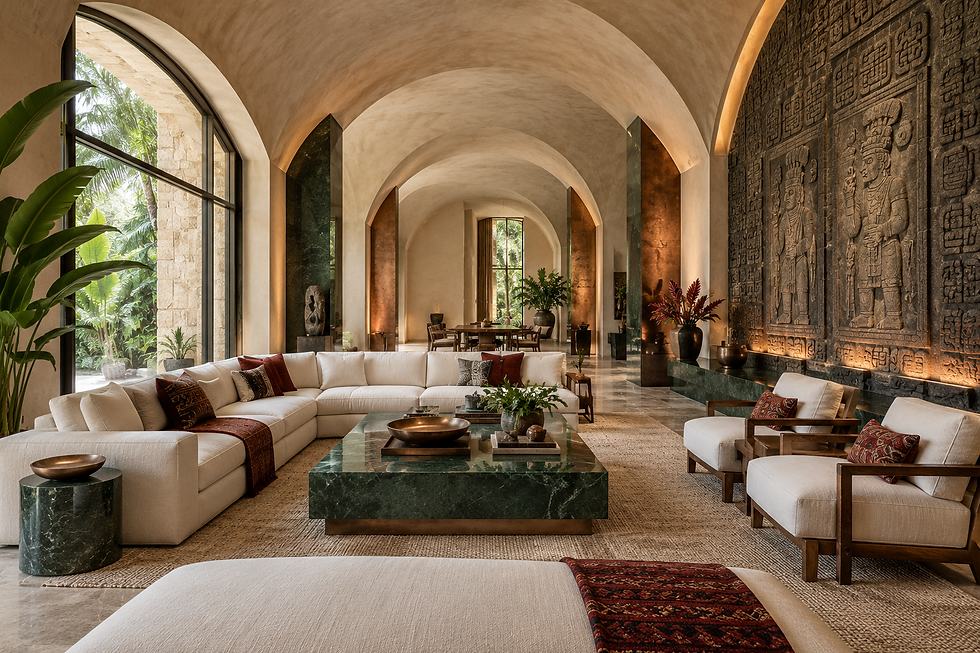
Comments