


Residential Interior Designer in Miami, Florida: Interior Design Websites — Craftsmanship That Changes the Experience of Home

Updated: 5 days ago
Interior Design Websites in Miami: materials, comfort, and the experience of home
A well-built design portfolio does more than showcase finished rooms — among quality interior design websites, the strongest ones reflect the same attention to proportion, circulation, and material performance found in the work itself. For a Miami property, Custom Construction Company develops this element around the actual architecture, room dimensions, waterfront or urban exposure, owner priorities, and long-term maintenance requirements, creating a refined result that is functional, buildable, cohesive, and specific to the home rather than a copied decorative formula.
A Focused Explanation of Interior design websites
Interior design websites is not simply a phrase placed throughout an article; it describes a specific design problem that must be understood, planned, detailed, purchased, built, and experienced. In this post, interior design websites refers directly to the custom residence and to the decisions that shape daily routines, privacy, relaxation, family life, entertaining, storage, display, and movement between rooms. Custom Construction Company studies the property, the people using it, the architecture, the Miami environment, and the desired level of luxury before recommending products. This keeps interior design websites tied to a real residential outcome instead of generic inspiration. Every selection must contribute to function, atmosphere, durability, and a coherent visual identity.
The planning foundation of interior design websites begins with layouts, focal points, furniture, millwork, lighting, textiles, art, accessories, circulation, views, and transitions. Dimensions, clearances, sightlines, human reach, movement, privacy, and connections to adjoining areas are resolved before decorative purchases dominate the conversation. Our design team uses plans, elevations, samples, and visualization to test these relationships. That process allows interior design websites to feel spacious and natural even when the footprint is limited. It also protects the client from attractive objects that do not fit, poorly placed focal points, conflicting door or drawer movements, and field changes that weaken craftsmanship or increase cost.
Materials give interior design websites its physical character. Relevant choices include natural stone, carefully selected wood grain, tile, plaster, metal, glass, wool, linen, velvet, leather, and custom-crafted finishes. We examine color, undertone, texture, grain or vein direction, hardness, moisture response, ultraviolet exposure, cleaning, repairability, edge treatment, lead time, and how separate materials meet. For interior design websites, an expensive surface must do more than look impressive on installation day. It should suit its location, feel appropriate to the hand and body, age in a way the owner accepts, and remain serviceable. Samples are reviewed under project lighting because Miami daylight and warm evening illumination can reveal very different qualities.
The technical performance of interior design websites depends upon space planning, lighting, acoustics, climate, power, technology, storage, procurement, installation, and long-term maintenance. These elements are coordinated with the visible design rather than added after the room has been composed. Custom Construction Company considers access for future service, installation tolerances, trade sequencing, manufacturer requirements, and the points where architecture, furnishings, and building systems intersect. This is a defining difference between professional interior design websites and superficial styling. The finished area appears calm because complicated decisions were anticipated. Comfort, reliability, and visual precision become parts of the same design standard.
Historically, interior design websites can draw intelligent lessons from architecture, decorative arts, regional craft, furniture making, material culture, and evolving ideas of domestic life. We use history as a source of proportion, ritual, craft, symbolism, material knowledge, and human experience—not as a reason to copy a period room. A classical influence may appear through symmetry or carved detail; a modern influence may appear through clarity, reduced joints, and integrated technology. In every case, interior design websites is edited to belong to the client and the Miami residence. This approach creates depth and originality while avoiding a showroom result assembled from unrelated trends.
The intended atmosphere of interior design websites is coherent, comfortable, distinctive, welcoming, luxurious, and deeply connected to the owner. Atmosphere is produced by measurable choices: the warmth and direction of light, the softness or resonance of surfaces, the spacing between furnishings, the visual weight of stone and wood, the movement of curtains or greenery, acoustic privacy, scent, temperature, and the sequence of arrival. Custom Construction Company uses these elements to make interior design websites emotionally persuasive. The owner should feel that daily life has become easier, more beautiful, and more intentional, while guests experience hospitality and craftsmanship without seeing the effort behind the composition.
Durability within interior design websites requires an honest understanding of materials. Wood hardness does not make unsealed edges immune to moisture; strong stone can still etch or contain natural fissures; luxurious fabric can require protection from direct sun; plated metal may age differently from solid material; and sophisticated technology still needs accessible controls and replacement planning. Our design team explains these distinctions before purchasing. That education makes interior design websites valuable because the client understands expected maintenance, likely patina, warranty considerations, cleaning methods, and the practical reasons behind each recommendation.

Visual reading — image 1: Senegal Baobab Rhythm Palace salon with terracotta cellular courtyard screens, sculpted timber tables and indigo seating. Architecturally, the composition establishes hierarchy through massing, scale, circulation, daylight, and material contrast. Its historical reading comes from proportion, craft, and regional response; the image interprets precedent without copying it. From an engineering and construction standpoint, the visible forms require coordinated structure, waterproofing, drainage, mechanical and electrical clearances, finish transitions, and installation tolerances. This explanation reconnects the visual proposal to how the place would be documented, built, inspected, and maintained.
This sweeping lounge opens directly onto a private courtyard shaded by a centuries-old baobab, Senegal's revered tree of life, its swollen trunk and bare silver branches framed like living sculpture beyond the glass. The screens that divide the space, carved from warm terracotta-toned resin panels in an organic cellular pattern, echo the hollowed shell of a calabash gourd, a material carried through generations of West African craft for vessels, instruments, and architecture alike. Deep indigo-navy velvet upholsters the sprawling sectional sofas, a color drawn straight from Senegal's storied indigo-dyeing tradition, where cotton is hand-dipped in fermented indigo vats until it reaches this same inky, saturated depth. Cream boucle wraps the low swivel armchair and the pouf beside it, their nubby texture offering a soft, tactile counterpoint to the sofa's dense pile. At the center, a round coffee table pairs a honed travertine top with a sculptural base built from stacked wood discs, each ring left visibly whole to show off the grain of the timber beneath its warm oiled finish. A woven jute rug, hand-plaited in a chunky herringbone weave, grounds the seating in the same earthen palette as the terracotta screens and the baobab bark outside. Brass bowls and dark ceramic vessels sit across the tables, their hammered surfaces catching the afternoon light that filters through the perforated panels in a shifting lattice of shadow. Fresh greenery in low arrangements brings sprigs of soft yellow flowering foliage into the room, echoing the golden hour light that pours in from the courtyard. Every choice here reads as considered rather than accumulated: nothing overwhelms, and the negative space between pieces is as deliberate as the furniture itself. The dining area glimpsed beyond, with its own cluster of chairs around a round table, confirms that this is a home built for gathering, not for show. Bird-of-paradise leaves rise from a large stoneware planter near the entry, their broad blades adding a note of unforced tropical ease. The wood ceiling above, composed of overlapping organic disc shapes in warm oak tones, continues the calabash motif skyward, its recessed cove lighting giving the room a soft, sunset glow even after dark. There is nothing tentative about this room; it is the work of people who know exactly the life they want to live in it, and who have already built it. The blue of the sofas against the warm terracotta and oak reads as both grounded and regal, a palette that borrows from indigo textiles worn at celebration and from the red earth underfoot across the Sahel. Comfort here is not an afterthought but the entire premise, from the deep seat cushions to the low, inviting scale of every surface within reach. It is a room designed for long afternoons, for laughter carried out toward the courtyard, for the particular happiness that comes from a home that finally, completely, fits the people living in it.
Custom Construction Company turns interior design websites into a coordinated residential service through consultation, programming, design concepts, spatial studies, material palettes, custom furniture or millwork development where appropriate, lighting intent, specifications, purchasing guidance, construction coordination, installation review, and final decoration. The exact scope follows the property and client. The purpose is consistent: interior design websites should become a fully considered part of the residence, sell the quality visible in the design, and give the homeowner a marvelous lived experience that supports comfort, confidence, celebration, beauty, and long-term enjoyment.
Royal Classic class appears through symmetry, proportion, etiquette, and restraint by choosing details with better carving, better tailoring, better joinery, and better placement. The future technology layer belongs inside the Architecture: dimmable scenes, concealed charging, smart climate zoning, acoustic comfort, motorized shades, integrated security, and controls that disappear into beautiful materials. A lucrative residential design decision protects value through durable stone, repairable millwork, timeless color, balanced storage, and flexible rooms that host parties, quiet mornings, family life, and serious entertaining. The service process feels like a private atelier: discovery, measured planning, concept direction, material studies, drawings, 3D visualization, procurement guidance, decoration, installation planning, and refinement after review. Classic etiquette still matters because entrances, dining rooms, salons, powder rooms, dressing spaces, guest suites, and terraces each ask for a different mood, privacy, and ceremony. The best result feels rich and fun with sparkling lighting, comfortable sofas, precise tables, practical storage, memorable art, and a room that can keep improving without losing identity. Our design team develops interior design websites for luxury houses, condos, penthouses and waterfront residences throughout Aventura, Brickell, Kendall, Coconut Grove, Key Biscayne, and Sunny Isles Beach. Each location is treated through its Architecture, daylight, views, privacy, climate, entertaining traditions and the owner's individual standard of comfort. Continue through the Previous 360 Party design study: Interior Design Sites Or discover the Next 360 Party design study: Interior Walls Explore the Residential Interior Design Miami collection And the Interior Design Styles library For complementary planning, materials and decoration guidance.
Origins, Culture, and Residential Meaning for Interior Design Websites
Classical proportion teaches visual order, modernism clarifies function, tropical Architecture manages sun and air, and contemporary craft joins those lessons without copying a period room. In this complete Miami residence, the design team examines limestone, walnut, linen, bronze, and hand-finished plaster in relation to private restoration and focused work, so visual ambition is supported by use, climate, and construction reality. Our design team translates those precedents into a personal Miami residence, selecting the ideas that support the household and rejecting decoration that has no purpose. Through decoration, procurement, and installation management, our design team converts the lesson into drawings, selections, samples, pricing information, and coordinated decisions the client can review and purchase with confidence. The result gives the search phrase a cultural foundation and lets the client buy informed design rather than a collection of unrelated objects. Applied specifically to interior design websites, this approach gives the visitor practical criteria for comparing options: proportion, performance, sensory character, installation difficulty, maintenance, lead time, and contribution to the total property. The goal is an interior that feels inspirational on arrival and remains intelligent after years of daily use. Clients who want this level of direction can select the relevant our design team service button below to request a private consultation, establish scope, and move from reading about interior design websites to commissioning a custom residential solution in Miami.
Programming the Household Before Styling It for Interior Design Websites
Those facts become a room-by-room program before furniture or finishes are approved. In this complete Miami residence, the design team examines quartzite, oak, wool, leather, and artisan glass in relation to family life and multigenerational visits, so visual ambition is supported by use, climate, and construction reality. Our design team measures existing conditions, records priorities, maps adjacencies, and separates essential requirements from optional indulgences so the design budget serves daily life. Through three-dimensional visualization and construction coordination, our design team converts the lesson into drawings, selections, samples, pricing information, and coordinated decisions the client can review and purchase with confidence. This discovery service prevents expensive revisions and turns aesthetic ambition into a reliable residential brief. For interior design websites, custom storage should begin with measured possessions so shelves, drawers, hanging space, equipment, ventilation, and charging have real dimensions. For interior design websites, bathroom luxury depends on drainage slopes, waterproofing continuity, valve access, ventilation, lighting, slip resistance, and convenient towel placement. For interior design websites, the most convincing luxury often appears in invisible preparation: straight substrates, coordinated blocking, concealed wiring, precise templates, and protected installation.

Visual reading — image 2: Senegal luxury dining and tea-tasting kitchen with cream stone island, timber table and cell-shaped ceiling panels. Architecturally, the composition establishes hierarchy through massing, scale, circulation, daylight, and material contrast. Its historical reading comes from proportion, craft, and regional response; the image interprets precedent without copying it. From an engineering and construction standpoint, the visible forms require coordinated structure, waterproofing, drainage, mechanical and electrical clearances, finish transitions, and installation tolerances. This explanation reconnects the visual proposal to how the place would be documented, built, inspected, and maintained.
The dining table anchoring this open kitchen and gathering space is cut from a single slab of walnut, its edge left in its natural undulating line so the wood's own history remains visible rather than squared away. Ten dining chairs, upholstered in the same deep indigo-navy velvet found throughout the home, surround it on carved wooden legs that taper toward the floor with a quiet, handcrafted confidence. Overhead, the coffered wood ceiling repeats in a grid of deep beams, its warm tone picking up the honey color of the table and the cabinetry beyond. The kitchen island is carved from a pale travertine, its rounded waterfall edge wrapping down into a base of vertical teak slats that curve with the stone rather than fighting it. Brass hardware and a brushed-brass gooseneck faucet warm the stone's coolness, while a terracotta teapot and small ceramic bowls sit ready on the counter, a quiet nod to the ritual of hospitality that runs through West African daily life. Beyond the glass, the same perforated terracotta screens seen throughout the property filter the courtyard light, their organic hole pattern recalling both calabash shells and the dappled shade cast by baobab canopies. A large terracotta urn holds a flowering branch just outside the window, its rust-red clay body matching the screens and grounding the exterior palette in the same earthen tones as the interior. The wood-fronted cabinetry lining the far wall is book-matched walnut, its grain running in mirrored patterns across each door so the whole run reads as one continuous, deliberate composition. Fresh fruit and small glass jars are arranged on the island with the kind of unhurried intention that suggests a home cooked in daily, not staged for a single photograph. The pendant lighting is kept spare, letting the architecture and the materials carry the room's presence instead. Every surface here, from the honed stone to the oiled walnut, has been chosen for how it will age, developing a deeper patina rather than wearing out, which is its own quiet statement about permanence. The navy of the chairs against the warm wood and stone conveys a palette that is confident rather than loud, evoking the indigo cloth worn at Senegalese ceremonies and the deep evening sky over the Sahel. This is a kitchen built for a full household and frequent guests, long enough to seat ten in comfort without ever feeling like a banquet hall. The love in this room shows in its restraint: no single element competes for attention, and the result is a space that feels both grand and entirely livable. It is the kind of kitchen where a family already secure in its life gathers each evening, not one imagined for someday. Underfoot, large-format stone tiles in a soft cream tone run seamlessly from the interior into the courtyard beyond, dissolving the line between inside and out. Even the small details, like the brass hardware pulls and the stitched piping on the chair upholstery, have been finished with a level of care that most homes reserve only for what is seen, never for what is simply used.
Proportion, Geometry, and Human Comfort for Interior Design Websites
A beautiful object placed at the wrong scale can weaken the entire composition. For maintenance planning, in this complete Miami residence, the design team examines marble, mahogany, silk velvet, patinated metal, and woven fiber in relation to seasonal entertaining beside the Miami landscape, so visual ambition is supported by use, climate, and construction reality. Our design team uses measured drawings, elevations, reflected ceiling plans, and three-dimensional studies to test balance before fabrication begins. Through space planning and architectural coordination, our design team converts the lesson into drawings, selections, samples, pricing information, and coordinated decisions the client can review and purchase with confidence. Mathematical discipline supports emotional luxury: repeated ratios create calm, aligned axes create ceremony, and carefully varied forms keep the residence alive. For interior design websites, a successful installation plan sequences protection removal, cleaning, furniture placement, art, accessories, flowers, lighting scenes, and final photography. For interior design websites, a room feels complete when its practical controls are reachable, its pathways are clear, its light is flattering, and every major object has visual purpose. For interior design websites, stone joints become part of the composition when they align with cabinetry, thresholds, plumbing centers, and major sight lines.
Miami Daylight, Heat, and Humidity for Interior Design Websites
Window orientation must guide glazing, drapery, upholstery, art placement, and the reflectivity of stone and metal. At final inspection, in this complete Miami residence, the design team examines travertine, ash, cotton, suede, and softly polished brass in relation to formal dinners and relaxed celebrations, so visual ambition is supported by use, climate, and construction reality. Our design team coordinates solar control, layered window treatments, durable specifications, ventilation awareness, and lighting scenes that remain flattering from morning through evening. Through custom millwork and furniture design, our design team converts the lesson into drawings, selections, samples, pricing information, and coordinated decisions the client can review and purchase with confidence. These regional decisions protect the investment and create interiors that belong in South Florida rather than looking imported without adaptation. For interior design websites, a calm palette still needs contrast in value, texture, scale, and reflectivity so the room remains legible and emotionally rich. For interior design websites, kitchen beauty lasts when appliance clearances, landing zones, ventilation, task light, drawer organization, counter seams, and cleaning habits shape the design. For interior design websites, a useful contingency recognizes concealed conditions, field adjustments, freight changes, replacement pieces, and final corrective work without weakening the core design.
A Disciplined Color Story for Interior Design Websites
Undertone, daylight, artificial light, material sheen, scale, and neighboring finishes can make the same sample appear entirely different. For custom fabrication, in this complete Miami residence, the design team examines limestone, walnut, linen, bronze, and hand-finished plaster in relation to quiet weekday routines, so visual ambition is supported by use, climate, and construction reality. Our design team builds controlled palettes with a dominant family, supporting neutrals, natural materials, and limited accents, then reviews large samples in the actual residence. Through lighting, material, and color development, our design team converts the lesson into drawings, selections, samples, pricing information, and coordinated decisions the client can review and purchase with confidence. This process can create quiet sophistication or expressive drama while preserving continuity, resale confidence, and visual rest. For interior design websites, ceiling height feels intentional when fixture scale, crown depth, door proportion, drapery height, wall divisions, and furniture mass share a visual logic. For interior design websites, the final styling phase should edit as rigorously as it adds, allowing Architecture, art, textiles, and personal objects to hold distinct roles. For interior design websites, a sofa should be evaluated through seat height, depth, pitch, cushion recovery, arm support, fabric behavior, and its relationship to nearby tables.
Stone, Tile, and Architectural Surfaces for Interior Design Websites
Selection must consider slip resistance, porosity, sealing, thickness, edge profiles, book matching, and replacement availability. Across the property experience, in this complete Miami residence, the design team examines quartzite, oak, wool, leather, and artisan glass in relation to private restoration and focused work, so visual ambition is supported by use, climate, and construction reality. Our design team studies slabs and mockups, directs vein orientation, coordinates joints with cabinetry and walls, and specifies transitions before installers begin. For interior design websites, furniture plans should protect direct walking routes while allowing intimate conversation distances and uninterrupted views toward art or landscape. Material procurement becomes part of the design service, protecting both the visual composition and long-term performance. For interior design websites, mockups let clients approve proportion and craftsmanship before repeated elements multiply a small mistake throughout the property. For interior design websites, color temperature should remain coordinated across visible spaces because conflicting white light can make carefully selected materials appear unrelated. For interior design websites, service circulation matters during entertaining because catering, cleanup, coat storage, deliveries, and staff movement should not disrupt guest experience.
Wood, Millwork, and Crafted Storage for Interior Design Websites
The best choice depends on the room, climate exposure, desired finish, and the geometry of doors and panels. When drawings are coordinated, in this complete Miami residence, the design team examines marble, mahogany, silk velvet, patinated metal, and woven fiber in relation to family life and multigenerational visits, so visual ambition is supported by use, climate, and construction reality. Our design team develops custom millwork elevations, reveals, hardware positions, interior fittings, lighting channels, and finish samples so storage becomes Architecture. For interior design websites, door clearances should be drawn with furniture installed because an elegant plan can fail when circulation is tested only in an empty room. Precise fabrication provides value every day because it organizes possessions while giving the home an unmistakably custom identity. For interior design websites, lighting mockups can test beam spread, glare, color rendering, dimming behavior, and how polished surfaces respond after sunset. For interior design websites, hardware samples should be handled beside the chosen wood and stone because weight, edge comfort, projection, and finish vary greatly in person. For interior design websites, rug dimensions should be tested against complete furniture groups because undersized rugs fragment rooms and interrupt movement.

Visual reading — image 3: Senegal courtyard bedroom with upholstered cellular headboard, custom timber millwork and indigo textiles. Architecturally, the composition establishes hierarchy through massing, scale, circulation, daylight, and material contrast. Its historical reading comes from proportion, craft, and regional response; the image interprets precedent without copying it. From an engineering and construction standpoint, the visible forms require coordinated structure, waterproofing, drainage, mechanical and electrical clearances, finish transitions, and installation tolerances. This explanation reconnects the visual proposal to how the place would be documented, built, inspected, and maintained.
The primary suite opens through a wall of glass onto a private courtyard, its terracotta screens sliding away to blur the line between bedroom and garden entirely. Behind the bed, an upholstered headboard wall rises in soft, irregular cream panels, their pebble-like shapes hand-stitched in a nubby bouclé that feels almost like sun-bleached stone to the touch. Dark walnut paneling frames the headboard on either side, its vertical grain a quiet, structural counterpoint to the softness of the upholstery. Bedding is layered in crisp ivory linen, weighted at the foot by a folded throw in deep indigo velvet, the same rich blue drawn from the home's signature dye tradition. A trio of smaller navy pillows, one in a raw woven texture that recalls hand-loomed West African cloth, punctuates the pale linen with quiet contrast. Terracotta table lamps flank the bed, their rounded, urn-like bases echoing the clay pots scattered through the courtyard just beyond the glass. Wide-plank walnut flooring runs the length of the room, its warm tone deepening in the late afternoon light that spills in past the baobab tree visible through the far window. Outside, a shallow reflecting pool traces the edge of the terrace, its still surface doubling the terracotta screens and the tree canopy above in quiet reflection. A cream boucle armchair sits in the corner beside the window, angled to catch both the courtyard view and the morning sun. The perforated terracotta screens, repeated from the home's public rooms, cast a shifting lattice of shadow across the floor as the sun moves, turning the wall into something like a sundial. A brass bowl on the nightstand holds nothing but a single stone, the kind of restrained gesture that speaks to a home already at ease with itself. Every material in the room, from the honed clay of the lamps to the oiled walnut underfoot, has been chosen to warm and soften with time rather than to look new forever. The palette throughout leans on terracotta, indigo, and warm wood tones drawn directly from the Sahel landscape and its textile traditions, never once reaching for anything imported or unrelated to the setting. This is a bedroom built for rest that is genuinely restful, not merely photogenic, with sightlines that open onto greenery from nearly every angle of the bed. The love in the room is evident in its quiet consistency: nothing here contradicts anything else, and the effect is one of complete, settled calm. It is the private retreat of people whose life is already full and secure, and who have built a room that simply lets them exhale at the end of the day.
Fabrics, Upholstery, and Touch for Interior Design Websites
Fiber, weave, rub count, seam placement, backing, and cleaning requirements matter as much as color. For enduring value, in this complete Miami residence, the design team examines travertine, ash, cotton, suede, and softly polished brass in relation to seasonal entertaining beside the Miami landscape, so visual ambition is supported by use, climate, and construction reality. Our design team composes upholstery, drapery, rugs, cushions, trims, and wall textiles as one tactile system, balancing sensual richness with realistic use. For interior design websites, accessible planning can be elegant through generous routes, stable seating, intuitive controls, safer thresholds, useful lighting, and adaptable bathroom support. Clients receive material guidance, sampling, procurement, and installation coordination instead of being left to compare disconnected swatches. For interior design websites, natural materials should be selected slab by slab or board by board when variation affects matching, yield, waste, replacement, and final composition. For interior design websites, a reflected ceiling plan should coordinate sprinklers, diffusers, speakers, detectors, access panels, fixtures, and architectural symmetry before construction. For interior design websites, outdoor-adjacent fabrics and metals require specifications that account for ultraviolet exposure, humidity, salt, condensation, and frequent cleaning.
Lighting as an Emotional System for Interior Design Websites
Ambient light establishes the room, task light supports reading and preparation, accent light reveals art and texture, and concealed light gives Architecture depth. When service scope is defined, in this complete Miami residence, the design team examines limestone, walnut, linen, bronze, and hand-finished plaster in relation to formal dinners and relaxed celebrations, so visual ambition is supported by use, climate, and construction reality. Our design team coordinates fixture scale, beam spread, color temperature, dimming, switching, glare control, ceiling details, and nighttime scenes with the electrical and architectural teams. For interior design websites, bedroom comfort improves when blackout control, reading light, charging, air movement, acoustic privacy, mattress access, and nighttime circulation are coordinated. The finished residence can shift from practical morning clarity to intimate dinner light and celebratory entertaining without losing coherence. For interior design websites, maintenance instructions should accompany handover so household staff and specialty cleaners know the correct products, intervals, and prohibited treatments. For interior design websites, views should be framed deliberately through furniture height, curtain openings, reflective surfaces, art placement, and the position from which residents enter. For interior design websites, construction photographs and decision logs protect continuity by recording concealed infrastructure, approved samples, field changes, and installation conditions.
Furniture Planning and Bespoke Pieces for Interior Design Websites
Seat depth, arm height, table reach, rug size, and the distance between groups determine whether a luxurious room actually works. During evening use, in this complete Miami residence, the design team examines quartzite, oak, wool, leather, and artisan glass in relation to quiet weekday routines, so visual ambition is supported by use, climate, and construction reality. Our design team tests layouts at accurate scale and can commission custom sofas, beds, tables, consoles, cabinetry, and built-in seating when standard products compromise the plan. For interior design websites, drapery fullness, stack-back width, lining, return depth, track position, and floor clearance determine both luxury and daily operation. Procurement oversight then aligns lead times, finishes, deliveries, inspection, placement, and final styling. For interior design websites, acoustic comfort improves when absorption is distributed among rugs, upholstery, drapery, books, panels, and soft architectural surfaces. For interior design websites, a procurement schedule should track approval dates and dependencies, not only delivery promises, because one late finish can delay several fabricators. For interior design websites, three-dimensional views are strongest when checked against measured plans; atmosphere should clarify buildable decisions rather than disguise unresolved geometry.
Art, Objects, and Personal Narrative for Interior Design Websites
Art, books, sculpture, ceramics, flowers, photographs, and collected objects should reveal the household while respecting Architecture, negative space, humidity, security, and conservation needs. For future adaptability, in this complete Miami residence, the design team examines marble, mahogany, silk velvet, patinated metal, and woven fiber in relation to private restoration and focused work, so visual ambition is supported by use, climate, and construction reality. Our design team plans hanging heights, lighting, pedestals, niches, display storage, rotations, and quiet areas where important pieces can breathe. For interior design websites, samples should be labeled with room, orientation, supplier, finish, approval date, and care requirements so decisions survive a long construction schedule. This curatorial service transforms a completed construction project into a recognizable home rather than a showroom. For interior design websites, professional service is most valuable where many decisions intersect, because coordination prevents individually attractive choices from producing a fragmented home. For interior design websites, material transitions deserve full-size details because the meeting of two expensive finishes is often more visible than either finish alone. For interior design websites, decorative objects gain importance when surrounding negative space is measured and lighting is aimed with restraint.
This section continues the interior design websites guide by connecting design decisions to the Studio’s custom residential interior design and decoration services in Miami.

Visual reading — image 4: Senegal garden spa bathroom with cream stone bathtub, indigo tile shower and terracotta privacy screens. Architecturally, the composition establishes hierarchy through massing, scale, circulation, daylight, and material contrast. Its historical reading comes from proportion, craft, and regional response; the image interprets precedent without copying it. From an engineering and construction standpoint, the visible forms require coordinated structure, waterproofing, drainage, mechanical and electrical clearances, finish transitions, and installation tolerances. This explanation reconnects the visual proposal to how the place would be documented, built, inspected, and maintained.
The freestanding soaking tub at the center of this bath is carved from a single block of pale limestone, its organic oval form left with a lightly honed finish so the stone's natural veining stays visible beneath the water. Beyond it, floor-to-ceiling terracotta screens slide open onto a private garden where a mature baobab rises above a low perimeter wall, its silhouette framed like a piece of living art from the tub itself. The walk-in shower is clad floor to ceiling in deep cobalt zellige-style tile, each small square hand-glazed with slight variation so the wall shimmers rather than reading as a flat surface. Brushed brass fixtures throughout, from the rainfall showerhead to the freestanding tub filler, warm the cool stone and tile with a soft, aged glow rather than a hard, polished shine. A small round side table beside the tub is turned from solid walnut, its stocky pedestal form echoing traditional West African stools carved from a single piece of timber. Twin vessel sinks, hewn from the same pale limestone as the tub, rest atop a walnut vanity whose ribbed, vertical-slat front continues the material language of the rest of the home. Arched brass-framed mirrors above the sinks catch the courtyard light and multiply it back across the room, brightening even the deepest corners of the space. A cushioned daybed sits along the far wall in undyed cream boucle, offering a place to linger long after the bath itself is finished. Fresh flowers in a low glass vase sit beside the tub, a small daily gesture that speaks to a household where beauty is a habit, not an occasion. A woven jute rug in a tight circular weave anchors the floor in front of the daybed, its natural fiber echoing the courtyard's own textures just outside. The terracotta screens repeat their organic, calabash-inspired perforation here as everywhere else in the home, so the pattern of filtered light never quite feels accidental. Small terracotta pots along the window ledge hold trailing greenery, softening the transition between the honed stone floor and the garden beyond the glass. Every surface in this room, stone, brass, tile, and timber, has been selected for how gracefully it will wear over decades of daily use, never for how it photographs on the day it is finished. The deep blue of the shower tile against the warm terracotta and pale stone recreates, almost exactly, the color relationship of indigo cloth laid against red Sahelian earth. There is an unmistakable sense of intelligence in how little competes here: the room is generous in scale but never cluttered, confident in its restraint. This is a bath built for people whose comfort is already assured, who bathe not to escape their life but simply to enjoy another quiet hour inside it.
Continue Your interior design websites Project With Our Miami Studio
For Miami homeowners researching house design plans, this Interior Design Websites guide connects design inspiration with practical planning, material selection, comfort, construction coordination, and professional residential service.
To turn interior design websites into a fully coordinated Miami residence, explore our Residential Interior Design service and project-selection page , review our Interior Decoration service and purchasing options , or contact our Miami team to begin a private project . These internal paths connect the design guidance directly to our services, selections, and next steps needed to commission the work.
Miami-Dade Service Area and Related Expertise
Researching Design References
Searches for Kelly Wearstler interior design can be useful for studying expressive color, scale and layered materials. This is an independent research reference, not a claim of affiliation or a substitute for a design brief tailored to a Miami home.
Ralph Lauren interiors are another research reference for collected rooms, tailored textiles and classic proportions. A client can identify the atmosphere they admire, then develop an original material and furnishing plan for their own property.
The phrase Ralph Lauren interior design may describe that reference point in a search. Our design process starts with the home's architecture and the owner's routines instead of copying a branded room.

Visual reading — image 5: Senegal music and games library with rounded timber shelving, acoustic ceiling panels and custom gaming table. Architecturally, the composition establishes hierarchy through massing, scale, circulation, daylight, and material contrast. Its historical reading comes from proportion, craft, and regional response; the image interprets precedent without copying it. From an engineering and construction standpoint, the visible forms require coordinated structure, waterproofing, drainage, mechanical and electrical clearances, finish transitions, and installation tolerances. This explanation reconnects the visual proposal to how the place would be documented, built, inspected, and maintained.
This library and games room is anchored by a full wall of open walnut shelving, its honeycomb of niches holding leather-bound books, carved wooden figures, and ceramic vessels collected rather than purchased in bulk. Set into the shelving is a kora, the twenty-one-string harp-lute central to the griot storytelling tradition of Senegal and the wider Mande region, displayed here not as decoration but as an instrument clearly meant to be played. Beside it rests a hand-carved skin drum, its wood body worn smooth by years of use, a quiet acknowledgment of the rhythm and music that run through West African family life. Overhead, a ceiling composed of overlapping wood discs in warm oak tones continues the calabash motif found throughout the home, its recessed lighting glowing softly against the grain. A brass-bladed ceiling fan, its palm-frond-shaped blades slowly turning, sits at the center of the room like a piece of kinetic sculpture rather than a purely functional fixture. Four cream boucle armchairs, each on a dark walnut frame, surround a low game table inlaid with a backgammon board, its walnut and cream checkers already mid-play. Brass bowls holding stacked game pieces sit at the table's center, their hammered texture catching light from the courtyard windows just beyond. Deep indigo-navy sofas fill the adjoining lounge area, visible through the open plan, their pillows patterned in a geometric print reminiscent of traditional Senegalese wax-print textiles. A woven jute rug in a wide herringbone pattern grounds the seating area, its natural fiber and earthen tone tying the room back to the red clay landscape outside. Beyond the terracotta screens, the same ancient baobab visible from the great room stands sentinel over the courtyard, its bare branches catching the late afternoon sun. Sound speakers built into the shelving are finished to disappear into the walnut, so the room's technology never interrupts the warmth of its materials. A brass table lamp with a linen shade sits beside the shelving, its soft light meant for evenings spent reading rather than for showing the room off. Every piece of furniture here rests on legs and bases carved from a single species of walnut, giving the room a unified, unhurried rhythm from one surface to the next. The palette throughout, warm wood, terracotta, indigo, and brass, is drawn entirely from the landscape and craft traditions of Senegal, never borrowed from anywhere else. This is a room built for the slow pleasures of a full life already achieved: an evening game of backgammon, a kora played after dinner, a book chosen at leisure from a wall that clearly holds favorites. The attention to detail extends even to the small carved wooden objects tucked into the shelving, none of them purely decorative, each one carrying the weight of a story or a place. There is real happiness built into this room, the kind that comes from surrounding oneself, day after day, with the objects and instruments that mean the most. It is a space that feels lived-in rather than staged, the natural gathering point of a home whose comfort and success are already long settled.
Kelly Wearstler lighting can prompt useful questions about fixture scale, contrast and the way a sculptural pendant changes a room after dark. Verify actual product dimensions, light output and installation conditions before choosing any fitting.
Kelly Wearstler wallpaper can be an inspiration for pattern and texture. A project needs its own wall preparation, moisture suitability, repeat scale and color testing in the light of the actual room.
A room design website can help collect references, yet its images rarely show the exact dimensions, structural constraints or local requirements of a property. Use digital inspiration as a starting point for measured plans.
Emily Henderson design is often researched for approachable room styling. Keep inspiration separate from the authorship of a new project, and judge each reference against the space, budget and functional brief at hand.
Amber Lewis Loloi is a specific product and collaboration search, useful when comparing rug texture, size and color. Any selection should be verified against the available room dimensions and material specifications; no association with the brand is implied.
RH interior design is a distinct brand search. When comparing furniture at that scale, measure doorways, circulation and seating proportions before treating a showroom composition as a plan for a particular home.
Jeremiah Brent design may be a reference for calm, personally collected rooms. A useful mood board identifies the desired qualities and develops an original solution rather than reproducing someone else's project.
Axel Vervoordt interiors offer another study in patina, restraint and material weight. Those qualities can inspire a different composition suited to Miami daylight and the homeowner's own collection.
Roomstyler 3D is one of several planning tools a client might explore. A digital arrangement should be checked against site measurements, accurate furniture specifications, lighting and construction feasibility.
TheInteriorDesignInstitute is an education-related search rather than a residential service. When comparing design resources online, distinguish courses and inspiration platforms from the scope and accountability of a commissioned project team.
Ken Fulk design can suggest theatrical storytelling and layered hospitality. The useful lesson is to form a clear narrative for the client's own rooms, materials and experience without imitating an existing project.
Viewed through a practical Miami lens, “Re idential thi re idential de ign tudy, Florida: Interior De ign Web ite — Craft man hip That Change the Experience of Home” connects room dimensions, sight lines, material transitions, and furniture ergonomics. An interior designer in Miami would translate that focus into coordinated decisions about scale, circulation, materials, lighting, climate, engineering, and the way the household uses the rooms. The goal is a residence that feels personal, performs well, and remains visually convincing after the photography is finished.
As a local residential case study, “Re idential Interior De igner in Miami, Florida: Interior De ign Web ite — Craft man hip That Change the Experience of Home” clarifies the difference between a visual concept and a service that can be delivered responsibly. A local search for interior designer near me should lead to more than a directory result: it should clarify service area, experience, site responsiveness, design coordination, and the ability to carry the concept into a buildable residence. The article therefore supports both design inspiration and a practical way to evaluate a real service provider.
The residential idea in “Re idential Interior De igner in Miami, Florida: Interior De ign Web ite — Craft man hip That Change the Experience of Home” also reveals how color, texture, furniture scale, artwork, and layered lighting. A search for interior decorators Miami, Florida should lead to more than a style label: it should connect color, texture, furniture, artwork, lighting, room proportion, material performance, and the client’s daily experience rather than treating decoration as an afterthought. That is what turns decoration into a coherent residential environment rather than a collection of attractive objects.
The subject of this article also benefits from a coordinated design-build perspective, so the atmosphere feels intentional from the entry sequence through the private rooms. In Residential Interior Designer in Miami, Florida: Interior Design Websites — Craftsmanship That Changes the Experience of Home, the design intent should be read as a sequence of decisions rather than as a collection of isolated objects. For local readers, interior decorator Miami is shorthand for finding a professional who can translate personal priorities into a coherent furniture plan, finish schedule, lighting strategy, and installation process. It also means selecting upholstery, casework, stone, metals, and textiles according to maintenance, tactile quality, color stability, and the long-term character they will bring to the home. The final design should therefore feel authored without feeling forced, and luxurious without losing the warmth that makes a residence feel like home.
The subject of this article also benefits from a coordinated design-build perspective, so the atmosphere feels intentional from the entry sequence through the private rooms. In Residential this design topic in Miami, Florida: Interior Design Websites — Craftsmanship That Changes the Experience of Home, the design intent should be read as a sequence of decisions rather than as a collection of isolated objects. For local readers, interior designer is shorthand for finding a professional who can translate personal priorities into a coherent furniture plan, finish schedule, lighting strategy, and installation process. It also means selecting upholstery, casework, stone, metals, and textiles according to maintenance, tactile quality, color stability, and the long-term character they will bring to the home. The final design should therefore feel authored without feeling forced, and luxurious without losing the warmth that makes a residence feel like home.
Good residential design is not a layer added at the end; it is part of the larger spatial strategy that gives furniture, finishes, and light a natural relationship. In Residential Interior Designer in Miami, Florida: Interior Design Websites — Craftsmanship That Changes the Experience of Home, the design intent should be read as a sequence of decisions rather than as a collection of isolated objects. For local readers, interior designers Miami, Florida is shorthand for finding a professional team that can translate personal priorities into a coherent furniture plan, finish schedule, lighting strategy, and installation process. The strongest result comes from coordinating the room proportions with built-ins, art placement, window treatments, and seating heights before individual products are approved. A result like this is judged not only in photographs, but also by how naturally people move, gather, rest, and return to the spaces every day.
The design decisions in this article are strongest when the visual idea is connected to daily comfort, clear circulation, and the way each room is actually used. In Residential Interior Designer in Miami, Florida: Interior Design Websites — Craftsmanship That Changes the Experience of Home, the design intent should be read as a sequence of decisions rather than as a collection of isolated objects. For local readers, interior decorator near me is shorthand for finding a professional team that can translate personal priorities into a coherent furniture plan, finish schedule, lighting strategy, and installation process. That means the furniture plan should preserve generous paths, the lighting should reveal texture without glare, and the finish palette should remain coherent from room to room. That is the standard we use when moving from an inspiring concept to a residence that can be documented, priced, built, and enjoyed.
A refined residential concept begins with more than a pleasing image; it depends on proportion, material performance, climate awareness, and a practical plan for living. In Residential Interior Designer in Miami, Florida: Interior Design Websites — Craftsmanship That Changes the Experience of Home, the design intent should be read as a sequence of decisions rather than as a collection of isolated objects. For local readers, house designers near me is shorthand for finding a professional team that can translate personal priorities into a coherent home-planning approach, furniture plan, finish schedule, lighting strategy, and installation process. Engineering matters as much as appearance here, because humidity control, daylight, acoustics, electrical coordination, and installation tolerances determine whether the design remains beautiful after completion. The value is in that continuity: the home looks distinctive, but it also feels easy to inhabit and dependable over time.
The ideas presented here become more useful when they are translated into a real scope of work with measured rooms, coordinated selections, and a clear installation sequence. In this South Florida design topic, Florida: Interior Design Websites — Craftsmanship That Changes the Experience of Home, the design intent should be read as a sequence of decisions rather than as a collection of isolated objects. For local readers, residential interior design Miami is shorthand for finding a professional team that can translate personal priorities into a coherent furniture plan, finish schedule, lighting strategy, and installation process. When these layers are resolved together, the residence feels more personal and more valuable: every choice has a reason, and no decorative element competes with the way the home is lived in. It gives the homeowner a clearer path from the first conversation to the final styling day while keeping the finished rooms connected to the architecture.
For local readers, interior design companies Miami is a practical starting point for comparing teams that can coordinate concept development, space planning, material selections, documentation, and construction communication. The right partner should connect the design vision to the home's architecture, budget, approvals, and long-term comfort while keeping the process clear from first consultation through final installation.
For local readers, high-end residential interior design is a useful framework for comparing teams that can coordinate refined space planning, architectural detailing, material selections, lighting, furnishings, documentation, and construction communication. The strongest result connects the design vision to the home's architecture, budget, approvals, comfort, and long-term performance while keeping the process clear from first consultation through final installation.
For local readers, interior design companies near me is a practical starting point for comparing teams that can coordinate concept development, space planning, material selections, documentation, and construction communication. The right partner should connect the design vision to the home's architecture, budget, approvals, and long-term comfort while keeping the process clear from first consultation through final installation.
Local service planning note — Miami-area homeowners should compare scope, documentation, materials, and construction coordination before selecting a design professional. For homeowners comparing local services, interior designer near me can be a practical first search. When a project needs coordinated planning, interior designer near me may help identify suitable professionals. A careful search for interior designer near me should consider experience, communication, and documented scope. For a Miami-area residence, interior designer near me should understand local conditions and approval requirements. A strong interior designer near me should connect visual ideas with buildable details. When reviewing portfolios, interior designer near me can help a homeowner compare relevant project experience. For renovations, interior designer near me should be able to coordinate layout, finishes, lighting, and furniture. For new construction, interior designer near me should communicate clearly with architecture and engineering teams. A qualified interior designer near me should explain materials, budget ranges, sequencing, and expectations. Homeowners using interior designer near me should look for a process that remains organized from concept to installation. The right interior designer near me should balance comfort, proportion, durability, and personal style. A professional interior designer near me should document important decisions instead of leaving them ambiguous. For coastal properties, interior designer near me should understand humidity, sunlight, maintenance, and material performance. For luxury residences, interior designer near me should coordinate custom details without sacrificing everyday usability. A thoughtful interior designer near me should make furniture, circulation, lighting, and architectural character work together. Before hiring interior designer near me, homeowners should compare services, deliverables, communication, and construction coordination. The best interior designer near me should translate a homeowner's priorities into a coherent interior environment. A local interior designer near me should be comfortable discussing revisions, selections, schedules, and site conditions. When the project is complex, interior designer near me should provide clear decisions that contractors can follow.
Service reference note — expansion batch K04. Professional service explanation — In this context, "interior decorators Miami, Florida" describes a service that begins with a documented understanding of the property and the client’s goals. A professional conversation about "interior decorators Miami, Florida" clarifies the project scope, priorities, schedule, budget, and decision-making process. The discovery phase for "interior decorators Miami, Florida" studies the existing building, the site conditions, circulation patterns, and the way each room should be used. A careful review of "interior decorators Miami, Florida" considers proportion, daylight, privacy, storage, accessibility, acoustics, and long-term comfort. The planning work behind "interior decorators Miami, Florida" translates the client’s lifestyle and operational needs into a coherent design brief. Material decisions for "interior decorators Miami, Florida" balance durability, maintenance, tactile quality, color, texture, and the architectural character of the residence. Furniture selected for "interior decorators Miami, Florida" is evaluated for scale, ergonomics, circulation clearance, comfort, and visual relationship to the room. Lighting developed for "interior decorators Miami, Florida" combines ambient, task, accent, and decorative layers so the finished spaces remain useful and welcoming. Documentation for "interior decorators Miami, Florida" coordinates dimensions, finishes, millwork, fixtures, equipment, and installation conditions before construction begins. The technical side of "interior decorators Miami, Florida" requires careful coordination among architecture, engineering, mechanical systems, electrical work, plumbing, and life-safety requirements. A strong process for "interior decorators Miami, Florida" reduces conflicts by resolving junctions, transitions, tolerances, and responsibilities before the work reaches the site. Budget control in "interior decorators Miami, Florida" compares the design intent with procurement lead times, product availability, fabrication requirements, and lifecycle value. Construction coordination for "interior decorators Miami, Florida" keeps the drawings, samples, shop information, field conditions, and approved substitutions aligned. Quality review during "interior decorators Miami, Florida" checks alignment, finish consistency, hardware operation, lighting performance, furniture placement, and final detailing. A responsible approach to "interior decorators Miami, Florida" also considers moisture, heat, sunlight, cleaning, aging, and the practical demands placed on a South Florida home. The best results from "interior decorators Miami, Florida" come from connecting the visual concept to sound dimensions, buildable details, realistic materials, and reliable execution. Client communication is central to "interior decorators Miami, Florida" because each approval affects procurement, sequencing, coordination, and the experience of the finished residence. An effective team providing "interior decorators Miami, Florida" explains alternatives clearly so the client can make informed decisions without losing the overall design direction. The completed work associated with "interior decorators Miami, Florida" should feel refined because the architecture, interiors, furnishings, lighting, and engineering were considered as one system. This professional explanation places "interior decorators Miami, Florida" in its proper context: a disciplined design service intended to create beautiful, functional, durable, and carefully coordinated spaces.
Service reference note — expansion batch K05. Professional service explanation — In this context, "interior decorators Miami FL" describes a service that begins with a documented understanding of the property and the client’s goals. A professional conversation about "interior decorators Miami FL" clarifies the project scope, priorities, schedule, budget, and decision-making process. The discovery phase for "interior decorators Miami FL" studies the existing building, the site conditions, circulation patterns, and the way each room should be used. A careful review of "interior decorators Miami FL" considers proportion, daylight, privacy, storage, accessibility, acoustics, and long-term comfort. The planning work behind "interior decorators Miami FL" translates the client’s lifestyle and operational needs into a coherent design brief. Material decisions for "interior decorators Miami FL" balance durability, maintenance, tactile quality, color, texture, and the architectural character of the residence. Furniture selected for "interior decorators Miami FL" is evaluated for scale, ergonomics, circulation clearance, comfort, and visual relationship to the room. Lighting developed for "interior decorators Miami FL" combines ambient, task, accent, and decorative layers so the finished spaces remain useful and welcoming. Documentation for "interior decorators Miami FL" coordinates dimensions, finishes, millwork, fixtures, equipment, and installation conditions before construction begins. The technical side of "interior decorators Miami FL" requires careful coordination among architecture, engineering, mechanical systems, electrical work, plumbing, and life-safety requirements. A strong process for "interior decorators Miami FL" reduces conflicts by resolving junctions, transitions, tolerances, and responsibilities before the work reaches the site. Budget control in "interior decorators Miami FL" compares the design intent with procurement lead times, product availability, fabrication requirements, and lifecycle value. Construction coordination for "interior decorators Miami FL" keeps the drawings, samples, shop information, field conditions, and approved substitutions aligned. Quality review during "interior decorators Miami FL" checks alignment, finish consistency, hardware operation, lighting performance, furniture placement, and final detailing. A responsible approach to "interior decorators Miami FL" also considers moisture, heat, sunlight, cleaning, aging, and the practical demands placed on a South Florida home. The best results from "interior decorators Miami FL" come from connecting the visual concept to sound dimensions, buildable details, realistic materials, and reliable execution. Client communication is central to "interior decorators Miami FL" because each approval affects procurement, sequencing, coordination, and the experience of the finished residence. An effective team providing "interior decorators Miami FL" explains alternatives clearly so the client can make informed decisions without losing the overall design direction. The completed work associated with "interior decorators Miami FL" should feel refined because the architecture, interiors, furnishings, lighting, and engineering were considered as one system. This professional explanation places "interior decorators Miami FL" in its proper context: a disciplined design service intended to create beautiful, functional, durable, and carefully coordinated spaces.
Service reference note — expansion batch K06. Professional service explanation — In this context, "interior decorator Miami" describes a service that begins with a documented understanding of the property and the client’s goals. A professional conversation about "interior decorator Miami" clarifies the project scope, priorities, schedule, budget, and decision-making process. The discovery phase for "interior decorator Miami" studies the existing building, the site conditions, circulation patterns, and the way each room should be used. A careful review of "interior decorator Miami" considers proportion, daylight, privacy, storage, accessibility, acoustics, and long-term comfort. The planning work behind "interior decorator Miami" translates the client’s lifestyle and operational needs into a coherent design brief. Material decisions for "interior decorator Miami" balance durability, maintenance, tactile quality, color, texture, and the architectural character of the residence. Furniture selected for "interior decorator Miami" is evaluated for scale, ergonomics, circulation clearance, comfort, and visual relationship to the room. Lighting developed for "interior decorator Miami" combines ambient, task, accent, and decorative layers so the finished spaces remain useful and welcoming. Documentation for "interior decorator Miami" coordinates dimensions, finishes, millwork, fixtures, equipment, and installation conditions before construction begins. The technical side of "interior decorator Miami" requires careful coordination among architecture, engineering, mechanical systems, electrical work, plumbing, and life-safety requirements. A strong process for "interior decorator Miami" reduces conflicts by resolving junctions, transitions, tolerances, and responsibilities before the work reaches the site. Budget control in "interior decorator Miami" compares the design intent with procurement lead times, product availability, fabrication requirements, and lifecycle value. Construction coordination for "interior decorator Miami" keeps the drawings, samples, shop information, field conditions, and approved substitutions aligned. Quality review during "interior decorator Miami" checks alignment, finish consistency, hardware operation, lighting performance, furniture placement, and final detailing. A responsible approach to "interior decorator Miami" also considers moisture, heat, sunlight, cleaning, aging, and the practical demands placed on a South Florida home. The best results from "interior decorator Miami" come from connecting the visual concept to sound dimensions, buildable details, realistic materials, and reliable execution. Client communication is central to "interior decorator Miami" because each approval affects procurement, sequencing, coordination, and the experience of the finished residence. An effective team providing "interior decorator Miami" explains alternatives clearly so the client can make informed decisions without losing the overall design direction. The completed work associated with "interior decorator Miami" should feel refined because the architecture, interiors, furnishings, lighting, and engineering were considered as one system. This professional explanation places "interior decorator Miami" in its proper context: a disciplined design service intended to create beautiful, functional, durable, and carefully coordinated spaces.
Service reference note — expansion batch K07. Professional service explanation — In this context, "interior designers" describes a service that begins with a documented understanding of the property and the client’s goals. A professional conversation about "interior designers" clarifies the project scope, priorities, schedule, budget, and decision-making process. The discovery phase for "interior designers" studies the existing building, the site conditions, circulation patterns, and the way each room should be used. A careful review of "interior designers" considers proportion, daylight, privacy, storage, accessibility, acoustics, and long-term comfort. The planning work behind "interior designers" translates the client’s lifestyle and operational needs into a coherent design brief. Material decisions for "interior designers" balance durability, maintenance, tactile quality, color, texture, and the architectural character of the residence. Furniture selected for "interior designers" is evaluated for scale, ergonomics, circulation clearance, comfort, and visual relationship to the room. Lighting developed for "interior designers" combines ambient, task, accent, and decorative layers so the finished spaces remain useful and welcoming. Documentation for "interior designers" coordinates dimensions, finishes, millwork, fixtures, equipment, and installation conditions before construction begins. The technical side of "interior designers" requires careful coordination among architecture, engineering, mechanical systems, electrical work, plumbing, and life-safety requirements. A strong process for "interior designers" reduces conflicts by resolving junctions, transitions, tolerances, and responsibilities before the work reaches the site. Budget control in "interior designers" compares the design intent with procurement lead times, product availability, fabrication requirements, and lifecycle value. Construction coordination for "interior designers" keeps the drawings, samples, shop information, field conditions, and approved substitutions aligned. Quality review during "interior designers" checks alignment, finish consistency, hardware operation, lighting performance, furniture placement, and final detailing. A responsible approach to "interior designers" also considers moisture, heat, sunlight, cleaning, aging, and the practical demands placed on a South Florida home. The best results from "interior designers" come from connecting the visual concept to sound dimensions, buildable details, realistic materials, and reliable execution. Client communication is central to "interior designers" because each approval affects procurement, sequencing, coordination, and the experience of the finished residence. An effective team providing "interior designers" explains alternatives clearly so the client can make informed decisions without losing the overall design direction. The completed work associated with "interior designers" should feel refined because the architecture, interiors, furnishings, lighting, and engineering were considered as one system. This professional explanation places "interior designers" in its proper context: a disciplined design service intended to create beautiful, functional, durable, and carefully coordinated spaces.
Service reference note — expansion batch K08. Professional service explanation — In this context, "interior designers Miami, Florida" describes a service that begins with a documented understanding of the property and the client’s goals. A professional conversation about "interior designers Miami, Florida" clarifies the project scope, priorities, schedule, budget, and decision-making process. The discovery phase for "interior designers Miami, Florida" studies the existing building, the site conditions, circulation patterns, and the way each room should be used. A careful review of "interior designers Miami, Florida" considers proportion, daylight, privacy, storage, accessibility, acoustics, and long-term comfort. The planning work behind "interior designers Miami, Florida" translates the client’s lifestyle and operational needs into a coherent design brief. Material decisions for "interior designers Miami, Florida" balance durability, maintenance, tactile quality, color, texture, and the architectural character of the residence. Furniture selected for "interior designers Miami, Florida" is evaluated for scale, ergonomics, circulation clearance, comfort, and visual relationship to the room. Lighting developed for "interior designers Miami, Florida" combines ambient, task, accent, and decorative layers so the finished spaces remain useful and welcoming. Documentation for "interior designers Miami, Florida" coordinates dimensions, finishes, millwork, fixtures, equipment, and installation conditions before construction begins. The technical side of "interior designers Miami, Florida" requires careful coordination among architecture, engineering, mechanical systems, electrical work, plumbing, and life-safety requirements. A strong process for "interior designers Miami, Florida" reduces conflicts by resolving junctions, transitions, tolerances, and responsibilities before the work reaches the site. Budget control in "interior designers Miami, Florida" compares the design intent with procurement lead times, product availability, fabrication requirements, and lifecycle value. Construction coordination for "interior designers Miami, Florida" keeps the drawings, samples, shop information, field conditions, and approved substitutions aligned. Quality review during "interior designers Miami, Florida" checks alignment, finish consistency, hardware operation, lighting performance, furniture placement, and final detailing. A responsible approach to "interior designers Miami, Florida" also considers moisture, heat, sunlight, cleaning, aging, and the practical demands placed on a South Florida home. The best results from "interior designers Miami, Florida" come from connecting the visual concept to sound dimensions, buildable details, realistic materials, and reliable execution. Client communication is central to "interior designers Miami, Florida" because each approval affects procurement, sequencing, coordination, and the experience of the finished residence. An effective team providing "interior designers Miami, Florida" explains alternatives clearly so the client can make informed decisions without losing the overall design direction. The completed work associated with "interior designers Miami, Florida" should feel refined because the architecture, interiors, furnishings, lighting, and engineering were considered as one system. This professional explanation places "interior designers Miami, Florida" in its proper context: a disciplined design service intended to create beautiful, functional, durable, and carefully coordinated spaces.
Service reference note — expansion batch K09. Professional service explanation — In this context, "interior designer Miami Florida" describes a service that begins with a documented understanding of the property and the client’s goals. A professional conversation about "interior designer Miami Florida" clarifies the project scope, priorities, schedule, budget, and decision-making process. The discovery phase for "interior designer Miami Florida" studies the existing building, the site conditions, circulation patterns, and the way each room should be used. A careful review of "interior designer Miami Florida" considers proportion, daylight, privacy, storage, accessibility, acoustics, and long-term comfort. The planning work behind "interior designer Miami Florida" translates the client’s lifestyle and operational needs into a coherent design brief. Material decisions for "interior designer Miami Florida" balance durability, maintenance, tactile quality, color, texture, and the architectural character of the residence. Furniture selected for "interior designer Miami Florida" is evaluated for scale, ergonomics, circulation clearance, comfort, and visual relationship to the room. Lighting developed for "interior designer Miami Florida" combines ambient, task, accent, and decorative layers so the finished spaces remain useful and welcoming. Documentation for "interior designer Miami Florida" coordinates dimensions, finishes, millwork, fixtures, equipment, and installation conditions before construction begins. The technical side of "interior designer Miami Florida" requires careful coordination among architecture, engineering, mechanical systems, electrical work, plumbing, and life-safety requirements. A strong process for "interior designer Miami Florida" reduces conflicts by resolving junctions, transitions, tolerances, and responsibilities before the work reaches the site. Budget control in "interior designer Miami Florida" compares the design intent with procurement lead times, product availability, fabrication requirements, and lifecycle value. Construction coordination for "interior designer Miami Florida" keeps the drawings, samples, shop information, field conditions, and approved substitutions aligned. Quality review during "interior designer Miami Florida" checks alignment, finish consistency, hardware operation, lighting performance, furniture placement, and final detailing. A responsible approach to "interior designer Miami Florida" also considers moisture, heat, sunlight, cleaning, aging, and the practical demands placed on a South Florida home. The best results from "interior designer Miami Florida" come from connecting the visual concept to sound dimensions, buildable details, realistic materials, and reliable execution. Client communication is central to "interior designer Miami Florida" because each approval affects procurement, sequencing, coordination, and the experience of the finished residence. An effective team providing "interior designer Miami Florida" explains alternatives clearly so the client can make informed decisions without losing the overall design direction. The completed work associated with "interior designer Miami Florida" should feel refined because the architecture, interiors, furnishings, lighting, and engineering were considered as one system. This professional explanation places "interior designer Miami Florida" in its proper context: a disciplined design service intended to create beautiful, functional, durable, and carefully coordinated spaces.
Service reference note — expansion batch K10. Professional service explanation — In this context, "interior decorator near me" describes a service that begins with a documented understanding of the property and the client’s goals. A professional conversation about "interior decorator near me" clarifies the project scope, priorities, schedule, budget, and decision-making process. The discovery phase for "interior decorator near me" studies the existing building, the site conditions, circulation patterns, and the way each room should be used. A careful review of "interior decorator near me" considers proportion, daylight, privacy, storage, accessibility, acoustics, and long-term comfort. The planning work behind "interior decorator near me" translates the client’s lifestyle and operational needs into a coherent design brief. Material decisions for "interior decorator near me" balance durability, maintenance, tactile quality, color, texture, and the architectural character of the residence. Furniture selected for "interior decorator near me" is evaluated for scale, ergonomics, circulation clearance, comfort, and visual relationship to the room. Lighting developed for "interior decorator near me" combines ambient, task, accent, and decorative layers so the finished spaces remain useful and welcoming. Documentation for "interior decorator near me" coordinates dimensions, finishes, millwork, fixtures, equipment, and installation conditions before construction begins. The technical side of "interior decorator near me" requires careful coordination among architecture, engineering, mechanical systems, electrical work, plumbing, and life-safety requirements. A strong process for "interior decorator near me" reduces conflicts by resolving junctions, transitions, tolerances, and responsibilities before the work reaches the site. Budget control in "interior decorator near me" compares the design intent with procurement lead times, product availability, fabrication requirements, and lifecycle value. Construction coordination for "interior decorator near me" keeps the drawings, samples, shop information, field conditions, and approved substitutions aligned. Quality review during "interior decorator near me" checks alignment, finish consistency, hardware operation, lighting performance, furniture placement, and final detailing. A responsible approach to "interior decorator near me" also considers moisture, heat, sunlight, cleaning, aging, and the practical demands placed on a South Florida home. The best results from "interior decorator near me" come from connecting the visual concept to sound dimensions, buildable details, realistic materials, and reliable execution. Client communication is central to "interior decorator near me" because each approval affects procurement, sequencing, coordination, and the experience of the finished residence. An effective team providing "interior decorator near me" explains alternatives clearly so the client can make informed decisions without losing the overall design direction. The completed work associated with "interior decorator near me" should feel refined because the architecture, interiors, furnishings, lighting, and engineering were considered as one system. This professional explanation places "interior decorator near me" in its proper context: a disciplined design service intended to create beautiful, functional, durable, and carefully coordinated spaces.
Service reference note — expansion batch K11. Professional service explanation — In this context, "home decorator" describes a service that begins with a documented understanding of the property and the client’s goals. A professional conversation about "home decorator" clarifies the project scope, priorities, schedule, budget, and decision-making process. The discovery phase for "home decorator" studies the existing building, the site conditions, circulation patterns, and the way each room should be used. A careful review of "home decorator" considers proportion, daylight, privacy, storage, accessibility, acoustics, and long-term comfort. The planning work behind "home decorator" translates the client’s lifestyle and operational needs into a coherent design brief. Material decisions for "home decorator" balance durability, maintenance, tactile quality, color, texture, and the architectural character of the residence. Furniture selected for "home decorator" is evaluated for scale, ergonomics, circulation clearance, comfort, and visual relationship to the room. Lighting developed for "home decorator" combines ambient, task, accent, and decorative layers so the finished spaces remain useful and welcoming. Documentation for "home decorator" coordinates dimensions, finishes, millwork, fixtures, equipment, and installation conditions before construction begins. The technical side of "home decorator" requires careful coordination among architecture, engineering, mechanical systems, electrical work, plumbing, and life-safety requirements. A strong process for "home decorator" reduces conflicts by resolving junctions, transitions, tolerances, and responsibilities before the work reaches the site. Budget control in "home decorator" compares the design intent with procurement lead times, product availability, fabrication requirements, and lifecycle value. Construction coordination for "home decorator" keeps the drawings, samples, shop information, field conditions, and approved substitutions aligned. Quality review during "home decorator" checks alignment, finish consistency, hardware operation, lighting performance, furniture placement, and final detailing. A responsible approach to "home decorator" also considers moisture, heat, sunlight, cleaning, aging, and the practical demands placed on a South Florida home. The best results from "home decorator" come from connecting the visual concept to sound dimensions, buildable details, realistic materials, and reliable execution. Client communication is central to "home decorator" because each approval affects procurement, sequencing, coordination, and the experience of the finished residence. An effective team providing "home decorator" explains alternatives clearly so the client can make informed decisions without losing the overall design direction. The completed work associated with "home decorator" should feel refined because the architecture, interiors, furnishings, lighting, and engineering were considered as one system. This professional explanation places "home decorator" in its proper context: a disciplined design service intended to create beautiful, functional, durable, and carefully coordinated spaces.
Service reference note — expansion batch K12. Professional service explanation — In this context, "house designers near me" describes a service that begins with a documented understanding of the property and the client’s goals. A professional conversation about "house designers near me" clarifies the project scope, priorities, schedule, budget, and decision-making process. The discovery phase for "house designers near me" studies the existing building, the site conditions, circulation patterns, and the way each room should be used. A careful review of "house designers near me" considers proportion, daylight, privacy, storage, accessibility, acoustics, and long-term comfort. The planning work behind "house designers near me" translates the client’s lifestyle and operational needs into a coherent design brief. Material decisions for "house designers near me" balance durability, maintenance, tactile quality, color, texture, and the architectural character of the residence. Furniture selected for "house designers near me" is evaluated for scale, ergonomics, circulation clearance, comfort, and visual relationship to the room. Lighting developed for "house designers near me" combines ambient, task, accent, and decorative layers so the finished spaces remain useful and welcoming. Documentation for "house designers near me" coordinates dimensions, finishes, millwork, fixtures, equipment, and installation conditions before construction begins. The technical side of "house designers near me" requires careful coordination among architecture, engineering, mechanical systems, electrical work, plumbing, and life-safety requirements. A strong process for "house designers near me" reduces conflicts by resolving junctions, transitions, tolerances, and responsibilities before the work reaches the site. Budget control in "house designers near me" compares the design intent with procurement lead times, product availability, fabrication requirements, and lifecycle value. Construction coordination for "house designers near me" keeps the drawings, samples, shop information, field conditions, and approved substitutions aligned. Quality review during "house designers near me" checks alignment, finish consistency, hardware operation, lighting performance, furniture placement, and final detailing. A responsible approach to "house designers near me" also considers moisture, heat, sunlight, cleaning, aging, and the practical demands placed on a South Florida home. The best results from "house designers near me" come from connecting the visual concept to sound dimensions, buildable details, realistic materials, and reliable execution. Client communication is central to "house designers near me" because each approval affects procurement, sequencing, coordination, and the experience of the finished residence. An effective team providing "house designers near me" explains alternatives clearly so the client can make informed decisions without losing the overall design direction. The completed work associated with "house designers near me" should feel refined because the architecture, interiors, furnishings, lighting, and engineering were considered as one system. This professional explanation places "house designers near me" in its proper context: a disciplined design service intended to create beautiful, functional, durable, and carefully coordinated spaces.
Service reference note — expansion batch K13. Professional service explanation — In this context, "home decorate" describes a service that begins with a documented understanding of the property and the client’s goals. A professional conversation about "home decorate" clarifies the project scope, priorities, schedule, budget, and decision-making process. The discovery phase for "home decorate" studies the existing building, the site conditions, circulation patterns, and the way each room should be used. A careful review of "home decorate" considers proportion, daylight, privacy, storage, accessibility, acoustics, and long-term comfort. The planning work behind "home decorate" translates the client’s lifestyle and operational needs into a coherent design brief. Material decisions for "home decorate" balance durability, maintenance, tactile quality, color, texture, and the architectural character of the residence. Furniture selected for "home decorate" is evaluated for scale, ergonomics, circulation clearance, comfort, and visual relationship to the room. Lighting developed for "home decorate" combines ambient, task, accent, and decorative layers so the finished spaces remain useful and welcoming. Documentation for "home decorate" coordinates dimensions, finishes, millwork, fixtures, equipment, and installation conditions before construction begins. The technical side of "home decorate" requires careful coordination among architecture, engineering, mechanical systems, electrical work, plumbing, and life-safety requirements. A strong process for "home decorate" reduces conflicts by resolving junctions, transitions, tolerances, and responsibilities before the work reaches the site. Budget control in "home decorate" compares the design intent with procurement lead times, product availability, fabrication requirements, and lifecycle value. Construction coordination for "home decorate" keeps the drawings, samples, shop information, field conditions, and approved substitutions aligned. Quality review during "home decorate" checks alignment, finish consistency, hardware operation, lighting performance, furniture placement, and final detailing. A responsible approach to "home decorate" also considers moisture, heat, sunlight, cleaning, aging, and the practical demands placed on a South Florida home. The best results from "home decorate" come from connecting the visual concept to sound dimensions, buildable details, realistic materials, and reliable execution. Client communication is central to "home decorate" because each approval affects procurement, sequencing, coordination, and the experience of the finished residence. An effective team providing "home decorate" explains alternatives clearly so the client can make informed decisions without losing the overall design direction. The completed work associated with "home decorate" should feel refined because the architecture, interiors, furnishings, lighting, and engineering were considered as one system. This professional explanation places "home decorate" in its proper context: a disciplined design service intended to create beautiful, functional, durable, and carefully coordinated spaces.
Service reference note — expansion batch K15. Professional service explanation — In this context, "residential interior design Miami" describes a service that begins with a documented understanding of the property and the client’s goals. A professional conversation about "residential interior design Miami" clarifies the project scope, priorities, schedule, budget, and decision-making process. The discovery phase for "residential interior design Miami" studies the existing building, the site conditions, circulation patterns, and the way each room should be used. A careful review of "residential interior design Miami" considers proportion, daylight, privacy, storage, accessibility, acoustics, and long-term comfort. The planning work behind "residential interior design Miami" translates the client’s lifestyle and operational needs into a coherent design brief. Material decisions for "residential interior design Miami" balance durability, maintenance, tactile quality, color, texture, and the architectural character of the residence. Furniture selected for "residential interior design Miami" is evaluated for scale, ergonomics, circulation clearance, comfort, and visual relationship to the room. Lighting developed for "residential interior design Miami" combines ambient, task, accent, and decorative layers so the finished spaces remain useful and welcoming. Documentation for "residential interior design Miami" coordinates dimensions, finishes, millwork, fixtures, equipment, and installation conditions before construction begins. The technical side of "residential interior design Miami" requires careful coordination among architecture, engineering, mechanical systems, electrical work, plumbing, and life-safety requirements. A strong process for "residential interior design Miami" reduces conflicts by resolving junctions, transitions, tolerances, and responsibilities before the work reaches the site. Budget control in "residential interior design Miami" compares the design intent with procurement lead times, product availability, fabrication requirements, and lifecycle value. Construction coordination for "residential interior design Miami" keeps the drawings, samples, shop information, field conditions, and approved substitutions aligned. Quality review during "residential interior design Miami" checks alignment, finish consistency, hardware operation, lighting performance, furniture placement, and final detailing. A responsible approach to "residential interior design Miami" also considers moisture, heat, sunlight, cleaning, aging, and the practical demands placed on a South Florida home. The best results from "residential interior design Miami" come from connecting the visual concept to sound dimensions, buildable details, realistic materials, and reliable execution. Client communication is central to "residential interior design Miami" because each approval affects procurement, sequencing, coordination, and the experience of the finished residence. An effective team providing "residential interior design Miami" explains alternatives clearly so the client can make informed decisions without losing the overall design direction. The completed work associated with "residential interior design Miami" should feel refined because the architecture, interiors, furnishings, lighting, and engineering were considered as one system. This professional explanation places "residential interior design Miami" in its proper context: a disciplined design service intended to create beautiful, functional, durable, and carefully coordinated spaces.
Service reference note — expansion batch K16. Professional service explanation — In this context, "residential interior design services" describes a service that begins with a documented understanding of the property and the client’s goals. A professional conversation about "residential interior design services" clarifies the project scope, priorities, schedule, budget, and decision-making process. The discovery phase for "residential interior design services" studies the existing building, the site conditions, circulation patterns, and the way each room should be used. A careful review of "residential interior design services" considers proportion, daylight, privacy, storage, accessibility, acoustics, and long-term comfort. The planning work behind "residential interior design services" translates the client’s lifestyle and operational needs into a coherent design brief. Material decisions for "residential interior design services" balance durability, maintenance, tactile quality, color, texture, and the architectural character of the residence. Furniture selected for "residential interior design services" is evaluated for scale, ergonomics, circulation clearance, comfort, and visual relationship to the room. Lighting developed for "residential interior design services" combines ambient, task, accent, and decorative layers so the finished spaces remain useful and welcoming. Documentation for "residential interior design services" coordinates dimensions, finishes, millwork, fixtures, equipment, and installation conditions before construction begins. The technical side of "residential interior design services" requires careful coordination among architecture, engineering, mechanical systems, electrical work, plumbing, and life-safety requirements. A strong process for "residential interior design services" reduces conflicts by resolving junctions, transitions, tolerances, and responsibilities before the work reaches the site. Budget control in "residential interior design services" compares the design intent with procurement lead times, product availability, fabrication requirements, and lifecycle value. Construction coordination for "residential interior design services" keeps the drawings, samples, shop information, field conditions, and approved substitutions aligned. Quality review during "residential interior design services" checks alignment, finish consistency, hardware operation, lighting performance, furniture placement, and final detailing. A responsible approach to "residential interior design services" also considers moisture, heat, sunlight, cleaning, aging, and the practical demands placed on a South Florida home. The best results from "residential interior design services" come from connecting the visual concept to sound dimensions, buildable details, realistic materials, and reliable execution. Client communication is central to "residential interior design services" because each approval affects procurement, sequencing, coordination, and the experience of the finished residence. An effective team providing "residential interior design services" explains alternatives clearly so the client can make informed decisions without losing the overall design direction. The completed work associated with "residential interior design services" should feel refined because the architecture, interiors, furnishings, lighting, and engineering were considered as one system. This professional explanation places "residential interior design services" in its proper context: a disciplined design service intended to create beautiful, functional, durable, and carefully coordinated spaces.
Service reference note — expansion batch K17. Professional service explanation — In this context, "Luxury Interior Design Miami-Dade County" describes a service that begins with a documented understanding of the property and the client’s goals. A professional conversation about "Luxury Interior Design Miami-Dade County" clarifies the project scope, priorities, schedule, budget, and decision-making process. The discovery phase for "Luxury Interior Design Miami-Dade County" studies the existing building, the site conditions, circulation patterns, and the way each room should be used. A careful review of "Luxury Interior Design Miami-Dade County" considers proportion, daylight, privacy, storage, accessibility, acoustics, and long-term comfort. The planning work behind "Luxury Interior Design Miami-Dade County" translates the client’s lifestyle and operational needs into a coherent design brief. Material decisions for "Luxury Interior Design Miami-Dade County" balance durability, maintenance, tactile quality, color, texture, and the architectural character of the residence. Furniture selected for "Luxury Interior Design Miami-Dade County" is evaluated for scale, ergonomics, circulation clearance, comfort, and visual relationship to the room. Lighting developed for "Luxury Interior Design Miami-Dade County" combines ambient, task, accent, and decorative layers so the finished spaces remain useful and welcoming. Documentation for "Luxury Interior Design Miami-Dade County" coordinates dimensions, finishes, millwork, fixtures, equipment, and installation conditions before construction begins. The technical side of "Luxury Interior Design Miami-Dade County" requires careful coordination among architecture, engineering, mechanical systems, electrical work, plumbing, and life-safety requirements. A strong process for "Luxury Interior Design Miami-Dade County" reduces conflicts by resolving junctions, transitions, tolerances, and responsibilities before the work reaches the site. Budget control in "Luxury Interior Design Miami-Dade County" compares the design intent with procurement lead times, product availability, fabrication requirements, and lifecycle value. Construction coordination for "Luxury Interior Design Miami-Dade County" keeps the drawings, samples, shop information, field conditions, and approved substitutions aligned. Quality review during "Luxury Interior Design Miami-Dade County" checks alignment, finish consistency, hardware operation, lighting performance, furniture placement, and final detailing. A responsible approach to "Luxury Interior Design Miami-Dade County" also considers moisture, heat, sunlight, cleaning, aging, and the practical demands placed on a South Florida home. The best results from "Luxury Interior Design Miami-Dade County" come from connecting the visual concept to sound dimensions, buildable details, realistic materials, and reliable execution. Client communication is central to "Luxury Interior Design Miami-Dade County" because each approval affects procurement, sequencing, coordination, and the experience of the finished residence. An effective team providing "Luxury Interior Design Miami-Dade County" explains alternatives clearly so the client can make informed decisions without losing the overall design direction. The completed work associated with "Luxury Interior Design Miami-Dade County" should feel refined because the architecture, interiors, furnishings, lighting, and engineering were considered as one system. This professional explanation places "Luxury Interior Design Miami-Dade County" in its proper context: a disciplined design service intended to create beautiful, functional, durable, and carefully coordinated spaces.
Service reference note — expansion batch K18. Professional service explanation — In this context, "interior design companies Miami" describes a service that begins with a documented understanding of the property and the client’s goals. A professional conversation about "interior design companies Miami" clarifies the project scope, priorities, schedule, budget, and decision-making process. The discovery phase for "interior design companies Miami" studies the existing building, the site conditions, circulation patterns, and the way each room should be used. A careful review of "interior design companies Miami" considers proportion, daylight, privacy, storage, accessibility, acoustics, and long-term comfort. The planning work behind "interior design companies Miami" translates the client’s lifestyle and operational needs into a coherent design brief. Material decisions for "interior design companies Miami" balance durability, maintenance, tactile quality, color, texture, and the architectural character of the residence. Furniture selected for "interior design companies Miami" is evaluated for scale, ergonomics, circulation clearance, comfort, and visual relationship to the room. Lighting developed for "interior design companies Miami" combines ambient, task, accent, and decorative layers so the finished spaces remain useful and welcoming. Documentation for "interior design companies Miami" coordinates dimensions, finishes, millwork, fixtures, equipment, and installation conditions before construction begins. The technical side of "interior design companies Miami" requires careful coordination among architecture, engineering, mechanical systems, electrical work, plumbing, and life-safety requirements. A strong process for "interior design companies Miami" reduces conflicts by resolving junctions, transitions, tolerances, and responsibilities before the work reaches the site. Budget control in "interior design companies Miami" compares the design intent with procurement lead times, product availability, fabrication requirements, and lifecycle value. Construction coordination for "interior design companies Miami" keeps the drawings, samples, shop information, field conditions, and approved substitutions aligned. Quality review during "interior design companies Miami" checks alignment, finish consistency, hardware operation, lighting performance, furniture placement, and final detailing. A responsible approach to "interior design companies Miami" also considers moisture, heat, sunlight, cleaning, aging, and the practical demands placed on a South Florida home. The best results from "interior design companies Miami" come from connecting the visual concept to sound dimensions, buildable details, realistic materials, and reliable execution. Client communication is central to "interior design companies Miami" because each approval affects procurement, sequencing, coordination, and the experience of the finished residence. An effective team providing "interior design companies Miami" explains alternatives clearly so the client can make informed decisions without losing the overall design direction. The completed work associated with "interior design companies Miami" should feel refined because the architecture, interiors, furnishings, lighting, and engineering were considered as one system. This professional explanation places "interior design companies Miami" in its proper context: a disciplined design service intended to create beautiful, functional, durable, and carefully coordinated spaces.
Service reference note — expansion batch K19. Professional service explanation — In this context, "high-end residential interior design" describes a service that begins with a documented understanding of the property and the client’s goals. A professional conversation about "high-end residential interior design" clarifies the project scope, priorities, schedule, budget, and decision-making process. The discovery phase for "high-end residential interior design" studies the existing building, the site conditions, circulation patterns, and the way each room should be used. A careful review of "high-end residential interior design" considers proportion, daylight, privacy, storage, accessibility, acoustics, and long-term comfort. The planning work behind "high-end residential interior design" translates the client’s lifestyle and operational needs into a coherent design brief. Material decisions for "high-end residential interior design" balance durability, maintenance, tactile quality, color, texture, and the architectural character of the residence. Furniture selected for "high-end residential interior design" is evaluated for scale, ergonomics, circulation clearance, comfort, and visual relationship to the room. Lighting developed for "high-end residential interior design" combines ambient, task, accent, and decorative layers so the finished spaces remain useful and welcoming. Documentation for "high-end residential interior design" coordinates dimensions, finishes, millwork, fixtures, equipment, and installation conditions before construction begins. The technical side of "high-end residential interior design" requires careful coordination among architecture, engineering, mechanical systems, electrical work, plumbing, and life-safety requirements. A strong process for "high-end residential interior design" reduces conflicts by resolving junctions, transitions, tolerances, and responsibilities before the work reaches the site. Budget control in "high-end residential interior design" compares the design intent with procurement lead times, product availability, fabrication requirements, and lifecycle value. Construction coordination for "high-end residential interior design" keeps the drawings, samples, shop information, field conditions, and approved substitutions aligned. Quality review during "high-end residential interior design" checks alignment, finish consistency, hardware operation, lighting performance, furniture placement, and final detailing. A responsible approach to "high-end residential interior design" also considers moisture, heat, sunlight, cleaning, aging, and the practical demands placed on a South Florida home. The best results from "high-end residential interior design" come from connecting the visual concept to sound dimensions, buildable details, realistic materials, and reliable execution. Client communication is central to "high-end residential interior design" because each approval affects procurement, sequencing, coordination, and the experience of the finished residence. An effective team providing "high-end residential interior design" explains alternatives clearly so the client can make informed decisions without losing the overall design direction. The completed work associated with "high-end residential interior design" should feel refined because the architecture, interiors, furnishings, lighting, and engineering were considered as one system. This professional explanation places "high-end residential interior design" in its proper context: a disciplined design service intended to create beautiful, functional, durable, and carefully coordinated spaces.
Service reference note — expansion batch K20. Professional service explanation — In this context, "interior design companies near me" describes a service that begins with a documented understanding of the property and the client’s goals. A professional conversation about "interior design companies near me" clarifies the project scope, priorities, schedule, budget, and decision-making process. The discovery phase for "interior design companies near me" studies the existing building, the site conditions, circulation patterns, and the way each room should be used. A careful review of "interior design companies near me" considers proportion, daylight, privacy, storage, accessibility, acoustics, and long-term comfort. The planning work behind "interior design companies near me" translates the client’s lifestyle and operational needs into a coherent design brief. Material decisions for "interior design companies near me" balance durability, maintenance, tactile quality, color, texture, and the architectural character of the residence. Furniture selected for "interior design companies near me" is evaluated for scale, ergonomics, circulation clearance, comfort, and visual relationship to the room. Lighting developed for "interior design companies near me" combines ambient, task, accent, and decorative layers so the finished spaces remain useful and welcoming. Documentation for "interior design companies near me" coordinates dimensions, finishes, millwork, fixtures, equipment, and installation conditions before construction begins. The technical side of "interior design companies near me" requires careful coordination among architecture, engineering, mechanical systems, electrical work, plumbing, and life-safety requirements. A strong process for "interior design companies near me" reduces conflicts by resolving junctions, transitions, tolerances, and responsibilities before the work reaches the site. Budget control in "interior design companies near me" compares the design intent with procurement lead times, product availability, fabrication requirements, and lifecycle value. Construction coordination for "interior design companies near me" keeps the drawings, samples, shop information, field conditions, and approved substitutions aligned. Quality review during "interior design companies near me" checks alignment, finish consistency, hardware operation, lighting performance, furniture placement, and final detailing. A responsible approach to "interior design companies near me" also considers moisture, heat, sunlight, cleaning, aging, and the practical demands placed on a South Florida home. The best results from "interior design companies near me" come from connecting the visual concept to sound dimensions, buildable details, realistic materials, and reliable execution. Client communication is central to "interior design companies near me" because each approval affects procurement, sequencing, coordination, and the experience of the finished residence. An effective team providing "interior design companies near me" explains alternatives clearly so the client can make informed decisions without losing the overall design direction. The completed work associated with "interior design companies near me" should feel refined because the architecture, interiors, furnishings, lighting, and engineering were considered as one system. This professional explanation places "interior design companies near me" in its proper context: a disciplined design service intended to create beautiful, functional, durable, and carefully coordinated spaces.


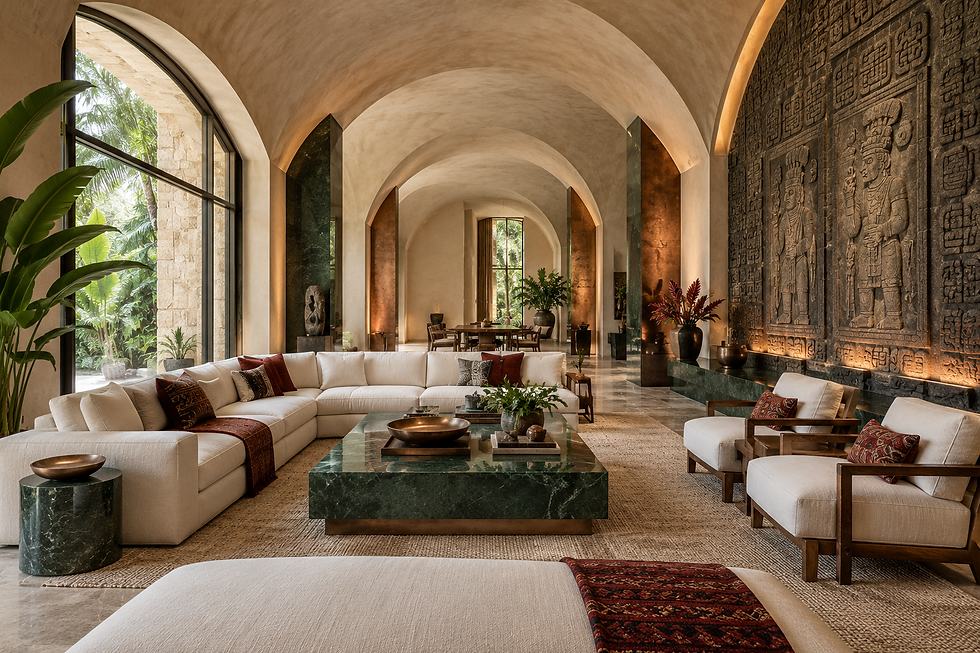
Comments