


Residential Interior Designer in Miami, Florida: Luxe Interior Design — A Designer’s Guide to Comfort and Character

Updated: 6 days ago
Luxe Interior Design: a Miami Residential Design Vision
Getting luxe interior design right takes more than good intentions on paper. For a Miami property, Custom Construction Company develops this element around the actual architecture, room dimensions, waterfront or urban exposure, owner priorities, and long-term maintenance requirements, creating a refined result that is functional, buildable, cohesive, and specific to the home rather than a copied decorative formula.
A Focused Explanation of Luxe interior design
Luxe interior design is not simply a phrase placed throughout an article; it describes a specific design problem that must be understood, planned, detailed, purchased, built, and experienced. In this post, luxe interior design refers directly to the custom residence and to the decisions that shape daily routines, privacy, relaxation, family life, entertaining, storage, display, and movement between rooms. Custom Construction Company studies the property, the people using it, the architecture, the Miami environment, and the desired level of luxury before recommending products. This keeps luxe interior design tied to a real residential outcome instead of generic inspiration. Every selection must contribute to function, atmosphere, durability, and a coherent visual identity.
The planning foundation of luxe interior design begins with layouts, focal points, furniture, millwork, lighting, textiles, art, accessories, circulation, views, and transitions. Dimensions, clearances, sightlines, human reach, movement, privacy, and connections to adjoining areas are resolved before decorative purchases dominate the conversation. Our design team uses plans, elevations, samples, and visualization to test these relationships. That process allows luxe interior design to feel spacious and natural even when the footprint is limited. It also protects the client from attractive objects that do not fit, poorly placed focal points, conflicting door or drawer movements, and field changes that weaken craftsmanship or increase cost.
Materials give luxe interior design its physical character. Relevant choices include natural stone, carefully selected wood grain, tile, plaster, metal, glass, wool, linen, velvet, leather, and custom-crafted finishes. We examine color, undertone, texture, grain or vein direction, hardness, moisture response, ultraviolet exposure, cleaning, repairability, edge treatment, lead time, and how separate materials meet. For luxe interior design, an expensive surface must do more than look impressive on installation day. It should suit its location, feel appropriate to the hand and body, age in a way the owner accepts, and remain serviceable. Samples are reviewed under project lighting because Miami daylight and warm evening illumination can reveal very different qualities.
The technical performance of luxe interior design depends upon space planning, lighting, acoustics, climate, power, technology, storage, procurement, installation, and long-term maintenance. These elements are coordinated with the visible design rather than added after the room has been composed. Custom Construction Company considers access for future service, installation tolerances, trade sequencing, manufacturer requirements, and the points where architecture, furnishings, and building systems intersect. This is a defining difference between professional luxe interior design and superficial styling. The finished area appears calm because complicated decisions were anticipated. Comfort, reliability, and visual precision become parts of the same design standard.
Historically, luxe interior design can draw intelligent lessons from architecture, decorative arts, regional craft, furniture making, material culture, and evolving ideas of domestic life. We use history as a source of proportion, ritual, craft, symbolism, material knowledge, and human experience—not as a reason to copy a period room. A classical influence may appear through symmetry or carved detail; a modern influence may appear through clarity, reduced joints, and integrated technology. In every case, luxe interior design is edited to belong to the client and the Miami residence. This approach creates depth and originality while avoiding a showroom result assembled from unrelated trends.

Visual reading — image 1: Italy-inspired Milan Terrazzo Atelier House living room with emerald mohair and oxblood lacquer. Architecturally, the composition establishes hierarchy through massing, scale, circulation, daylight, and material contrast. Its historical reading comes from proportion, craft, and regional response; the image interprets precedent without copying it. From an engineering and construction standpoint, the visible forms require coordinated structure, waterproofing, drainage, mechanical and electrical clearances, finish transitions, and installation tolerances. This explanation reconnects the visual proposal to how the place would be documented, built, inspected, and maintained.
A sweeping terrazzo floor anchors this double-height living room, its black, cream, and warm tan stone chips set into pale concrete in the same speckled tradition that has floored Milanese palazzos for centuries, here scaled up to a grand, modern proportion. A deep emerald velvet sofa curves in a long, unbroken arc across the room, its plush pile fabric chosen for a material that photographs rich and reads even richer in person, softened at one end by a boucle armchair in warm ivory. Overhead, a sculptural brass pendant fixture hangs at an angle, its slender rods and orbital globes a clear reference to the postwar Italian lighting design that Milan itself helped define. A curved wall of fluted glass separates the living room from an adjoining dining space without fully closing it off, letting light pass through in soft, rippled bands while still giving each room its own sense of enclosure. Warm plaster walls in soft ivory rise a full two stories, punctuated by a sweeping staircase whose curved white balustrade mirrors the room's larger architectural language of soft, rounded geometry over hard angles. A potted olive tree stands beside the sofa, its silvery leaves a quiet, living nod to the Mediterranean landscape just outside the floor-to-ceiling glass. Beyond that glass, a waterfront skyline and palm-lined terrace are visible, and the room is oriented so this view remains the natural focal point regardless of where one sits. The color palette, deep emerald, warm cream, and brushed brass, is a considered, jewel-toned update on classic Milanese design rather than a literal period reproduction. There is real intelligence in the terrazzo's scale, larger aggregate chips chosen deliberately so the floor reads as bold pattern from across the room rather than fine texture underfoot. The happiness built into this space is social and expansive, a room genuinely sized for gathering rather than a formal space reserved for rare occasions. There is love evident in the sheer craft the terrazzo floor represents, a technique that requires the stone to be poured, ground, and polished in place rather than simply installed as tile. This is a home for a family already arrived at a life of considered design fluency, evident in how confidently mid-century Italian references are handled without ever feeling like a theme. Every material was chosen for longevity, terrazzo and brass both age by developing character rather than wearing out. The reasoning behind the curved fluted glass partition is one of openness without exposure, allowing the living and dining rooms to share light and volume while each still holds its own identity. It is a room that manages to feel both museum-grand and genuinely lived in, which is the harder design problem to solve.
The intended atmosphere of luxe interior design is coherent, comfortable, distinctive, welcoming, luxurious, and deeply connected to the owner. Atmosphere is produced by measurable choices: the warmth and direction of light, the softness or resonance of surfaces, the spacing between furnishings, the visual weight of stone and wood, the movement of curtains or greenery, acoustic privacy, scent, temperature, and the sequence of arrival. Custom Construction Company uses these elements to make luxe interior design emotionally persuasive. The owner should feel that daily life has become easier, more beautiful, and more intentional, while guests experience hospitality and craftsmanship without seeing the effort behind the composition.
Durability within luxe interior design requires an honest understanding of materials. Wood hardness does not make unsealed edges immune to moisture; strong stone can still etch or contain natural fissures; luxurious fabric can require protection from direct sun; plated metal may age differently from solid material; and sophisticated technology still needs accessible controls and replacement planning. Our design team explains these distinctions before purchasing. That education makes luxe interior design valuable because the client understands expected maintenance, likely patina, warranty considerations, cleaning methods, and the practical reasons behind each recommendation.
Custom Construction Company turns luxe interior design into a coordinated residential service through consultation, programming, design concepts, spatial studies, material palettes, custom furniture or millwork development where appropriate, lighting intent, specifications, purchasing guidance, construction coordination, installation review, and final decoration. The exact scope follows the property and client. The purpose is consistent: luxe interior design should become a fully considered part of the residence, sell the quality visible in the design, and give the homeowner a marvelous lived experience that supports comfort, confidence, celebration, beauty, and long-term enjoyment.
Luxe Interior Design becomes valuable when it is treated as a complete residential experience instead of a collection of fashionable objects. Our design team approaches luxe interior design through Architecture, decoration, comfort, etiquette and project coordination, creating a Miami home that feels personal, composed, luxurious and ready for everyday life. Miami residences give luxe interior design a distinctive setting of intense sun, tropical greenery, water views and active hospitality. Our design team evaluates glare, humidity, durability and maintenance while composing lacquer, parchment and richly figured veneers. These practical choices protect the expensive finish standard and keep the interior gracious throughout changing seasons and social occasions. Custom service makes luxe interior design specific to the client instead of generic. Our design team translates personal collections, preferred rituals and goals for formal entertaining into layouts, elevations, palettes and specifications. Review points keep choices understandable, while professional coordination preserves artful contrast from concept through installation and final styling. Technology within luxe interior design should support the room without visually dominating it. Our design team can coordinate concealed lighting controls, motorized drapery, climate comfort, charging, audio and adaptable scenes around silk velvet, embroidered linen and tailored passementerie. Thoughtful infrastructure lets the residence evolve while the Royal Classic atmosphere remains calm, polished and enduring.
For our design team, luxe interior design begins with disciplined glamour and a clear understanding of how the owners want to live. The design team studies views, daylight, movement, privacy and music and conversation, then shapes an expensive residential composition with quartzite, limestone and polished plaster. Every decision supports beauty, comfort and coherent custom construction. A refined interpretation of luxe interior design should feel intentional from the first arrival to the most private room. Our design team balances warm hospitality with quiet luxury, coordinating gilded carving, fluted wood and sculptural metalwork so transitions remain elegant. This disciplined method creates atmosphere without clutter and gives each residential detail a practical reason to exist. The luxury of luxe interior design is experienced through touch, scale, sound and light. Our design team considers how custom rugs, crystal lighting and artisan glass will age, how guests gather for seasonal celebration, and how daily routines move through the plan. The result is richly layered, comfortable and unmistakably tailored to the residence. Successful luxe interior design requires more than selecting attractive finishes. Our design team documents proportions, furniture clearances, lighting intent, material junctions and installation priorities while protecting future-ready flexibility. Coordinated decisions reduce visual conflict and allow artisans, contractors and suppliers to contribute to one sophisticated residential language.
When developing luxe interior design, our design team creates hierarchy through focal moments and quieter supporting backgrounds. Book-Matched Marble, Hand-Finished Walnut And Patinated Bronze can establish character, while controlled color and architectural continuity preserve calm. The room remains entertaining and expressive, yet its elegance comes from balance, editing and exact relationships rather than excess.
Architecture, Proportion and Procession: Luxe Interior Design

Visual reading — image 2: Italy-inspired Milan Terrazzo Atelier House dining room with emerald mohair and oxblood lacquer. Architecturally, the composition establishes hierarchy through massing, scale, circulation, daylight, and material contrast. Its historical reading comes from proportion, craft, and regional response; the image interprets precedent without copying it. From an engineering and construction standpoint, the visible forms require coordinated structure, waterproofing, drainage, mechanical and electrical clearances, finish transitions, and installation tolerances. This explanation reconnects the visual proposal to how the place would be documented, built, inspected, and maintained.
A dark, glossy marble table sits on a sculptural cylindrical base at the center of this dining room, its black stone surface reflecting the warm brass pendant chandelier suspended above it like a small constellation of glass globes. Deep forest-green velvet chairs, upholstered in a plush, tactile fabric chosen for how it catches candlelight, surround the table in a considered contrast against the marble's cool, polished black. Terrazzo flooring continues from the adjoining living room, its cream and tan stone chips grounding the dining space in the same material language used throughout the home rather than treating it as a separate, disconnected room. One full wall is finished in deep burgundy lacquer, a bold, glossy red that reads almost black in low light and gold-flecked when the pendant chandelier catches it directly, a dramatic color choice drawn from the same rich, saturated palette found in Milanese fashion houses. A large abstract painting in charcoal and cream hangs above the lacquer credenza, its loose, gestural brushwork adding an artistic, collected quality to a room that could otherwise read as purely formal. Fresh olive branches sit in a slender bronze vase at the table's center, their silvery-green leaves a soft, living counterpoint to all the polished, reflective surfaces surrounding them. The reasoning behind pairing a black marble table with burgundy lacquer walls is one of controlled drama, two deeply saturated materials that read as sophisticated rather than heavy because everything else in the room, the terrazzo, the brass, stays lighter and cooler. There is real intelligence in the pendant cluster's height, hung low enough to cast intimate, usable light directly over the table without a single globe interrupting the sightline across it. The happiness this room is built for is social and unhurried, long dinners meant to stretch late under warm, glowing light reflected endlessly off the black marble surface. There is genuine love in the marble base's sculptural shaping alone, a level of stone fabrication that only happens when a family is fully invested in a single striking centerpiece. This is a home for a family already settled into a confident, adult relationship with bold color and material contrast, not one still testing the waters. Every surface was chosen for how it would age, lacquer and marble and brass all developing deeper character with years of candlelight and use rather than fading. The color palette throughout, black marble, burgundy lacquer, forest velvet, and brass, is a specifically Milanese kind of luxury, jewel-toned and unapologetically saturated. Every chair was positioned with the pendant cluster's light pattern in mind, so no seat at the table ever falls into shadow during a shared meal. It is a dining room that treats bold color as a form of hospitality rather than intimidation, warm rather than cold despite how dark its palette runs.
Our design team translates personal collections, preferred rituals and goals for music and conversation into layouts, elevations, palettes and specifications. our design team can coordinate concealed lighting controls, motorized drapery, climate comfort, charging, audio and adaptable scenes around quartzite, limestone and polished plaster. The design team studies views, daylight, movement, privacy and seasonal celebration, then shapes an expensive residential composition with gilded carving, fluted wood and sculptural metalwork. our design team balances warm hospitality with quiet luxury, coordinating custom rugs, crystal lighting and artisan glass so transitions remain elegant. our design team considers how lacquer, parchment and richly figured veneers will age, how guests gather for private retreat, and how daily routines move through the plan. Silk Velvet, Embroidered Linen And Tailored Passementerie can establish character, while controlled color and architectural continuity preserve calm. our design team evaluates glare, humidity, durability and maintenance while composing quartzite, limestone and polished plaster. When service scope is defined, the design team studies views, daylight, movement, privacy and private retreat, then shapes an expensive residential composition with custom rugs, crystal lighting and artisan glass. For private routines, our design team considers how book-matched marble, hand-finished walnut and patinated bronze will age, how guests gather for formal entertaining, and how daily routines move through the plan. Quartzite, Limestone And Polished Plaster can establish character, while controlled color and architectural continuity preserve calm. During evening use, our design team evaluates glare, humidity, durability and maintenance while composing gilded carving, fluted wood and sculptural metalwork.
When guests arrive, the design team studies views, daylight, movement, privacy and formal entertaining, then shapes an expensive residential composition with lacquer, parchment and richly figured veneers.
Materials for Luxe Interior Design: Stone and Mineral Character
For future adaptability, our design team balances warm hospitality with quiet luxury, coordinating book-matched marble, hand-finished walnut and patinated bronze so transitions remain elegant. At full residential scale, our design team considers how silk velvet, embroidered linen and tailored passementerie will age, how guests gather for music and conversation, and how daily routines move through the plan. Gilded Carving, Fluted Wood And Sculptural Metalwork can establish character, while controlled color and architectural continuity preserve calm. Through measured documentation, our design team evaluates glare, humidity, durability and maintenance while composing custom rugs, crystal lighting and artisan glass. When craft quality matters, our design team balances warm hospitality with quiet luxury, coordinating silk velvet, embroidered linen and tailored passementerie so transitions remain elegant. For climate resilience, our design team considers how quartzite, limestone and polished plaster will age, how guests gather for seasonal celebration, and how daily routines move through the plan. Custom Rugs, Crystal Lighting And Artisan Glass can establish character, while controlled color and architectural continuity preserve calm. For our design team, luxe interior design begins with tailored comfort and a clear understanding of how the owners want to live.
Walnut, Oak and Sculpted Millwork: Luxe Interior Design
Lacquer, Parchment And Richly Figured Veneers can establish character, while controlled color and architectural continuity preserve calm. During client approval, our design team evaluates glare, humidity, durability and maintenance while composing book-matched marble, hand-finished walnut and patinated bronze. At project completion, our design team evaluates glare, humidity, durability and maintenance while composing silk velvet, embroidered linen and tailored passementerie. our design team balances architectural continuity with sensory richness, coordinating lacquer, parchment and richly figured veneers so transitions remain elegant. our design team documents proportions, furniture clearances, lighting intent, material junctions and installation priorities while protecting lasting craftsmanship. From a planning standpoint, the design team studies views, daylight, movement, privacy and music and conversation, then shapes an expensive residential composition with book-matched marble, hand-finished walnut and patinated bronze.
Art, Sculpture and Collected Objects: Luxe Interior Design
At the material level, our design team considers how custom rugs, crystal lighting and artisan glass will age, how guests gather for formal entertaining, and how daily routines move through the plan. Book-Matched Marble, Hand-Finished Walnut And Patinated Bronze can establish character, while controlled color and gracious circulation preserve calm. Review points keep choices understandable, while professional coordination preserves sensory richness from concept through installation and final styling.

Visual reading — image 3: Italy-inspired Milan Terrazzo Atelier House kitchen with emerald mohair and oxblood lacquer. Architecturally, the composition establishes hierarchy through massing, scale, circulation, daylight, and material contrast. Its historical reading comes from proportion, craft, and regional response; the image interprets precedent without copying it. From an engineering and construction standpoint, the visible forms require coordinated structure, waterproofing, drainage, mechanical and electrical clearances, finish transitions, and installation tolerances. This explanation reconnects the visual proposal to how the place would be documented, built, inspected, and maintained.
A dramatic slab of dark, veined marble wraps this kitchen island in a full waterfall edge, its pale gray striations running continuously from countertop to floor in one unbroken sheet of stone. Terrazzo flooring in cream, black, and warm tan continues seamlessly from the rest of the home, tying the kitchen into the same material story found in the living and dining rooms rather than treating it as a purely utilitarian space. Cabinetry finished in deep burgundy lacquer lines the perimeter, its glossy, saturated red-black adding real drama to a room that could otherwise lean purely neutral, and echoing the same bold lacquer wall found in the adjoining dining room. A built-in glass-fronted wine cabinet keeps the collection visible, a small design choice that speaks to a household confident enough to put its cellar on display rather than hidden behind solid doors. Warm walnut accents appear in the open shelving and lower cabinetry, their reddish-brown grain chosen specifically to soften the cooler black marble and glossy burgundy surrounding it. Brass fixtures, the faucet, the cabinet pulls, the pendant hardware, add a warm metallic thread that runs consistently through every other room in the home. Fresh fruit sits out in a low bowl on the island, and cutting boards and everyday vessels are arranged with real intention rather than staged for a photograph, small details confirming this kitchen is genuinely cooked in. The reasoning behind pairing black marble with burgundy lacquer here mirrors the dining room directly, a deliberate, considered continuity of palette that makes the whole ground floor read as one designed idea rather than a series of separate rooms. There is real intelligence in the terrazzo's placement, a single continuous floor material that visually stitches the open kitchen, dining, and living spaces into one coherent volume despite their distinct functions. The happiness built into this room is the specific, everyday kind, morning coffee at the island with light glancing off polished black stone rather than a formal entertaining occasion. There is love in the sheer material ambition here, a marble this dramatic paired with lacquer this saturated represents real investment in getting the details exactly right. This is a home for a family already arrived at a life where the kitchen can be this considered without ever feeling like overreach for its own sake. Every surface was chosen for durability under daily use, stone and lacquer both built to withstand heat, water, and years of family meals. The palette throughout stays disciplined, black, burgundy, walnut, and brass, never introducing a new color that would break the continuity established elsewhere in the home. It is a kitchen that proves restraint and drama are not opposites when the material choices are this considered.
Entertaining, Dining and Conversation: Luxe Interior Design
Entertaining, Dining and Conversation: Luxe Interior Design is an essential part of luxe interior design because it connects the visual concept to proportion, circulation, material performance, lighting, comfort, and the way the residence is experienced every day. For a Miami property, Custom Construction Company develops this element around the actual architecture, room dimensions, waterfront or urban exposure, owner priorities, and long-term maintenance requirements, creating a refined result that is functional, buildable, cohesive, and specific to the home rather than a copied decorative formula.
Our design team balances gracious circulation with artful contrast, coordinating quartzite, limestone and polished plaster so transitions remain elegant.
Budget, Procurement and Craftsmanship: Luxe Interior Design
Clients considering luxe interior design can begin by sharing the property address, approximate square footage, rooms, available plans, preferred schedule and investment priorities. Our design team can then define an appropriate written scope for Residential Interior Design, decoration, visualization, documentation, procurement coordination and construction support, creating a luxurious path from first conversation to finished home.
Explore Our Studio Team Services and Miami Design Areas
Our design team develops luxe interior design for luxury houses, condos, penthouses and waterfront residences throughout South Miami, Coral Gables, Fisher Island, Surfside, Golden Beach, and Doral. Each location is treated through its Architecture, daylight, views, privacy, climate, entertaining traditions and the owner's individual standard of comfort. Continue through the Previous 360 Party design study: Interiors By Design Or discover the Next 360 Party design study: Luxe Interiors Explore the Residential Interior Design Miami collection And the Interior Design Styles library For complementary planning, materials and decoration guidance. Related our design team resources: Custom Residential Interior Design Services , Luxury project portfolio , And The Miami Residential Interior Design hiring guide . Rugs, lined drapery, upholstered forms, acoustic backing, books, wood profiles, and discreet ceiling treatments can soften sound without sacrificing luxury. In this complete Miami residence, the design team examines quartzite, oak, wool, leather, and artisan glass in relation to seasonal entertaining beside the Miami landscape, so visual ambition is supported by use, climate, and construction reality. Our design team also coordinates speaker locations, equipment ventilation, wiring paths, and listening zones with technology consultants.
Through three-dimensional visualization and construction coordination, our design team converts the lesson into drawings, selections, samples, pricing information, and coordinated decisions the client can review and purchase with confidence. The home becomes better for conversation, sleep, films, music, celebrations, and private concentration. Applied specifically to luxe interior design, this approach gives the visitor practical criteria for comparing options: proportion, performance, sensory character, installation difficulty, maintenance, lead time, and contribution to the total property. The goal is an interior that feels inspirational on arrival and remains intelligent after years of daily use. Clients who want this level of direction can select the relevant our design team service button below to request a private consultation, establish scope, and move from reading about luxe interior design to commissioning a custom residential solution in Miami. In this complete Miami residence, the design team examines marble, mahogany, silk velvet, patinated metal, and woven fiber in relation to formal dinners and relaxed celebrations, so visual ambition is supported by use, climate, and construction reality. Our design team studies these requirements alongside scent, texture, greenery, water, and views so wellness does not feel clinical.
Through space planning and architectural coordination, our design team converts the lesson into drawings, selections, samples, pricing information, and coordinated decisions the client can review and purchase with confidence. The service creates rooms that restore energy, support routines, and remain gracious for residents and guests of different ages. For luxe interior design, a successful installation plan sequences protection removal, cleaning, furniture placement, art, accessories, flowers, lighting scenes, and final photography. For luxe interior design, a room feels complete when its practical controls are reachable, its pathways are clear, its light is flattering, and every major object has visual purpose. For luxe interior design, stone joints become part of the composition when they align with cabinetry, thresholds, plumbing centers, and major sight lines.

Visual reading — image 4: Italy-inspired Milan Terrazzo Atelier House primary bedroom with emerald mohair and oxblood lacquer. Architecturally, the composition establishes hierarchy through massing, scale, circulation, daylight, and material contrast. Its historical reading comes from proportion, craft, and regional response; the image interprets precedent without copying it. From an engineering and construction standpoint, the visible forms require coordinated structure, waterproofing, drainage, mechanical and electrical clearances, finish transitions, and installation tolerances. This explanation reconnects the visual proposal to how the place would be documented, built, inspected, and maintained.
A wall of polished teal-green onyx anchors this primary bedroom, its dramatic, glowing veining chosen specifically as a bold focal point against an otherwise warm, neutral room. Deep burgundy lacquer wardrobes line the opposite wall, their glossy, saturated finish echoing the same rich color found throughout the home's dining and kitchen spaces, proof the palette was planned as a single continuous idea. The bed itself is upholstered in soft emerald-green velvet, its plush, tactile fabric chosen to feel indulgent against skin while visually bridging the onyx wall and the room's warmer neutral bedding. Terrazzo flooring extends from the rest of the home into the bedroom, its cream and tan stone chips grounding even this most private room in the same material language used everywhere else in the house. Warm ivory linens and a soft taupe throw layer the bed in natural, breathable fiber, chosen for comfort and for how gracefully these materials soften with repeated washing over years of use. Beyond floor-to-ceiling glass, an ocean and skyline view stretches toward the horizon, and the whole room is oriented so this view becomes the first and last thing seen each day. Brass hardware and slender reading lamps warm the room's cooler stone surfaces, their metal finish picked specifically to bridge the onyx and the burgundy without letting either material overwhelm the space. The reasoning behind pairing teal onyx with burgundy lacquer is one of controlled, jewel-toned contrast, two saturated materials balanced by enough warm neutral space around them that the room never feels crowded by color. There is real intelligence in the layout, the onyx wall positioned directly opposite the bed so its dramatic veining is the first thing seen each morning rather than a feature glimpsed only in passing. The happiness engineered into this space is deeply personal, the specific comfort of a private retreat where every material was chosen for touch and mood rather than for how it might read to a visitor. There is love evident in the onyx slab selection alone, a level of stone sourcing that only happens when a family is genuinely invested in a single, dramatic gesture. This is a home for a family already settled into a confident, considered life, not one still assembling the pieces of it. Every material was chosen to age with warmth, velvet and linen softening, onyx and lacquer deepening in color under years of natural light. The color palette, teal onyx, burgundy lacquer, and emerald velvet, is unmistakably Milanese in its saturation and confidence. It is a bedroom that treats rest as something worth this much material courage, and the result feels both bold and genuinely calm.
Technology That Disappears into the Design for Luxe Interior Design
Visible devices should be placed deliberately rather than scattered after completion. For long-term performance, in this complete Miami residence, the design team examines travertine, ash, cotton, suede, and softly polished brass in relation to quiet weekday routines, so visual ambition is supported by use, climate, and construction reality. Our design team integrates consultants, cabinetry, reflected ceiling plans, equipment access, and control locations while preserving serviceability. Through custom millwork and furniture design, our design team converts the lesson into drawings, selections, samples, pricing information, and coordinated decisions the client can review and purchase with confidence. Technology then supports comfort and hospitality quietly, without dominating the visual language. For luxe interior design, a calm palette still needs contrast in value, texture, scale, and reflectivity so the room remains legible and emotionally rich. For luxe interior design, kitchen beauty lasts when appliance clearances, landing zones, ventilation, task light, drawer organization, counter seams, and cleaning habits shape the design. For luxe interior design, a useful contingency recognizes concealed conditions, field adjustments, freight changes, replacement pieces, and final corrective work without weakening the core design.
It should distinguish construction, custom fabrication, decorative purchasing, professional services, logistics, contingency, taxes, and items with unusually long lead times. When hospitality matters, in this complete Miami residence, the design team examines limestone, walnut, linen, bronze, and hand-finished plaster in relation to private restoration and focused work, so visual ambition is supported by use, climate, and construction reality. Our design team compares alternatives by visual importance, durability, labor consequences, maintenance, and replacement risk rather than choosing the cheapest line item. Through lighting, material, and color development, our design team converts the lesson into drawings, selections, samples, pricing information, and coordinated decisions the client can review and purchase with confidence. Clients can invest heavily where craft changes the experience and simplify secondary areas without making the residence feel inconsistent. For luxe interior design, ceiling height feels intentional when fixture scale, crown depth, door proportion, drapery height, wall divisions, and furniture mass share a visual logic. For luxe interior design, the final styling phase should edit as rigorously as it adds, allowing Architecture, art, textiles, and personal objects to hold distinct roles. For luxe interior design, a sofa should be evaluated through seat height, depth, pitch, cushion recovery, arm support, fabric behavior, and its relationship to nearby tables.
Documentation, Permits, and Coordination for Luxe Interior Design
Structural, mechanical, electrical, plumbing, fire, permit, and building requirements may influence an interior decision. Under Miami conditions, in this complete Miami residence, the design team examines quartzite, oak, wool, leather, and artisan glass in relation to family life and multigenerational visits, so visual ambition is supported by use, climate, and construction reality. Our design team coordinates design intent with the wider project team, records approvals, resolves conflicts, and helps translate selections into buildable information. Through decoration, procurement, and installation management, our design team converts the lesson into drawings, selections, samples, pricing information, and coordinated decisions the client can review and purchase with confidence. This reduces improvisation in the field and gives the client a more predictable path from inspiration to completion. For luxe interior design, furniture plans should protect direct walking routes while allowing intimate conversation distances and uninterrupted views toward art or landscape. For luxe interior design, mockups let clients approve proportion and craftsmanship before repeated elements multiply a small mistake throughout the property. For luxe interior design, color temperature should remain coordinated across visible spaces because conflicting white light can make carefully selected materials appear unrelated.
Hard floors, glass walls, tall ceilings, and open rooms can amplify reverberation. Rugs, upholstery, lined drapery, books, acoustic backing, perforated panels, soft wall treatments, and carefully located speakers can improve clarity without making the room look technical. Privacy between bedrooms, bathrooms, offices, and entertaining spaces also requires attention to doors, partitions, penetrations, and mechanical noise. Applied to luxe interior design, this analysis becomes part of a documented Miami residential design decision. The recommendation is tested against the household brief, verified dimensions, approved investment, project schedule, neighboring finishes, and maintenance expectations. The service value lies in connecting these requirements before purchasing or construction, then communicating the approved solution clearly to clients, fabricators, installers, and contractors. Sleep quality responds to acoustic privacy, blackout control, mattress support, reading light, charging, temperature, air movement, nighttime circulation, storage, and reduced glare. Bed placement should consider doors, windows, views, symmetry, and personal routines. Materials can then create calm through touch, color, scent, and controlled reflection. Before fabrication approval, millwork shop drawings should be compared with field measurements and appliance data before approval because small dimensional conflicts can affect entire elevations. For purchasing accountability, a room-by-room procurement log should connect each item to approval status, deposit, balance, production milestone, freight, receiving inspection, storage, and installation. At the window wall, drapery specifications should coordinate track recesses, motor access, pocket dimensions, stack-back, fullness, lining, hems, floor clearance, power, and control locations.
Finish Mockups: Luxe Interior Design
Full-size mockups expose color shifts, grout width, edge profiles, sheen, pattern alignment, shadow gaps, lighting effects, and workmanship standards before installation multiplies a mistake. Approvals should record the exact sample, substrate, application method, and acceptable variation. This process is especially valuable for natural stone, plaster, metal patina, stained wood, and complex textile combinations. Where floor materials meet, floor transitions should be detailed before installation so thickness changes, movement joints, door clearances, thresholds, pattern centers, and accessible routes remain resolved. Under the completed ceiling, decorative lighting should be evaluated at actual scale because ceiling height, table size, viewing angle, suspension length, and nearby Architecture change its presence. For everyday reach, bathroom accessory locations should be tested with real reach dimensions and door positions rather than placed symmetrically on drawings without reference to use. Professional procurement includes quotations, deposits, approvals, samples, shop drawings, production tracking, freight, receiving, inspection, storage, delivery access, assembly, placement, and deficiency resolution. Lead times should be connected to construction milestones and client decision dates. Clear records protect the budget and reveal risks before they affect installation. Inside active work zones, kitchen hardware and drawer layouts should follow cooking and cleaning routines, allowing frequently used tools to remain accessible without overcrowding visible counters. Where collections are displayed, art walls should include verified blocking, fixture aiming, climate considerations, security needs, framing depth, and flexibility for future collection changes. Before delivery day, a delivery survey should document elevator limits, turning radii, gate dimensions, stair conditions, protection requirements, parking, permits, and allowable working hours.

Visual reading — image 5: Italy-inspired Milan Terrazzo Atelier House art and listening salon with emerald mohair and oxblood lacquer. Architecturally, the composition establishes hierarchy through massing, scale, circulation, daylight, and material contrast. Its historical reading comes from proportion, craft, and regional response; the image interprets precedent without copying it. From an engineering and construction standpoint, the visible forms require coordinated structure, waterproofing, drainage, mechanical and electrical clearances, finish transitions, and installation tolerances. This explanation reconnects the visual proposal to how the place would be documented, built, inspected, and maintained.
Deep emerald velvet curves along one wall of this art and listening salon, a long, low sofa shaped without a single hard angle, upholstered in the same rich, plush fabric found throughout the home's more formal rooms. Terrazzo flooring in cream, black, and warm tan continues underfoot, its speckled pattern grounding a room otherwise defined by soft curves and quiet, considered display. A series of arched wall niches, each individually lit, hold sculptural stone and ceramic objects, small curated pieces displayed the way a gallery would treat its most valued holdings rather than tucked away on an open shelf. A vintage-inspired record player and a freestanding speaker sit on a low burgundy lacquer credenza, the room's material and cultural nod to Milan's deep design and audio heritage made explicit rather than merely implied. A large abstract painting in charcoal and cream hangs above that same credenza, its loose, expressive brushwork adding a genuinely collected, personal quality to the room. A curved wall of fluted glass separates this salon from the adjoining entry hall, letting soft, rippled light pass through while still giving the room its own quiet sense of enclosure. Fresh olive greenery in a low bronze vase sits on the coffee table, a small living note against all the room's considered, static display pieces. The reasoning behind the arched niche display is architectural as much as decorative, built directly into the wall so each object reads as permanent and intentional rather than staged for a single photograph. There is real intelligence in how the room is zoned without walls, sofa and niches on one side for quiet looking, record player and credenza on the other for quiet listening, the terrazzo floor the only element unifying both halves. The happiness this room is built for is solitary and restorative, a private space for music and art appreciation away from the more social rooms elsewhere in the home. There is genuine love in the object curation alone, each niche holding a single considered piece rather than a crowded collection, the mark of a family that edits rather than accumulates. This is a home for a family already arrived at a life where a dedicated room for art and music is simply how they live, not an occasional indulgence. Every material, velvet, terrazzo, lacquer, glass, was chosen for how it would feel in low light during a long evening of listening rather than how it would read in bright daylight. The color palette, emerald, burgundy, cream, and stone, is restrained here compared to the home's more dramatic rooms, a deliberate quieting to let the art and the music take precedence. It is a salon that treats slow, solitary pleasure as worthy of its own dedicated, beautifully considered room.
Material Interface is especially important for luxe interior design in a Miami residence. The design team records the relevant dimensions, adjacent finishes, operating clearances, environmental exposure, fabrication tolerances, maintenance access, purchasing status, and responsible trade before approval. This turns an attractive idea into a coordinated decision that can be priced, built, inspected, cleaned, repaired, and enjoyed without relying on assumptions. Clients benefit because visual quality, technical performance, schedule, and investment are considered together. Drawings, samples, written selections, and site observations provide a traceable standard for the contractor and fabricator while giving the homeowner a clear basis for acceptance. The resulting service is educational as well as practical: it explains why the recommendation matters, what alternatives were reviewed, how the choice supports the whole property, and which future care will preserve its value.
Continue Your luxe interior design Project With Our Miami Studio
For Miami homeowners researching home decor ideas, this Luxe Interior Design guide connects design inspiration with practical planning, material selection, comfort, construction coordination, and professional residential service.
To turn luxe interior design into a fully coordinated Miami residence, explore our Residential Interior Design service and project-selection page , review our Interior Decoration service and purchasing options , or contact our Miami team to begin a private project . These internal paths connect the design guidance directly to our services, selections, and next steps needed to commission the work.
Miami-Dade Service Area and Related Expertise
Within the context of “Re idential thi re idential de ign tudy, Florida: Luxe Interior De ign — A De igner’ Guide to Comfort and Character,” the design discussion connects measured layouts, finish samples, lighting studies, and furniture clearances. An interior designer in Miami would translate that focus into coordinated decisions about scale, circulation, materials, lighting, climate, engineering, and the way the household uses the rooms. The result is a more intelligent design conversation in which beauty, comfort, engineering, and construction support one another.
As a local residential case study, “Re idential Interior De igner in Miami, Florida: Luxe Interior De ign — A De igner’ Guide to Comfort and Character” clarifies the difference between a visual concept and a service that can be delivered responsibly. A local search for interior designer near me should lead to more than a directory result: it should clarify service area, experience, site responsiveness, design coordination, and the ability to carry the concept into a buildable residence. The article therefore supports both design inspiration and a practical way to evaluate a real service provider.
The residential idea in “Re idential Interior De igner in Miami, Florida: Luxe Interior De ign — A De igner’ Guide to Comfort and Character” also reveals how color, texture, furniture scale, artwork, and layered lighting. A search for interior decorators Miami, Florida should lead to more than a style label: it should connect color, texture, furniture, artwork, lighting, room proportion, material performance, and the client’s daily experience rather than treating decoration as an afterthought. That is what turns decoration into a coherent residential environment rather than a collection of attractive objects.
A refined residential concept begins with more than a pleasing image; it depends on proportion, material performance, climate awareness, and a practical plan for living. In Residential Interior Designer in Miami, Florida: Luxe Interior Design — A Designer’s Guide to Comfort and Character, the design intent should be read as a sequence of decisions rather than as a collection of isolated objects. For local readers, interior decorator Miami is shorthand for finding a professional who can translate personal priorities into a coherent furniture plan, finish schedule, lighting strategy, and installation process. Engineering matters as much as appearance here, because humidity control, daylight, acoustics, electrical coordination, and installation tolerances determine whether the design remains beautiful after completion. The value is in that continuity: the home looks distinctive, but it also feels easy to inhabit and dependable over time.
The subject of this article also benefits from a coordinated design-build perspective, so the atmosphere feels intentional from the entry sequence through the private rooms. In Residential this design topic in Miami, Florida: Luxe Interior Design — A Designer’s Guide to Comfort and Character, the design intent should be read as a sequence of decisions rather than as a collection of isolated objects. For local readers, interior designer is shorthand for finding a professional who can translate personal priorities into a coherent furniture plan, finish schedule, lighting strategy, and installation process. It also means selecting upholstery, casework, stone, metals, and textiles according to maintenance, tactile quality, color stability, and the long-term character they will bring to the home. The final design should therefore feel authored without feeling forced, and luxurious without losing the warmth that makes a residence feel like home.
This design direction is rooted in the belief that luxury should be felt through comfort, craftsmanship, and quiet coherence rather than through unnecessary visual noise. In Residential Interior Designer in Miami, Florida: Luxe Interior Design — A Designer’s Guide to Comfort and Character, the design intent should be read as a sequence of decisions rather than as a collection of isolated objects. For local readers, interior designers Miami, Florida is shorthand for finding a professional team that can translate personal priorities into a coherent furniture plan, finish schedule, lighting strategy, and installation process. The result should read as comfortable and collected, with organic forms where the body needs support and crisp geometry where the architecture benefits from definition. In practice, this is how a polished visual direction becomes a durable and comfortable South Florida interior rather than a temporary image.
For a Miami residence, the most persuasive design work balances a calm visual language with details that perform well in bright sun, humidity, and everyday family life. In Residential Interior Designer in Miami, Florida: Luxe Interior Design — A Designer’s Guide to Comfort and Character, the design intent should be read as a sequence of decisions rather than as a collection of isolated objects. For local readers, interior decorator near me is shorthand for finding a professional team that can translate personal priorities into a coherent furniture plan, finish schedule, lighting strategy, and installation process. A thoughtful selection process protects the budget by distinguishing between elements that deserve investment, elements that need technical testing, and elements that can remain visually quiet. The goal is a residence with character that still feels calm, functional, and welcoming at every hour of the day.
This project is best evaluated as a complete experience, where architecture, furnishings, lighting, and durable finishes support one another. In Residential Interior Designer in Miami, Florida: Luxe Interior Design — A Designer’s Guide to Comfort and Character, the design intent should be read as a sequence of decisions rather than as a collection of isolated objects. For local readers, house designers near me is shorthand for finding a professional team that can translate personal priorities into a coherent home-planning approach, furniture plan, finish schedule, lighting strategy, and installation process. This approach keeps the work specific to the property: the view, the climate, the owners’ routines, and the construction details all influence the final atmosphere. This level of coordination is what allows the finished interior to feel expensive in the right way—through precision, material quality, and lasting comfort.
This project is best evaluated as a complete experience, where architecture, furnishings, lighting, and durable finishes support one another. In this South Florida design topic, Florida: Luxe Interior Design — A Designer’s Guide to Comfort and Character, the design intent should be read as a sequence of decisions rather than as a collection of isolated objects. For local readers, residential interior design Miami is shorthand for finding a professional team that can translate personal priorities into a coherent furniture plan, finish schedule, lighting strategy, and installation process. This approach keeps the work specific to the property: the view, the climate, the owners’ routines, and the construction details all influence the final atmosphere. This level of coordination is what allows the finished interior to feel expensive in the right way—through precision, material quality, and lasting comfort.
A refined residential concept begins with more than a pleasing image; it depends on proportion, material performance, climate awareness, and a practical plan for living. In this residential design topicer in Miami, Florida: Luxe Interior Design — A Designer’s Guide to Comfort and Character, the design intent should be read as a sequence of decisions rather than as a collection of isolated objects. For local readers, residential interior design services is shorthand for finding a professional team that can translate personal priorities into a coherent furniture plan, finish schedule, lighting strategy, and installation process. Engineering matters as much as appearance here, because humidity control, daylight, acoustics, electrical coordination, and installation tolerances determine whether the design remains beautiful after completion. The value is in that continuity: the home looks distinctive, but it also feels easy to inhabit and dependable over time.
For local readers, interior design companies Miami is a practical starting point for comparing teams that can coordinate concept development, space planning, material selections, documentation, and construction communication. The right partner should connect the design vision to the home's architecture, budget, approvals, and long-term comfort while keeping the process clear from first consultation through final installation.
For local readers, high-end residential interior design is a useful framework for comparing teams that can coordinate refined space planning, architectural detailing, material selections, lighting, furnishings, documentation, and construction communication. The strongest result connects the design vision to the home's architecture, budget, approvals, comfort, and long-term performance while keeping the process clear from first consultation through final installation.
For local readers, interior design companies near me is a practical starting point for comparing teams that can coordinate concept development, space planning, material selections, documentation, and construction communication. The right partner should connect the design vision to the home's architecture, budget, approvals, and long-term comfort while keeping the process clear from first consultation through final installation.
Service reference note — expansion batch K03. Professional service explanation — In this context, "interior designer near me" describes a service that begins with a documented understanding of the property and the client’s goals. A professional conversation about "interior designer near me" clarifies the project scope, priorities, schedule, budget, and decision-making process. The discovery phase for "interior designer near me" studies the existing building, the site conditions, circulation patterns, and the way each room should be used. A careful review of "interior designer near me" considers proportion, daylight, privacy, storage, accessibility, acoustics, and long-term comfort. The planning work behind "interior designer near me" translates the client’s lifestyle and operational needs into a coherent design brief. Material decisions for "interior designer near me" balance durability, maintenance, tactile quality, color, texture, and the architectural character of the residence. Furniture selected for "interior designer near me" is evaluated for scale, ergonomics, circulation clearance, comfort, and visual relationship to the room. Lighting developed for "interior designer near me" combines ambient, task, accent, and decorative layers so the finished spaces remain useful and welcoming. Documentation for "interior designer near me" coordinates dimensions, finishes, millwork, fixtures, equipment, and installation conditions before construction begins. The technical side of "interior designer near me" requires careful coordination among architecture, engineering, mechanical systems, electrical work, plumbing, and life-safety requirements. A strong process for "interior designer near me" reduces conflicts by resolving junctions, transitions, tolerances, and responsibilities before the work reaches the site. Budget control in "interior designer near me" compares the design intent with procurement lead times, product availability, fabrication requirements, and lifecycle value. Construction coordination for "interior designer near me" keeps the drawings, samples, shop information, field conditions, and approved substitutions aligned. Quality review during "interior designer near me" checks alignment, finish consistency, hardware operation, lighting performance, furniture placement, and final detailing. A responsible approach to "interior designer near me" also considers moisture, heat, sunlight, cleaning, aging, and the practical demands placed on a South Florida home. The best results from "interior designer near me" come from connecting the visual concept to sound dimensions, buildable details, realistic materials, and reliable execution. Client communication is central to "interior designer near me" because each approval affects procurement, sequencing, coordination, and the experience of the finished residence. An effective team providing "interior designer near me" explains alternatives clearly so the client can make informed decisions without losing the overall design direction. The completed work associated with "interior designer near me" should feel refined because the architecture, interiors, furnishings, lighting, and engineering were considered as one system. This professional explanation places "interior designer near me" in its proper context: a disciplined design service intended to create beautiful, functional, durable, and carefully coordinated spaces.
Service reference note — expansion batch K04. Professional service explanation — In this context, "interior decorators Miami, Florida" describes a service that begins with a documented understanding of the property and the client’s goals. A professional conversation about "interior decorators Miami, Florida" clarifies the project scope, priorities, schedule, budget, and decision-making process. The discovery phase for "interior decorators Miami, Florida" studies the existing building, the site conditions, circulation patterns, and the way each room should be used. A careful review of "interior decorators Miami, Florida" considers proportion, daylight, privacy, storage, accessibility, acoustics, and long-term comfort. The planning work behind "interior decorators Miami, Florida" translates the client’s lifestyle and operational needs into a coherent design brief. Material decisions for "interior decorators Miami, Florida" balance durability, maintenance, tactile quality, color, texture, and the architectural character of the residence. Furniture selected for "interior decorators Miami, Florida" is evaluated for scale, ergonomics, circulation clearance, comfort, and visual relationship to the room. Lighting developed for "interior decorators Miami, Florida" combines ambient, task, accent, and decorative layers so the finished spaces remain useful and welcoming. Documentation for "interior decorators Miami, Florida" coordinates dimensions, finishes, millwork, fixtures, equipment, and installation conditions before construction begins. The technical side of "interior decorators Miami, Florida" requires careful coordination among architecture, engineering, mechanical systems, electrical work, plumbing, and life-safety requirements. A strong process for "interior decorators Miami, Florida" reduces conflicts by resolving junctions, transitions, tolerances, and responsibilities before the work reaches the site. Budget control in "interior decorators Miami, Florida" compares the design intent with procurement lead times, product availability, fabrication requirements, and lifecycle value. Construction coordination for "interior decorators Miami, Florida" keeps the drawings, samples, shop information, field conditions, and approved substitutions aligned. Quality review during "interior decorators Miami, Florida" checks alignment, finish consistency, hardware operation, lighting performance, furniture placement, and final detailing. A responsible approach to "interior decorators Miami, Florida" also considers moisture, heat, sunlight, cleaning, aging, and the practical demands placed on a South Florida home. The best results from "interior decorators Miami, Florida" come from connecting the visual concept to sound dimensions, buildable details, realistic materials, and reliable execution. Client communication is central to "interior decorators Miami, Florida" because each approval affects procurement, sequencing, coordination, and the experience of the finished residence. An effective team providing "interior decorators Miami, Florida" explains alternatives clearly so the client can make informed decisions without losing the overall design direction. The completed work associated with "interior decorators Miami, Florida" should feel refined because the architecture, interiors, furnishings, lighting, and engineering were considered as one system. This professional explanation places "interior decorators Miami, Florida" in its proper context: a disciplined design service intended to create beautiful, functional, durable, and carefully coordinated spaces.
Service reference note — expansion batch K05. Professional service explanation — In this context, "interior decorators Miami FL" describes a service that begins with a documented understanding of the property and the client’s goals. A professional conversation about "interior decorators Miami FL" clarifies the project scope, priorities, schedule, budget, and decision-making process. The discovery phase for "interior decorators Miami FL" studies the existing building, the site conditions, circulation patterns, and the way each room should be used. A careful review of "interior decorators Miami FL" considers proportion, daylight, privacy, storage, accessibility, acoustics, and long-term comfort. The planning work behind "interior decorators Miami FL" translates the client’s lifestyle and operational needs into a coherent design brief. Material decisions for "interior decorators Miami FL" balance durability, maintenance, tactile quality, color, texture, and the architectural character of the residence. Furniture selected for "interior decorators Miami FL" is evaluated for scale, ergonomics, circulation clearance, comfort, and visual relationship to the room. Lighting developed for "interior decorators Miami FL" combines ambient, task, accent, and decorative layers so the finished spaces remain useful and welcoming. Documentation for "interior decorators Miami FL" coordinates dimensions, finishes, millwork, fixtures, equipment, and installation conditions before construction begins. The technical side of "interior decorators Miami FL" requires careful coordination among architecture, engineering, mechanical systems, electrical work, plumbing, and life-safety requirements. A strong process for "interior decorators Miami FL" reduces conflicts by resolving junctions, transitions, tolerances, and responsibilities before the work reaches the site. Budget control in "interior decorators Miami FL" compares the design intent with procurement lead times, product availability, fabrication requirements, and lifecycle value. Construction coordination for "interior decorators Miami FL" keeps the drawings, samples, shop information, field conditions, and approved substitutions aligned. Quality review during "interior decorators Miami FL" checks alignment, finish consistency, hardware operation, lighting performance, furniture placement, and final detailing. A responsible approach to "interior decorators Miami FL" also considers moisture, heat, sunlight, cleaning, aging, and the practical demands placed on a South Florida home. The best results from "interior decorators Miami FL" come from connecting the visual concept to sound dimensions, buildable details, realistic materials, and reliable execution. Client communication is central to "interior decorators Miami FL" because each approval affects procurement, sequencing, coordination, and the experience of the finished residence. An effective team providing "interior decorators Miami FL" explains alternatives clearly so the client can make informed decisions without losing the overall design direction. The completed work associated with "interior decorators Miami FL" should feel refined because the architecture, interiors, furnishings, lighting, and engineering were considered as one system. This professional explanation places "interior decorators Miami FL" in its proper context: a disciplined design service intended to create beautiful, functional, durable, and carefully coordinated spaces.
Service reference note — expansion batch K06. Professional service explanation — In this context, "interior decorator Miami" describes a service that begins with a documented understanding of the property and the client’s goals. A professional conversation about "interior decorator Miami" clarifies the project scope, priorities, schedule, budget, and decision-making process. The discovery phase for "interior decorator Miami" studies the existing building, the site conditions, circulation patterns, and the way each room should be used. A careful review of "interior decorator Miami" considers proportion, daylight, privacy, storage, accessibility, acoustics, and long-term comfort. The planning work behind "interior decorator Miami" translates the client’s lifestyle and operational needs into a coherent design brief. Material decisions for "interior decorator Miami" balance durability, maintenance, tactile quality, color, texture, and the architectural character of the residence. Furniture selected for "interior decorator Miami" is evaluated for scale, ergonomics, circulation clearance, comfort, and visual relationship to the room. Lighting developed for "interior decorator Miami" combines ambient, task, accent, and decorative layers so the finished spaces remain useful and welcoming. Documentation for "interior decorator Miami" coordinates dimensions, finishes, millwork, fixtures, equipment, and installation conditions before construction begins. The technical side of "interior decorator Miami" requires careful coordination among architecture, engineering, mechanical systems, electrical work, plumbing, and life-safety requirements. A strong process for "interior decorator Miami" reduces conflicts by resolving junctions, transitions, tolerances, and responsibilities before the work reaches the site. Budget control in "interior decorator Miami" compares the design intent with procurement lead times, product availability, fabrication requirements, and lifecycle value. Construction coordination for "interior decorator Miami" keeps the drawings, samples, shop information, field conditions, and approved substitutions aligned. Quality review during "interior decorator Miami" checks alignment, finish consistency, hardware operation, lighting performance, furniture placement, and final detailing. A responsible approach to "interior decorator Miami" also considers moisture, heat, sunlight, cleaning, aging, and the practical demands placed on a South Florida home. The best results from "interior decorator Miami" come from connecting the visual concept to sound dimensions, buildable details, realistic materials, and reliable execution. Client communication is central to "interior decorator Miami" because each approval affects procurement, sequencing, coordination, and the experience of the finished residence. An effective team providing "interior decorator Miami" explains alternatives clearly so the client can make informed decisions without losing the overall design direction. The completed work associated with "interior decorator Miami" should feel refined because the architecture, interiors, furnishings, lighting, and engineering were considered as one system. This professional explanation places "interior decorator Miami" in its proper context: a disciplined design service intended to create beautiful, functional, durable, and carefully coordinated spaces.
Service reference note — expansion batch K07. Professional service explanation — In this context, "interior designers" describes a service that begins with a documented understanding of the property and the client’s goals. A professional conversation about "interior designers" clarifies the project scope, priorities, schedule, budget, and decision-making process. The discovery phase for "interior designers" studies the existing building, the site conditions, circulation patterns, and the way each room should be used. A careful review of "interior designers" considers proportion, daylight, privacy, storage, accessibility, acoustics, and long-term comfort. The planning work behind "interior designers" translates the client’s lifestyle and operational needs into a coherent design brief. Material decisions for "interior designers" balance durability, maintenance, tactile quality, color, texture, and the architectural character of the residence. Furniture selected for "interior designers" is evaluated for scale, ergonomics, circulation clearance, comfort, and visual relationship to the room. Lighting developed for "interior designers" combines ambient, task, accent, and decorative layers so the finished spaces remain useful and welcoming. Documentation for "interior designers" coordinates dimensions, finishes, millwork, fixtures, equipment, and installation conditions before construction begins. The technical side of "interior designers" requires careful coordination among architecture, engineering, mechanical systems, electrical work, plumbing, and life-safety requirements. A strong process for "interior designers" reduces conflicts by resolving junctions, transitions, tolerances, and responsibilities before the work reaches the site. Budget control in "interior designers" compares the design intent with procurement lead times, product availability, fabrication requirements, and lifecycle value. Construction coordination for "interior designers" keeps the drawings, samples, shop information, field conditions, and approved substitutions aligned. Quality review during "interior designers" checks alignment, finish consistency, hardware operation, lighting performance, furniture placement, and final detailing. A responsible approach to "interior designers" also considers moisture, heat, sunlight, cleaning, aging, and the practical demands placed on a South Florida home. The best results from "interior designers" come from connecting the visual concept to sound dimensions, buildable details, realistic materials, and reliable execution. Client communication is central to "interior designers" because each approval affects procurement, sequencing, coordination, and the experience of the finished residence. An effective team providing "interior designers" explains alternatives clearly so the client can make informed decisions without losing the overall design direction. The completed work associated with "interior designers" should feel refined because the architecture, interiors, furnishings, lighting, and engineering were considered as one system. This professional explanation places "interior designers" in its proper context: a disciplined design service intended to create beautiful, functional, durable, and carefully coordinated spaces.
Service reference note — expansion batch K08. Professional service explanation — In this context, "interior designers Miami, Florida" describes a service that begins with a documented understanding of the property and the client’s goals. A professional conversation about "interior designers Miami, Florida" clarifies the project scope, priorities, schedule, budget, and decision-making process. The discovery phase for "interior designers Miami, Florida" studies the existing building, the site conditions, circulation patterns, and the way each room should be used. A careful review of "interior designers Miami, Florida" considers proportion, daylight, privacy, storage, accessibility, acoustics, and long-term comfort. The planning work behind "interior designers Miami, Florida" translates the client’s lifestyle and operational needs into a coherent design brief. Material decisions for "interior designers Miami, Florida" balance durability, maintenance, tactile quality, color, texture, and the architectural character of the residence. Furniture selected for "interior designers Miami, Florida" is evaluated for scale, ergonomics, circulation clearance, comfort, and visual relationship to the room. Lighting developed for "interior designers Miami, Florida" combines ambient, task, accent, and decorative layers so the finished spaces remain useful and welcoming. Documentation for "interior designers Miami, Florida" coordinates dimensions, finishes, millwork, fixtures, equipment, and installation conditions before construction begins. The technical side of "interior designers Miami, Florida" requires careful coordination among architecture, engineering, mechanical systems, electrical work, plumbing, and life-safety requirements. A strong process for "interior designers Miami, Florida" reduces conflicts by resolving junctions, transitions, tolerances, and responsibilities before the work reaches the site. Budget control in "interior designers Miami, Florida" compares the design intent with procurement lead times, product availability, fabrication requirements, and lifecycle value. Construction coordination for "interior designers Miami, Florida" keeps the drawings, samples, shop information, field conditions, and approved substitutions aligned. Quality review during "interior designers Miami, Florida" checks alignment, finish consistency, hardware operation, lighting performance, furniture placement, and final detailing. A responsible approach to "interior designers Miami, Florida" also considers moisture, heat, sunlight, cleaning, aging, and the practical demands placed on a South Florida home. The best results from "interior designers Miami, Florida" come from connecting the visual concept to sound dimensions, buildable details, realistic materials, and reliable execution. Client communication is central to "interior designers Miami, Florida" because each approval affects procurement, sequencing, coordination, and the experience of the finished residence. An effective team providing "interior designers Miami, Florida" explains alternatives clearly so the client can make informed decisions without losing the overall design direction. The completed work associated with "interior designers Miami, Florida" should feel refined because the architecture, interiors, furnishings, lighting, and engineering were considered as one system. This professional explanation places "interior designers Miami, Florida" in its proper context: a disciplined design service intended to create beautiful, functional, durable, and carefully coordinated spaces.
Service reference note — expansion batch K09. Professional service explanation — In this context, "interior designer Miami Florida" describes a service that begins with a documented understanding of the property and the client’s goals. A professional conversation about "interior designer Miami Florida" clarifies the project scope, priorities, schedule, budget, and decision-making process. The discovery phase for "interior designer Miami Florida" studies the existing building, the site conditions, circulation patterns, and the way each room should be used. A careful review of "interior designer Miami Florida" considers proportion, daylight, privacy, storage, accessibility, acoustics, and long-term comfort. The planning work behind "interior designer Miami Florida" translates the client’s lifestyle and operational needs into a coherent design brief. Material decisions for "interior designer Miami Florida" balance durability, maintenance, tactile quality, color, texture, and the architectural character of the residence. Furniture selected for "interior designer Miami Florida" is evaluated for scale, ergonomics, circulation clearance, comfort, and visual relationship to the room. Lighting developed for "interior designer Miami Florida" combines ambient, task, accent, and decorative layers so the finished spaces remain useful and welcoming. Documentation for "interior designer Miami Florida" coordinates dimensions, finishes, millwork, fixtures, equipment, and installation conditions before construction begins. The technical side of "interior designer Miami Florida" requires careful coordination among architecture, engineering, mechanical systems, electrical work, plumbing, and life-safety requirements. A strong process for "interior designer Miami Florida" reduces conflicts by resolving junctions, transitions, tolerances, and responsibilities before the work reaches the site. Budget control in "interior designer Miami Florida" compares the design intent with procurement lead times, product availability, fabrication requirements, and lifecycle value. Construction coordination for "interior designer Miami Florida" keeps the drawings, samples, shop information, field conditions, and approved substitutions aligned. Quality review during "interior designer Miami Florida" checks alignment, finish consistency, hardware operation, lighting performance, furniture placement, and final detailing. A responsible approach to "interior designer Miami Florida" also considers moisture, heat, sunlight, cleaning, aging, and the practical demands placed on a South Florida home. The best results from "interior designer Miami Florida" come from connecting the visual concept to sound dimensions, buildable details, realistic materials, and reliable execution. Client communication is central to "interior designer Miami Florida" because each approval affects procurement, sequencing, coordination, and the experience of the finished residence. An effective team providing "interior designer Miami Florida" explains alternatives clearly so the client can make informed decisions without losing the overall design direction. The completed work associated with "interior designer Miami Florida" should feel refined because the architecture, interiors, furnishings, lighting, and engineering were considered as one system. This professional explanation places "interior designer Miami Florida" in its proper context: a disciplined design service intended to create beautiful, functional, durable, and carefully coordinated spaces.
Service reference note — expansion batch K10. Professional service explanation — In this context, "interior decorator near me" describes a service that begins with a documented understanding of the property and the client’s goals. A professional conversation about "interior decorator near me" clarifies the project scope, priorities, schedule, budget, and decision-making process. The discovery phase for "interior decorator near me" studies the existing building, the site conditions, circulation patterns, and the way each room should be used. A careful review of "interior decorator near me" considers proportion, daylight, privacy, storage, accessibility, acoustics, and long-term comfort. The planning work behind "interior decorator near me" translates the client’s lifestyle and operational needs into a coherent design brief. Material decisions for "interior decorator near me" balance durability, maintenance, tactile quality, color, texture, and the architectural character of the residence. Furniture selected for "interior decorator near me" is evaluated for scale, ergonomics, circulation clearance, comfort, and visual relationship to the room. Lighting developed for "interior decorator near me" combines ambient, task, accent, and decorative layers so the finished spaces remain useful and welcoming. Documentation for "interior decorator near me" coordinates dimensions, finishes, millwork, fixtures, equipment, and installation conditions before construction begins. The technical side of "interior decorator near me" requires careful coordination among architecture, engineering, mechanical systems, electrical work, plumbing, and life-safety requirements. A strong process for "interior decorator near me" reduces conflicts by resolving junctions, transitions, tolerances, and responsibilities before the work reaches the site. Budget control in "interior decorator near me" compares the design intent with procurement lead times, product availability, fabrication requirements, and lifecycle value. Construction coordination for "interior decorator near me" keeps the drawings, samples, shop information, field conditions, and approved substitutions aligned. Quality review during "interior decorator near me" checks alignment, finish consistency, hardware operation, lighting performance, furniture placement, and final detailing. A responsible approach to "interior decorator near me" also considers moisture, heat, sunlight, cleaning, aging, and the practical demands placed on a South Florida home. The best results from "interior decorator near me" come from connecting the visual concept to sound dimensions, buildable details, realistic materials, and reliable execution. Client communication is central to "interior decorator near me" because each approval affects procurement, sequencing, coordination, and the experience of the finished residence. An effective team providing "interior decorator near me" explains alternatives clearly so the client can make informed decisions without losing the overall design direction. The completed work associated with "interior decorator near me" should feel refined because the architecture, interiors, furnishings, lighting, and engineering were considered as one system. This professional explanation places "interior decorator near me" in its proper context: a disciplined design service intended to create beautiful, functional, durable, and carefully coordinated spaces.
Service reference note — expansion batch K11. Professional service explanation — In this context, "home decorator" describes a service that begins with a documented understanding of the property and the client’s goals. A professional conversation about "home decorator" clarifies the project scope, priorities, schedule, budget, and decision-making process. The discovery phase for "home decorator" studies the existing building, the site conditions, circulation patterns, and the way each room should be used. A careful review of "home decorator" considers proportion, daylight, privacy, storage, accessibility, acoustics, and long-term comfort. The planning work behind "home decorator" translates the client’s lifestyle and operational needs into a coherent design brief. Material decisions for "home decorator" balance durability, maintenance, tactile quality, color, texture, and the architectural character of the residence. Furniture selected for "home decorator" is evaluated for scale, ergonomics, circulation clearance, comfort, and visual relationship to the room. Lighting developed for "home decorator" combines ambient, task, accent, and decorative layers so the finished spaces remain useful and welcoming. Documentation for "home decorator" coordinates dimensions, finishes, millwork, fixtures, equipment, and installation conditions before construction begins. The technical side of "home decorator" requires careful coordination among architecture, engineering, mechanical systems, electrical work, plumbing, and life-safety requirements. A strong process for "home decorator" reduces conflicts by resolving junctions, transitions, tolerances, and responsibilities before the work reaches the site. Budget control in "home decorator" compares the design intent with procurement lead times, product availability, fabrication requirements, and lifecycle value. Construction coordination for "home decorator" keeps the drawings, samples, shop information, field conditions, and approved substitutions aligned. Quality review during "home decorator" checks alignment, finish consistency, hardware operation, lighting performance, furniture placement, and final detailing. A responsible approach to "home decorator" also considers moisture, heat, sunlight, cleaning, aging, and the practical demands placed on a South Florida home. The best results from "home decorator" come from connecting the visual concept to sound dimensions, buildable details, realistic materials, and reliable execution. Client communication is central to "home decorator" because each approval affects procurement, sequencing, coordination, and the experience of the finished residence. An effective team providing "home decorator" explains alternatives clearly so the client can make informed decisions without losing the overall design direction. The completed work associated with "home decorator" should feel refined because the architecture, interiors, furnishings, lighting, and engineering were considered as one system. This professional explanation places "home decorator" in its proper context: a disciplined design service intended to create beautiful, functional, durable, and carefully coordinated spaces.
Service reference note — expansion batch K12. Professional service explanation — In this context, "house designers near me" describes a service that begins with a documented understanding of the property and the client’s goals. A professional conversation about "house designers near me" clarifies the project scope, priorities, schedule, budget, and decision-making process. The discovery phase for "house designers near me" studies the existing building, the site conditions, circulation patterns, and the way each room should be used. A careful review of "house designers near me" considers proportion, daylight, privacy, storage, accessibility, acoustics, and long-term comfort. The planning work behind "house designers near me" translates the client’s lifestyle and operational needs into a coherent design brief. Material decisions for "house designers near me" balance durability, maintenance, tactile quality, color, texture, and the architectural character of the residence. Furniture selected for "house designers near me" is evaluated for scale, ergonomics, circulation clearance, comfort, and visual relationship to the room. Lighting developed for "house designers near me" combines ambient, task, accent, and decorative layers so the finished spaces remain useful and welcoming. Documentation for "house designers near me" coordinates dimensions, finishes, millwork, fixtures, equipment, and installation conditions before construction begins. The technical side of "house designers near me" requires careful coordination among architecture, engineering, mechanical systems, electrical work, plumbing, and life-safety requirements. A strong process for "house designers near me" reduces conflicts by resolving junctions, transitions, tolerances, and responsibilities before the work reaches the site. Budget control in "house designers near me" compares the design intent with procurement lead times, product availability, fabrication requirements, and lifecycle value. Construction coordination for "house designers near me" keeps the drawings, samples, shop information, field conditions, and approved substitutions aligned. Quality review during "house designers near me" checks alignment, finish consistency, hardware operation, lighting performance, furniture placement, and final detailing. A responsible approach to "house designers near me" also considers moisture, heat, sunlight, cleaning, aging, and the practical demands placed on a South Florida home. The best results from "house designers near me" come from connecting the visual concept to sound dimensions, buildable details, realistic materials, and reliable execution. Client communication is central to "house designers near me" because each approval affects procurement, sequencing, coordination, and the experience of the finished residence. An effective team providing "house designers near me" explains alternatives clearly so the client can make informed decisions without losing the overall design direction. The completed work associated with "house designers near me" should feel refined because the architecture, interiors, furnishings, lighting, and engineering were considered as one system. This professional explanation places "house designers near me" in its proper context: a disciplined design service intended to create beautiful, functional, durable, and carefully coordinated spaces.
Service reference note — expansion batch K13. Professional service explanation — In this context, "home decorate" describes a service that begins with a documented understanding of the property and the client’s goals. A professional conversation about "home decorate" clarifies the project scope, priorities, schedule, budget, and decision-making process. The discovery phase for "home decorate" studies the existing building, the site conditions, circulation patterns, and the way each room should be used. A careful review of "home decorate" considers proportion, daylight, privacy, storage, accessibility, acoustics, and long-term comfort. The planning work behind "home decorate" translates the client’s lifestyle and operational needs into a coherent design brief. Material decisions for "home decorate" balance durability, maintenance, tactile quality, color, texture, and the architectural character of the residence. Furniture selected for "home decorate" is evaluated for scale, ergonomics, circulation clearance, comfort, and visual relationship to the room. Lighting developed for "home decorate" combines ambient, task, accent, and decorative layers so the finished spaces remain useful and welcoming. Documentation for "home decorate" coordinates dimensions, finishes, millwork, fixtures, equipment, and installation conditions before construction begins. The technical side of "home decorate" requires careful coordination among architecture, engineering, mechanical systems, electrical work, plumbing, and life-safety requirements. A strong process for "home decorate" reduces conflicts by resolving junctions, transitions, tolerances, and responsibilities before the work reaches the site. Budget control in "home decorate" compares the design intent with procurement lead times, product availability, fabrication requirements, and lifecycle value. Construction coordination for "home decorate" keeps the drawings, samples, shop information, field conditions, and approved substitutions aligned. Quality review during "home decorate" checks alignment, finish consistency, hardware operation, lighting performance, furniture placement, and final detailing. A responsible approach to "home decorate" also considers moisture, heat, sunlight, cleaning, aging, and the practical demands placed on a South Florida home. The best results from "home decorate" come from connecting the visual concept to sound dimensions, buildable details, realistic materials, and reliable execution. Client communication is central to "home decorate" because each approval affects procurement, sequencing, coordination, and the experience of the finished residence. An effective team providing "home decorate" explains alternatives clearly so the client can make informed decisions without losing the overall design direction. The completed work associated with "home decorate" should feel refined because the architecture, interiors, furnishings, lighting, and engineering were considered as one system. This professional explanation places "home decorate" in its proper context: a disciplined design service intended to create beautiful, functional, durable, and carefully coordinated spaces.
Service reference note — expansion batch K15. Professional service explanation — In this context, "residential interior design Miami" describes a service that begins with a documented understanding of the property and the client’s goals. A professional conversation about "residential interior design Miami" clarifies the project scope, priorities, schedule, budget, and decision-making process. The discovery phase for "residential interior design Miami" studies the existing building, the site conditions, circulation patterns, and the way each room should be used. A careful review of "residential interior design Miami" considers proportion, daylight, privacy, storage, accessibility, acoustics, and long-term comfort. The planning work behind "residential interior design Miami" translates the client’s lifestyle and operational needs into a coherent design brief. Material decisions for "residential interior design Miami" balance durability, maintenance, tactile quality, color, texture, and the architectural character of the residence. Furniture selected for "residential interior design Miami" is evaluated for scale, ergonomics, circulation clearance, comfort, and visual relationship to the room. Lighting developed for "residential interior design Miami" combines ambient, task, accent, and decorative layers so the finished spaces remain useful and welcoming. Documentation for "residential interior design Miami" coordinates dimensions, finishes, millwork, fixtures, equipment, and installation conditions before construction begins. The technical side of "residential interior design Miami" requires careful coordination among architecture, engineering, mechanical systems, electrical work, plumbing, and life-safety requirements. A strong process for "residential interior design Miami" reduces conflicts by resolving junctions, transitions, tolerances, and responsibilities before the work reaches the site. Budget control in "residential interior design Miami" compares the design intent with procurement lead times, product availability, fabrication requirements, and lifecycle value. Construction coordination for "residential interior design Miami" keeps the drawings, samples, shop information, field conditions, and approved substitutions aligned. Quality review during "residential interior design Miami" checks alignment, finish consistency, hardware operation, lighting performance, furniture placement, and final detailing. A responsible approach to "residential interior design Miami" also considers moisture, heat, sunlight, cleaning, aging, and the practical demands placed on a South Florida home. The best results from "residential interior design Miami" come from connecting the visual concept to sound dimensions, buildable details, realistic materials, and reliable execution. Client communication is central to "residential interior design Miami" because each approval affects procurement, sequencing, coordination, and the experience of the finished residence. An effective team providing "residential interior design Miami" explains alternatives clearly so the client can make informed decisions without losing the overall design direction. The completed work associated with "residential interior design Miami" should feel refined because the architecture, interiors, furnishings, lighting, and engineering were considered as one system. This professional explanation places "residential interior design Miami" in its proper context: a disciplined design service intended to create beautiful, functional, durable, and carefully coordinated spaces.
Service reference note — expansion batch K16. Professional service explanation — In this context, "residential interior design services" describes a service that begins with a documented understanding of the property and the client’s goals. A professional conversation about "residential interior design services" clarifies the project scope, priorities, schedule, budget, and decision-making process. The discovery phase for "residential interior design services" studies the existing building, the site conditions, circulation patterns, and the way each room should be used. A careful review of "residential interior design services" considers proportion, daylight, privacy, storage, accessibility, acoustics, and long-term comfort. The planning work behind "residential interior design services" translates the client’s lifestyle and operational needs into a coherent design brief. Material decisions for "residential interior design services" balance durability, maintenance, tactile quality, color, texture, and the architectural character of the residence. Furniture selected for "residential interior design services" is evaluated for scale, ergonomics, circulation clearance, comfort, and visual relationship to the room. Lighting developed for "residential interior design services" combines ambient, task, accent, and decorative layers so the finished spaces remain useful and welcoming. Documentation for "residential interior design services" coordinates dimensions, finishes, millwork, fixtures, equipment, and installation conditions before construction begins. The technical side of "residential interior design services" requires careful coordination among architecture, engineering, mechanical systems, electrical work, plumbing, and life-safety requirements. A strong process for "residential interior design services" reduces conflicts by resolving junctions, transitions, tolerances, and responsibilities before the work reaches the site. Budget control in "residential interior design services" compares the design intent with procurement lead times, product availability, fabrication requirements, and lifecycle value. Construction coordination for "residential interior design services" keeps the drawings, samples, shop information, field conditions, and approved substitutions aligned. Quality review during "residential interior design services" checks alignment, finish consistency, hardware operation, lighting performance, furniture placement, and final detailing. A responsible approach to "residential interior design services" also considers moisture, heat, sunlight, cleaning, aging, and the practical demands placed on a South Florida home. The best results from "residential interior design services" come from connecting the visual concept to sound dimensions, buildable details, realistic materials, and reliable execution. Client communication is central to "residential interior design services" because each approval affects procurement, sequencing, coordination, and the experience of the finished residence. An effective team providing "residential interior design services" explains alternatives clearly so the client can make informed decisions without losing the overall design direction. The completed work associated with "residential interior design services" should feel refined because the architecture, interiors, furnishings, lighting, and engineering were considered as one system. This professional explanation places "residential interior design services" in its proper context: a disciplined design service intended to create beautiful, functional, durable, and carefully coordinated spaces.
Service reference note — expansion batch K17. Professional service explanation — In this context, "Luxury Interior Design Miami-Dade County" describes a service that begins with a documented understanding of the property and the client’s goals. A professional conversation about "Luxury Interior Design Miami-Dade County" clarifies the project scope, priorities, schedule, budget, and decision-making process. The discovery phase for "Luxury Interior Design Miami-Dade County" studies the existing building, the site conditions, circulation patterns, and the way each room should be used. A careful review of "Luxury Interior Design Miami-Dade County" considers proportion, daylight, privacy, storage, accessibility, acoustics, and long-term comfort. The planning work behind "Luxury Interior Design Miami-Dade County" translates the client’s lifestyle and operational needs into a coherent design brief. Material decisions for "Luxury Interior Design Miami-Dade County" balance durability, maintenance, tactile quality, color, texture, and the architectural character of the residence. Furniture selected for "Luxury Interior Design Miami-Dade County" is evaluated for scale, ergonomics, circulation clearance, comfort, and visual relationship to the room. Lighting developed for "Luxury Interior Design Miami-Dade County" combines ambient, task, accent, and decorative layers so the finished spaces remain useful and welcoming. Documentation for "Luxury Interior Design Miami-Dade County" coordinates dimensions, finishes, millwork, fixtures, equipment, and installation conditions before construction begins. The technical side of "Luxury Interior Design Miami-Dade County" requires careful coordination among architecture, engineering, mechanical systems, electrical work, plumbing, and life-safety requirements. A strong process for "Luxury Interior Design Miami-Dade County" reduces conflicts by resolving junctions, transitions, tolerances, and responsibilities before the work reaches the site. Budget control in "Luxury Interior Design Miami-Dade County" compares the design intent with procurement lead times, product availability, fabrication requirements, and lifecycle value. Construction coordination for "Luxury Interior Design Miami-Dade County" keeps the drawings, samples, shop information, field conditions, and approved substitutions aligned. Quality review during "Luxury Interior Design Miami-Dade County" checks alignment, finish consistency, hardware operation, lighting performance, furniture placement, and final detailing. A responsible approach to "Luxury Interior Design Miami-Dade County" also considers moisture, heat, sunlight, cleaning, aging, and the practical demands placed on a South Florida home. The best results from "Luxury Interior Design Miami-Dade County" come from connecting the visual concept to sound dimensions, buildable details, realistic materials, and reliable execution. Client communication is central to "Luxury Interior Design Miami-Dade County" because each approval affects procurement, sequencing, coordination, and the experience of the finished residence. An effective team providing "Luxury Interior Design Miami-Dade County" explains alternatives clearly so the client can make informed decisions without losing the overall design direction. The completed work associated with "Luxury Interior Design Miami-Dade County" should feel refined because the architecture, interiors, furnishings, lighting, and engineering were considered as one system. This professional explanation places "Luxury Interior Design Miami-Dade County" in its proper context: a disciplined design service intended to create beautiful, functional, durable, and carefully coordinated spaces.
Service reference note — expansion batch K18. Professional service explanation — In this context, "interior design companies Miami" describes a service that begins with a documented understanding of the property and the client’s goals. A professional conversation about "interior design companies Miami" clarifies the project scope, priorities, schedule, budget, and decision-making process. The discovery phase for "interior design companies Miami" studies the existing building, the site conditions, circulation patterns, and the way each room should be used. A careful review of "interior design companies Miami" considers proportion, daylight, privacy, storage, accessibility, acoustics, and long-term comfort. The planning work behind "interior design companies Miami" translates the client’s lifestyle and operational needs into a coherent design brief. Material decisions for "interior design companies Miami" balance durability, maintenance, tactile quality, color, texture, and the architectural character of the residence. Furniture selected for "interior design companies Miami" is evaluated for scale, ergonomics, circulation clearance, comfort, and visual relationship to the room. Lighting developed for "interior design companies Miami" combines ambient, task, accent, and decorative layers so the finished spaces remain useful and welcoming. Documentation for "interior design companies Miami" coordinates dimensions, finishes, millwork, fixtures, equipment, and installation conditions before construction begins. The technical side of "interior design companies Miami" requires careful coordination among architecture, engineering, mechanical systems, electrical work, plumbing, and life-safety requirements. A strong process for "interior design companies Miami" reduces conflicts by resolving junctions, transitions, tolerances, and responsibilities before the work reaches the site. Budget control in "interior design companies Miami" compares the design intent with procurement lead times, product availability, fabrication requirements, and lifecycle value. Construction coordination for "interior design companies Miami" keeps the drawings, samples, shop information, field conditions, and approved substitutions aligned. Quality review during "interior design companies Miami" checks alignment, finish consistency, hardware operation, lighting performance, furniture placement, and final detailing. A responsible approach to "interior design companies Miami" also considers moisture, heat, sunlight, cleaning, aging, and the practical demands placed on a South Florida home. The best results from "interior design companies Miami" come from connecting the visual concept to sound dimensions, buildable details, realistic materials, and reliable execution. Client communication is central to "interior design companies Miami" because each approval affects procurement, sequencing, coordination, and the experience of the finished residence. An effective team providing "interior design companies Miami" explains alternatives clearly so the client can make informed decisions without losing the overall design direction. The completed work associated with "interior design companies Miami" should feel refined because the architecture, interiors, furnishings, lighting, and engineering were considered as one system. This professional explanation places "interior design companies Miami" in its proper context: a disciplined design service intended to create beautiful, functional, durable, and carefully coordinated spaces.
Service reference note — expansion batch K19. Professional service explanation — In this context, "high-end residential interior design" describes a service that begins with a documented understanding of the property and the client’s goals. A professional conversation about "high-end residential interior design" clarifies the project scope, priorities, schedule, budget, and decision-making process. The discovery phase for "high-end residential interior design" studies the existing building, the site conditions, circulation patterns, and the way each room should be used. A careful review of "high-end residential interior design" considers proportion, daylight, privacy, storage, accessibility, acoustics, and long-term comfort. The planning work behind "high-end residential interior design" translates the client’s lifestyle and operational needs into a coherent design brief. Material decisions for "high-end residential interior design" balance durability, maintenance, tactile quality, color, texture, and the architectural character of the residence. Furniture selected for "high-end residential interior design" is evaluated for scale, ergonomics, circulation clearance, comfort, and visual relationship to the room. Lighting developed for "high-end residential interior design" combines ambient, task, accent, and decorative layers so the finished spaces remain useful and welcoming. Documentation for "high-end residential interior design" coordinates dimensions, finishes, millwork, fixtures, equipment, and installation conditions before construction begins. The technical side of "high-end residential interior design" requires careful coordination among architecture, engineering, mechanical systems, electrical work, plumbing, and life-safety requirements. A strong process for "high-end residential interior design" reduces conflicts by resolving junctions, transitions, tolerances, and responsibilities before the work reaches the site. Budget control in "high-end residential interior design" compares the design intent with procurement lead times, product availability, fabrication requirements, and lifecycle value. Construction coordination for "high-end residential interior design" keeps the drawings, samples, shop information, field conditions, and approved substitutions aligned. Quality review during "high-end residential interior design" checks alignment, finish consistency, hardware operation, lighting performance, furniture placement, and final detailing. A responsible approach to "high-end residential interior design" also considers moisture, heat, sunlight, cleaning, aging, and the practical demands placed on a South Florida home. The best results from "high-end residential interior design" come from connecting the visual concept to sound dimensions, buildable details, realistic materials, and reliable execution. Client communication is central to "high-end residential interior design" because each approval affects procurement, sequencing, coordination, and the experience of the finished residence. An effective team providing "high-end residential interior design" explains alternatives clearly so the client can make informed decisions without losing the overall design direction. The completed work associated with "high-end residential interior design" should feel refined because the architecture, interiors, furnishings, lighting, and engineering were considered as one system. This professional explanation places "high-end residential interior design" in its proper context: a disciplined design service intended to create beautiful, functional, durable, and carefully coordinated spaces.
Service reference note — expansion batch K20. Professional service explanation — In this context, "interior design companies near me" describes a service that begins with a documented understanding of the property and the client’s goals. A professional conversation about "interior design companies near me" clarifies the project scope, priorities, schedule, budget, and decision-making process. The discovery phase for "interior design companies near me" studies the existing building, the site conditions, circulation patterns, and the way each room should be used. A careful review of "interior design companies near me" considers proportion, daylight, privacy, storage, accessibility, acoustics, and long-term comfort. The planning work behind "interior design companies near me" translates the client’s lifestyle and operational needs into a coherent design brief. Material decisions for "interior design companies near me" balance durability, maintenance, tactile quality, color, texture, and the architectural character of the residence. Furniture selected for "interior design companies near me" is evaluated for scale, ergonomics, circulation clearance, comfort, and visual relationship to the room. Lighting developed for "interior design companies near me" combines ambient, task, accent, and decorative layers so the finished spaces remain useful and welcoming. Documentation for "interior design companies near me" coordinates dimensions, finishes, millwork, fixtures, equipment, and installation conditions before construction begins. The technical side of "interior design companies near me" requires careful coordination among architecture, engineering, mechanical systems, electrical work, plumbing, and life-safety requirements. A strong process for "interior design companies near me" reduces conflicts by resolving junctions, transitions, tolerances, and responsibilities before the work reaches the site. Budget control in "interior design companies near me" compares the design intent with procurement lead times, product availability, fabrication requirements, and lifecycle value. Construction coordination for "interior design companies near me" keeps the drawings, samples, shop information, field conditions, and approved substitutions aligned. Quality review during "interior design companies near me" checks alignment, finish consistency, hardware operation, lighting performance, furniture placement, and final detailing. A responsible approach to "interior design companies near me" also considers moisture, heat, sunlight, cleaning, aging, and the practical demands placed on a South Florida home. The best results from "interior design companies near me" come from connecting the visual concept to sound dimensions, buildable details, realistic materials, and reliable execution. Client communication is central to "interior design companies near me" because each approval affects procurement, sequencing, coordination, and the experience of the finished residence. An effective team providing "interior design companies near me" explains alternatives clearly so the client can make informed decisions without losing the overall design direction. The completed work associated with "interior design companies near me" should feel refined because the architecture, interiors, furnishings, lighting, and engineering were considered as one system. This professional explanation places "interior design companies near me" in its proper context: a disciplined design service intended to create beautiful, functional, durable, and carefully coordinated spaces.


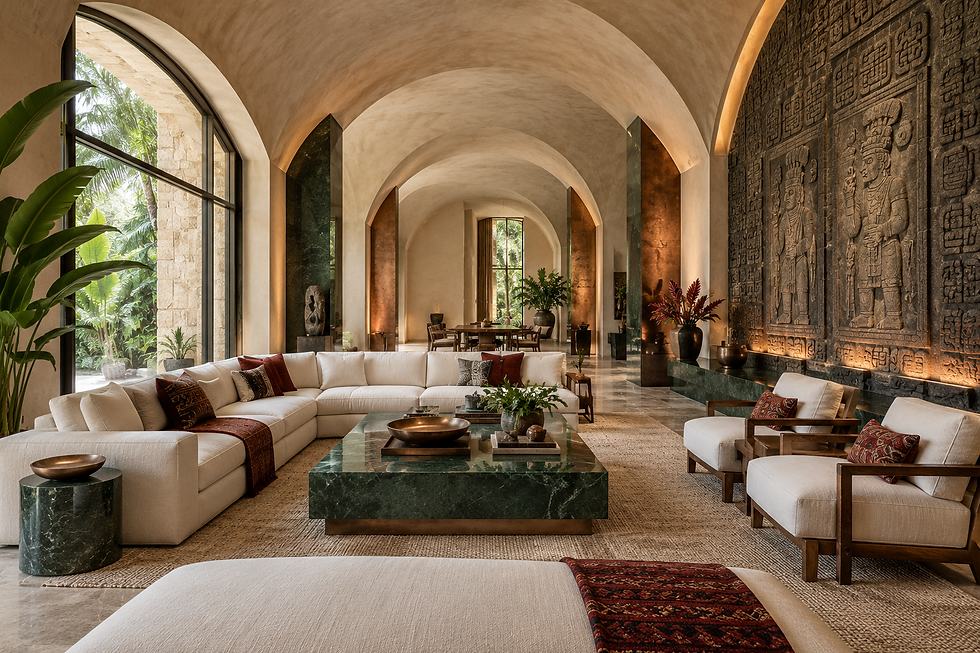
Comments